
Last updated November 24, 2026
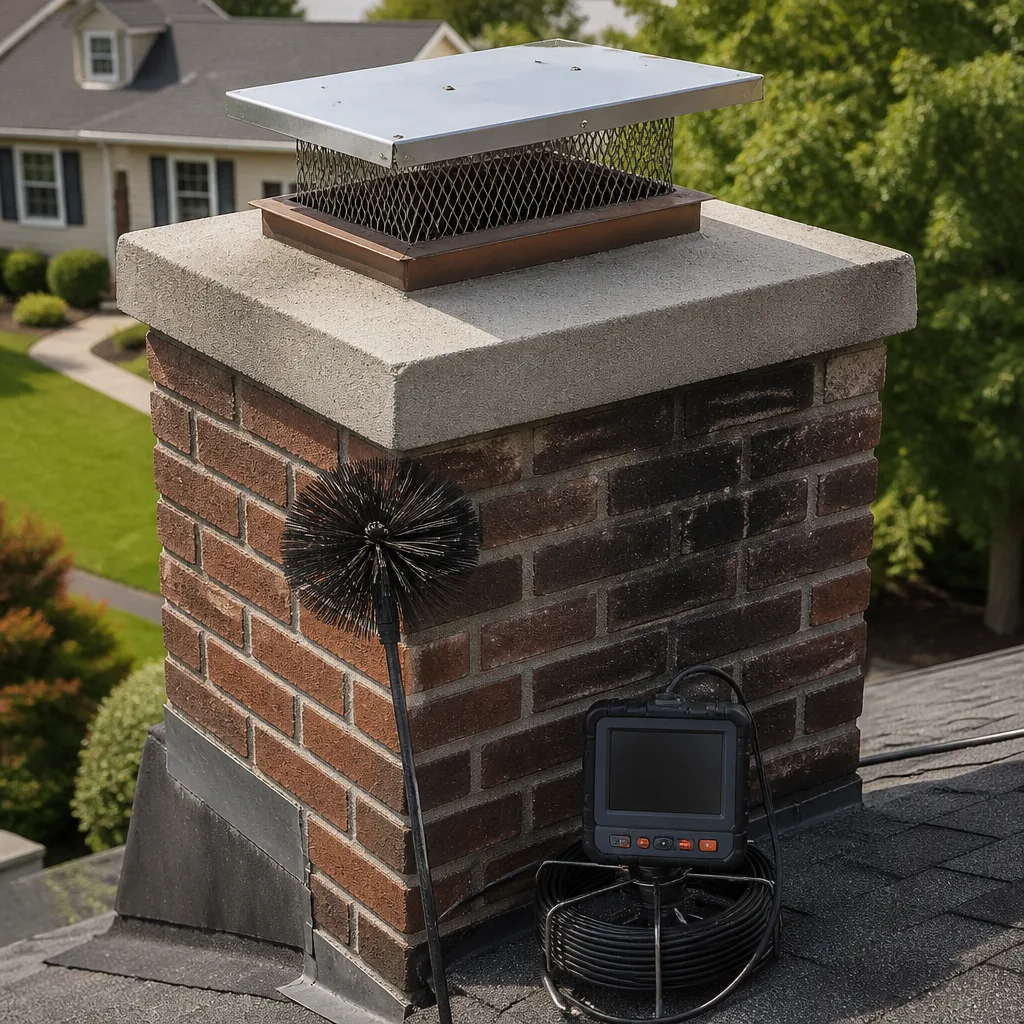 Sweep & inspection
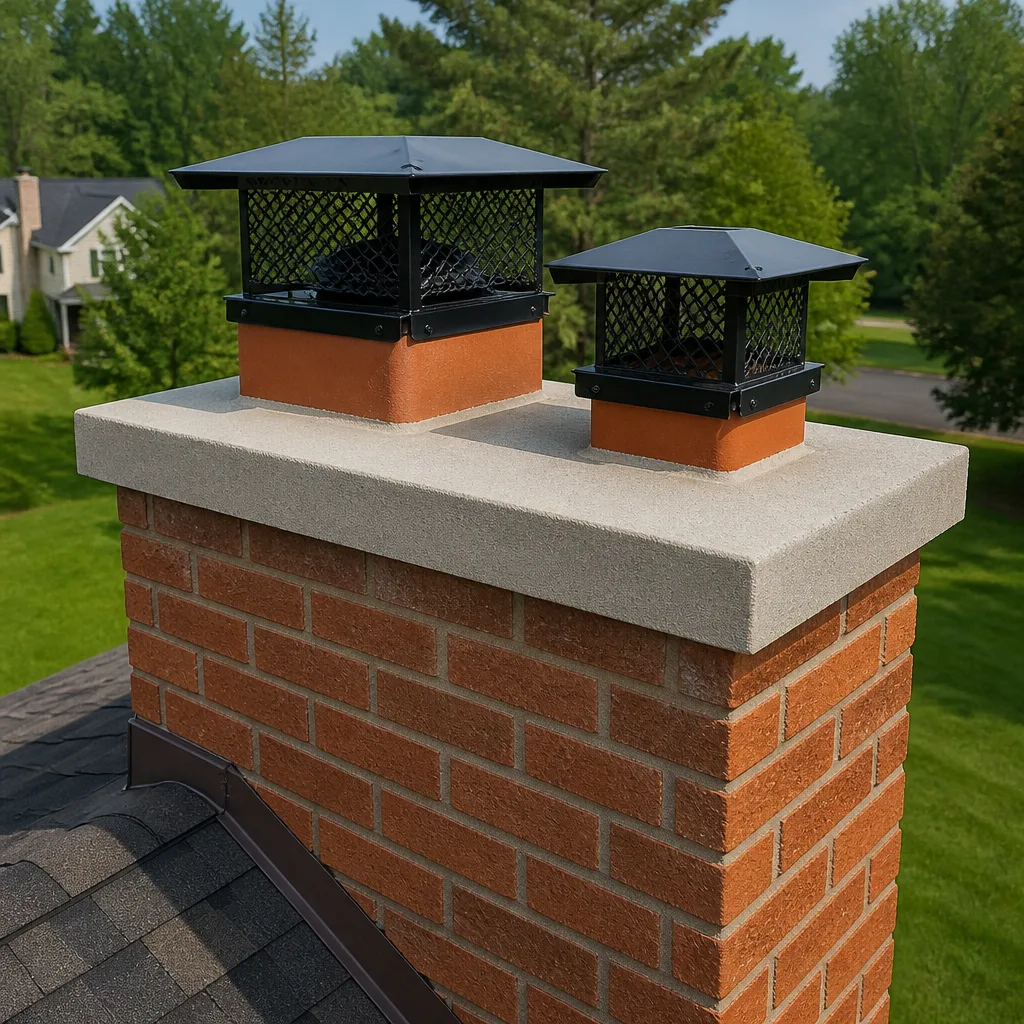 Caps & crowns
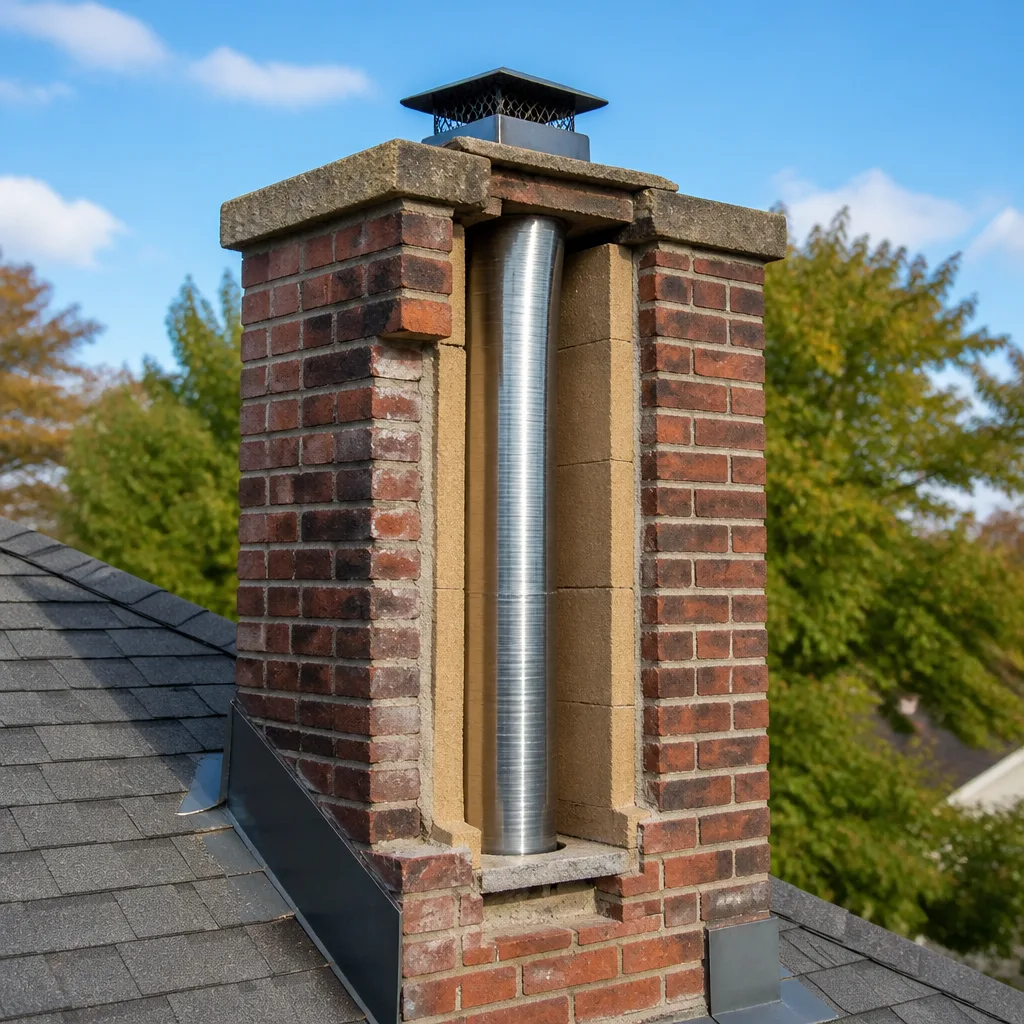 Flue relining
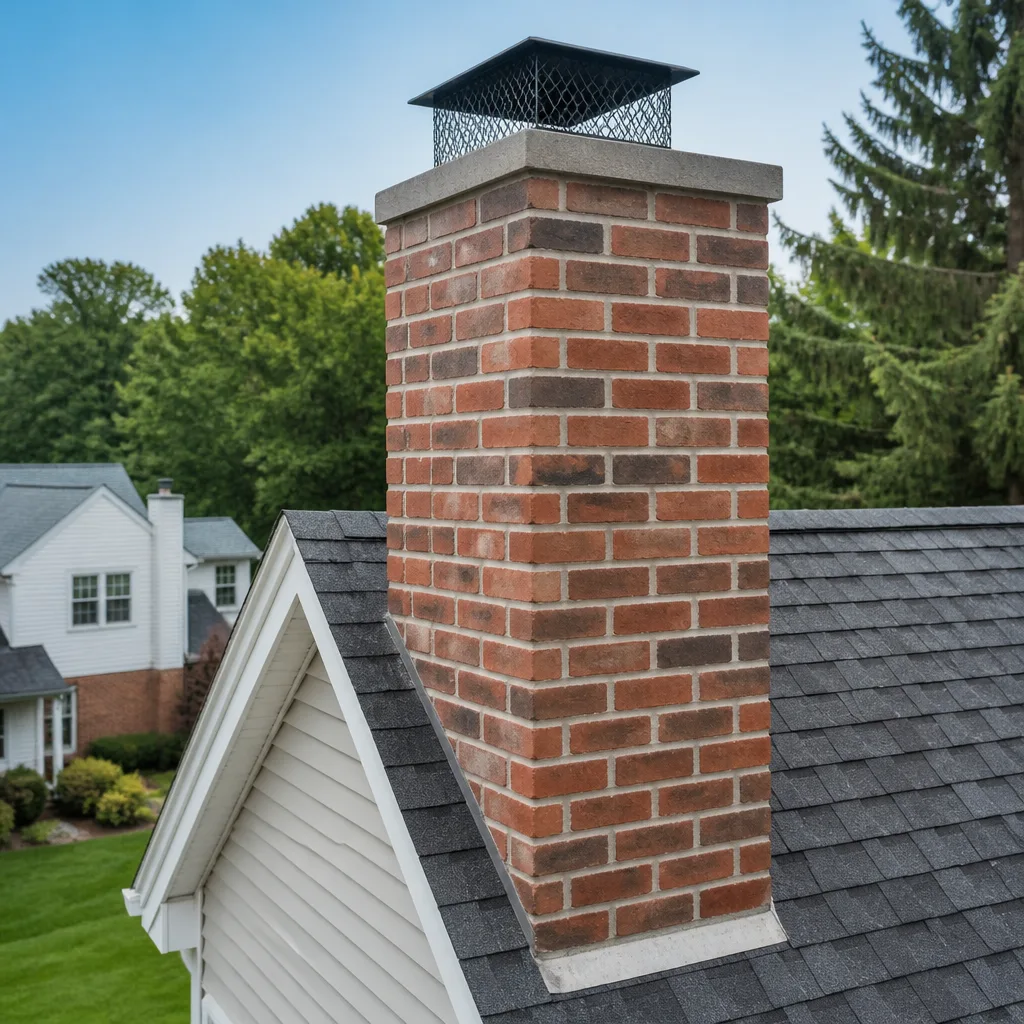 Masonry repair
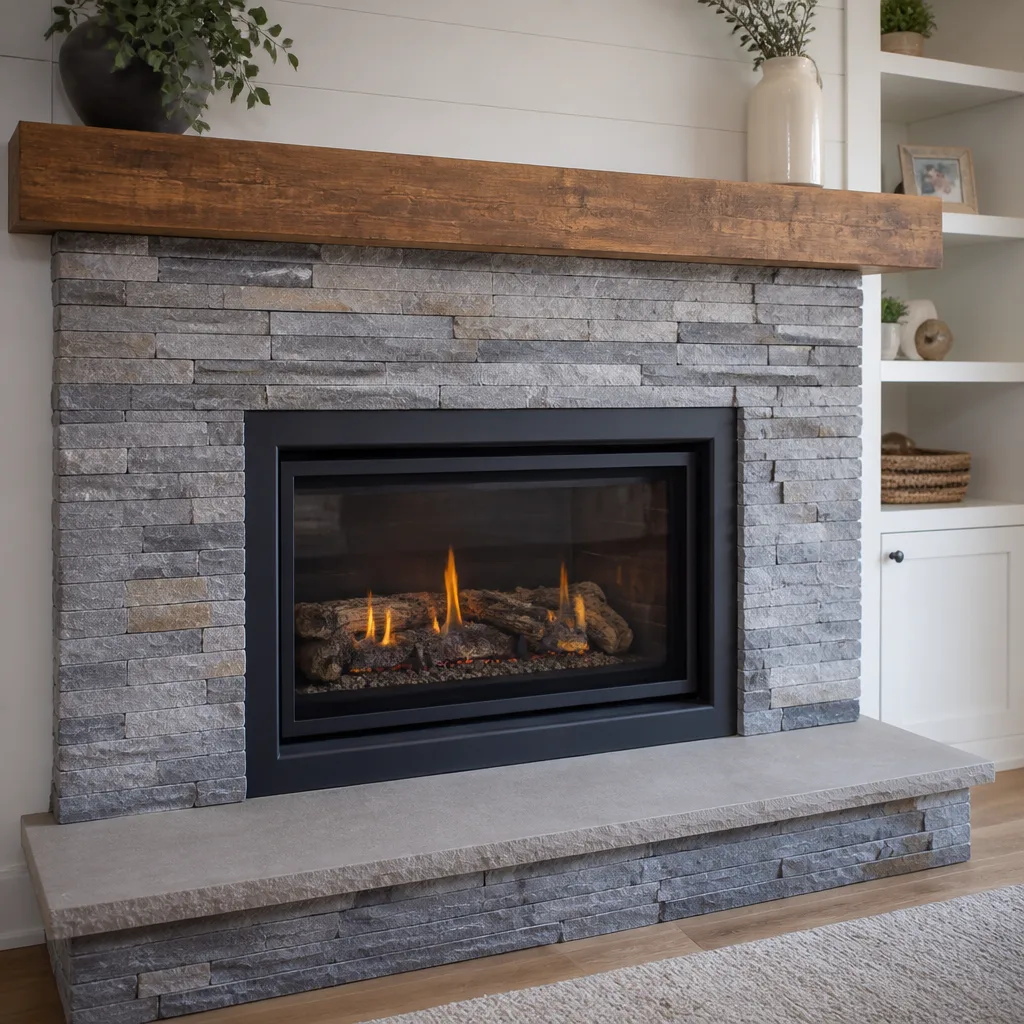 Gas fireplace service
Level 1 sweep and inspection to the NFPA 211 annual standard - flue, crown, cap, and flashing checked and photographed
Chimney sweep logs do not sweep chimneys. They loosen some creosote - which then falls where a brush and vacuum still have to collect it.
The Complete Guide to Chimney Cleaning in Northglenn
Most chimney cleaning advice you’ll find online was written for a house at sea level. Northglenn sits at roughly 5,470 feet, and that single fact changes how a wood fire behaves. At this elevation, air is thinner, wood burns hotter and faster, and the combustion cycle that leaves creosote behind runs on a different clock than it does in a low-altitude market. A chimney that stays clean for two seasons in Ohio can build a stubborn glaze in Northglenn faster than the homeowner expects.
This guide treats your chimney as a connected system, not a flue you run a brush through once a year. You’ll learn how elevation and Colorado’s dry, swinging temperatures affect creosote and masonry, what each level of inspection actually covers, why a full walk-through comes before any cleaning, and what a finished cleaning report should document. By the end you’ll know exactly what a real chimney cleaning in Northglenn involves and how to tell a thorough job from a quick one.
Quick Answer
Chimney cleaning in Northglenn means more than brushing the flue. It’s a full-system service that starts with a walk-through of the crown, cap, liner, smoke chamber, and firebox, moves into a Level 1, 2, or 3 inspection per NFPA 211 standards, and finishes with a cleaning sized to your fireplace type plus a written report. At 5,470 feet, thinner air and hotter combustion mean creosote can build faster than sea-level guidance suggests, so annual cleaning and inspection is the right baseline for a wood-burning fireplace in Northglenn.
Styles & brands we work with
- Sweep & inspection
- Caps & crowns
- Flue relining
- Masonry repair
- Gas fireplace service
Table of Contents
- How Northglenn’s Elevation Changes Chimney Cleaning
- Level 1, 2, and 3 Inspections: Which One Do You Need?
- Why a Full-System Walk-Through Comes Before Cleaning
- Tools and Rod Lengths for Northglenn Fireplaces
- Creosote Stages and What They Mean for Your Flue
- Hail, Freeze-Thaw, and Masonry Integrity in Northglenn
- What a Cleaning Report Should Document
- How Often to Clean and When to Book
How Northglenn’s Elevation Changes Chimney Cleaning
At 5,470 feet, there’s less oxygen in every cubic foot of air than at sea level. A wood fire still needs oxygen to burn cleanly, so combustion at elevation tends to run hotter and faster, and the draft through your flue behaves differently too. The practical result is that creosote formation doesn’t follow the same timeline the national guides describe.
Thinner air means a fire can flare hot and fast, then cool quickly as the fuel load drops and the draft pulls. Those swings are exactly what deposits creosote on the flue walls. Stage 1 creosote, the sooty fluff, is easy to brush. Stage 2, the crusty, flaky layer, takes more work. Stage 3, the glazed, tar-like coating, is the hard one, and it’s the stage that fuels a chimney fire. In our experience, Northglenn fireplaces reach the troublesome stages faster than homeowners expect, especially when the wood going in isn’t fully seasoned.
There’s a second effect most cleaning guides skip. Colorado’s dry air pulls moisture out of masonry over the summer, and the wide day-to-night temperature swings we get here work joints and mortar. A flue that’s clean but cracked is still a problem. That’s why chimney cleaning in Northglenn should always pair with inspection: the fire tells you about creosote, and the masonry tells you about everything else.
What this means for you is simple. Sea-level advice that says “clean every other year” doesn’t fit a Northglenn wood-burning fireplace. Annual cleaning and inspection is a safer baseline here, and it’s what we recommend to nearly every homeowner we work with.
Level 1, 2, and 3 Inspections: Which One Do You Need?
Chimney inspection levels are defined by NFPA 211, the national standard for chimneys, fireplaces, vents, and solid fuel appliances. The level isn’t about how much you pay; it’s about how much of the system the inspector can actually see and how deep the check needs to go. Knowing the difference helps you ask the right question when you call.
Level 1 Inspection
A Level 1 inspection covers readily accessible portions of the chimney and venting, without tools that reach into concealed spaces. It’s what you get with a routine annual cleaning when nothing has changed and the fireplace has been in steady use. If you’re staying in the same house with the same appliance and no symptoms, this is usually enough.
Level 2 Inspection
A Level 2 inspection goes further and includes accessible attic, crawlspace, and other areas where the chimney passes through, using a camera to look at the flue interior. It’s the right level after a change in the system, after a chimney fire or any event that may have damaged the flue, when a new appliance is installed, or during a home sale. In Northglenn, our hail and freeze-thaw seasons are a real reason to move up to Level 2. Hail driving against a crown or cap, followed by freeze-thaw cycling, can crack masonry and open joints where water gets in. A Level 1 visual check won’t catch a flue tile that’s cracked behind the wall.
Level 3 Inspection
A Level 3 inspection is the deepest and is used when a Level 1 or 2 turns up a hidden hazard that can’t be confirmed without opening something up. That can mean removing parts of the chimney or surrounding structure to see the problem directly. It’s not routine, but it’s the honest option when there’s a real question about concealed damage.
Which one applies after Northglenn’s weather?
If your chimney has been through a hailstorm or a hard freeze-thaw cycle and you’ve noticed a change, a Level 2 inspection with a camera is the sensible move. If nothing has changed and it’s a regular annual cleaning, Level 1 fits. An inspector should tell you which level they’re doing and why, in plain terms. Our chimney sweep service includes the inspection appropriate to your situation, and a written report that shows what was found.
Why a Full-System Walk-Through Comes Before Cleaning
Some sweeps clean first and look afterward. That order is backward. A full-system walk-through of the crown, cap, liner, smoke chamber, and firebox should come before any brush goes up the flue, for a practical reason: what you find in the walk-through decides how the cleaning is done and whether it should be done at all.
Here’s what that walk-through covers:
- Crown. The sloped concrete at the top of the chimney. Cracks here let water run behind the masonry. That’s the most overlooked source of long-term chimney failure we see.
- Cap. The fitting over the flue opening. A missing or damaged cap lets rain, snow, and animals straight in. A cap and crown service closes that gap instead of just cleaning what already exists.
- Liner. The flue tiles or liner that carry smoke and gas out. Cracks, gaps, and a flaking inner surface change the whole job.
- Smoke chamber. The sloped area above the damper. Soot builds here fast, and rough surfaces catch creosote.
- Firebox. The firebox and damper need a look too, since a cracked firebox is a separate repair from a dirty flue.
When the walk-through is done first, the cleaning can be sized correctly. A flue with cracked tiles gets a gentler approach than a sound one, and a problem in the smoke chamber may need a fireplace repair rather than just a sweep. We handle the sweep and the repair, no referrals, no second appointments. That’s the point of looking first. A cleaning report that says everything is fine without showing what was checked isn’t worth much, which is why we include camera inspection and a photo report with the work.
Tools and Rod Lengths for Northglenn Fireplaces
The tool that cleans a factory-built fireplace is not the tool that cleans a masonry fireplace, and rod length matters more than most homeowners realize. A rod that’s too short won’t reach the top of the flue, and a brush sized for the wrong flue either misses the walls or scuffs them. Here’s how Northglenn’s two most common configurations differ.
Masonry fireplaces
Older masonry fireplaces are the standard around Northglenn, and many sit in homes built decades ago with tile-lined flues. The inner surface is usually square or rectangular and wears with time, so a masonry brush needs to match the tile size and the rods need enough length to clear the full flue. A masonry flue that’s been in steady use also tends to have harder deposits, which calls for a brush that can work the corners without breaking tile.
Factory-built units
Factory-built fireplaces have a round or oval metal flue and a thinner liner. Cleaning calls for a poly brush, not a stiff wire one, and the rods have to reach without bending the liner. On these units, an inspection with a camera is the only reliable way to confirm the liner is still sound after cleaning. The materials matter here too: when a liner needs replacement or repair, we work with professional-trade brands like Olympia Chimney and DuraFlex, the same spec used by certified chimney professionals, not big-box substitutes.
How rod length is chosen
- Measure the flue from the firebox to the top of the chimney.
- Match the brush to the flue shape and size.
- Use rods long enough to reach the crown with room to work the full run.
- Check the liner condition with a camera before and after the clean.
Getting this right is what separates a real clean from a quick pass. If you’ve ever watched a sweep finish in fifteen minutes on a full-height masonry flue, you’ve probably seen a job that skipped steps.
Creosote Stages and What They Mean for Your Flue
Creosote is the tar-like residue left when wood smoke cools against the flue walls. It builds in three stages, and each one changes what cleaning involves and how urgent it is. At Northglenn’s elevation, the hotter, faster fire and quick cooling can push deposits toward the harder stages sooner than a sea-level guide would predict.
Stage 1: Sooty fluff
This is the light, dusty layer. A standard brush and a normal sweep take care of it. It’s what you want to see on an annual cleaning.
Stage 2: Crusty and flaky
Stage 2 creosote is harder, often flaky or crusted, and takes more scraping and brushing to remove. If you’re seeing this, the wood going into the fire may not be fully seasoned, or the fire is being run too cool. This is a common finding on Northglenn chimneys that burn greener wood.
Stage 3: Glazed and tar-like
Stage 3 is the thick, shiny, tar-like coating that bonds to the flue. It’s the stage most associated with chimney fire risk, and it’s hard to remove with a brush alone. Real Stage 3 removal can mean chemical treatment or more involved work, and it’s the stage no homeowner should ignore. We never tell you your flue is dangerous without showing you the camera evidence. If the coating can wait, we say so. If it can’t, you see why on the photo report before anything is booked.
One safety point matters above all here. A glazed flue, a cracked liner, and a hot fire are the combination that starts a chimney fire, and a chimney fire can spread beyond the flue. That’s why we flag Stage 3 as a genuine safety matter rather than a sales line, and it’s the reason to act now instead of next year.
Hail, Freeze-Thaw, and Masonry Integrity in Northglenn
The creosote is only half the story. Northglenn’s climate works on the masonry from the outside while your fire works on it from the inside. Hail hits the crown and cap, and freeze-thaw cycles open and close the joints in the brick. Over a few seasons, that combination is what turns a small crown crack into a water problem.
Here’s how the damage usually starts:
- Crown cracks. Hail and freeze-thaw crack the concrete at the top, and water runs down behind the brick.
- Missing or damaged cap. An open flue takes rain and snow straight down the liner.
- Spalling brick. Water inside the masonry freezes, expands, and flakes the brick face.
- Cracked liner. Freeze-thaw can crack flue tiles, and a cracked tile is a route for heat and gases into the structure.
This is why our chimney repair work covers the outside of the system, not just the flue. A new cap and a rebuilt crown close the loop on moisture intrusion rather than cleaning what already exists and leaving the door open. When a liner is cracked, HeatShield resurfacing can often repair it without a full liner replacement, which is a cost-saving option most sweep-only companies can’t offer. If a full replacement is the right answer, we install with Gelco and Copperfield components as specified for the job. Neither is the budget choice, and neither is the wrong one if the liner needs it. You get the evidence and the quote, and you decide.
What a Cleaning Report Should Document
A finished cleaning should leave you with more than a clean flue. It should leave you with a record of what was checked, what was found, and what the state of the system was at that moment. That paperwork has real value later.
Here’s what a solid cleaning report should cover:
- The inspection level performed and the areas checked.
- Camera images of the flue interior before and after cleaning.
- The condition of the crown, cap, liner, smoke chamber, and firebox.
- The creosote stage observed and where it was found.
- Any cracks, gaps, or damage noted, with photo support.
- What was cleaned and what, if anything, needs repair.
Why it matters: if there’s ever a chimney fire or water damage, the homeowner’s insurance claim depends on showing the condition of the chimney and when it was documented. A report with dates and photos tells that story. A report that says “all good” with no images doesn’t. Our inspection service is built for exactly this, since the same documentation works for an annual safety check, a real estate transaction, or verifying a repair after the fact. If you’re selling a home in Northglenn and a buyer’s sweep says “something looks wrong,” a documented inspection that shows what’s actually going on is the fastest way to settle the question.
How Often to Clean and When to Book
Annual cleaning and inspection is the baseline for a wood-burning fireplace in Northglenn, and the reason is the elevation effect covered earlier. Thinner air, hotter and faster combustion, and quick cooling all push creosote along faster than the sea-level advice assumes. A gas fireplace doesn’t build creosote the same way, but it still needs an annual inspection and cleaning to confirm the venting is clear and the appliance is drafting properly.
Booking before the burning season is the sensible move. The first cold snap is when everyone calls, and a booked sweep is easier to schedule than a rush one. You’ll also go into the season knowing your cap and crown are sound and your flue is clean. If you’re selling a home, book the inspection early enough that the report is in hand before closing. Call (866) 616-5448 to book a sweep. We answer 24/7, and fast dispatch runs from 7am to 7pm, Sunday through Friday.
Common Mistakes to Avoid
- Cleaning without inspecting first. A brush up a cracked flue can make the damage worse, and you’ll never know if the flue is sound without looking before you clean.
- Trusting a sweep that finishes too fast. A full-height masonry flue takes real time to clean correctly. A fifteen-minute pass is a red flag.
- Assuming elevation doesn’t matter. Sea-level “every other year” advice doesn’t fit Northglenn’s combustion behavior. Annual is the safer baseline here.
- Ignoring the crown and cap. Water intrusion through a cracked crown or missing cap is the most overlooked source of long-term chimney failure, and cleaning won’t fix it.
- Letting Stage 3 creosote sit. Glazed creosote is the stage most tied to chimney fire risk. Waiting a season is a real risk, not just an inconvenience.
- Skipping the report. Without dated photos and findings, you have no record for insurance or a home sale. Ask for the documentation before the sweep leaves.
- Using retail hardware-store parts for repairs. A repair done with big-box substitute materials may not hold. Professional-trade components like Famco are specified for a reason.
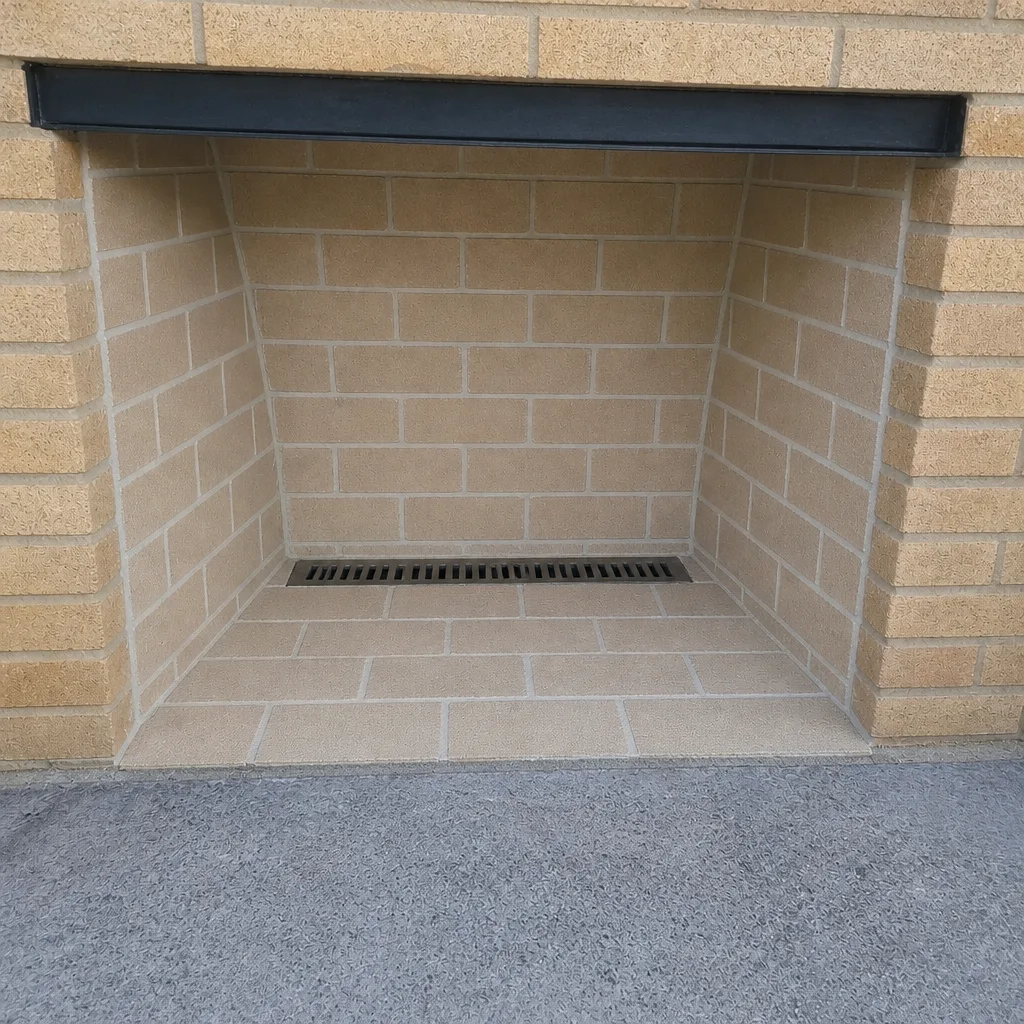
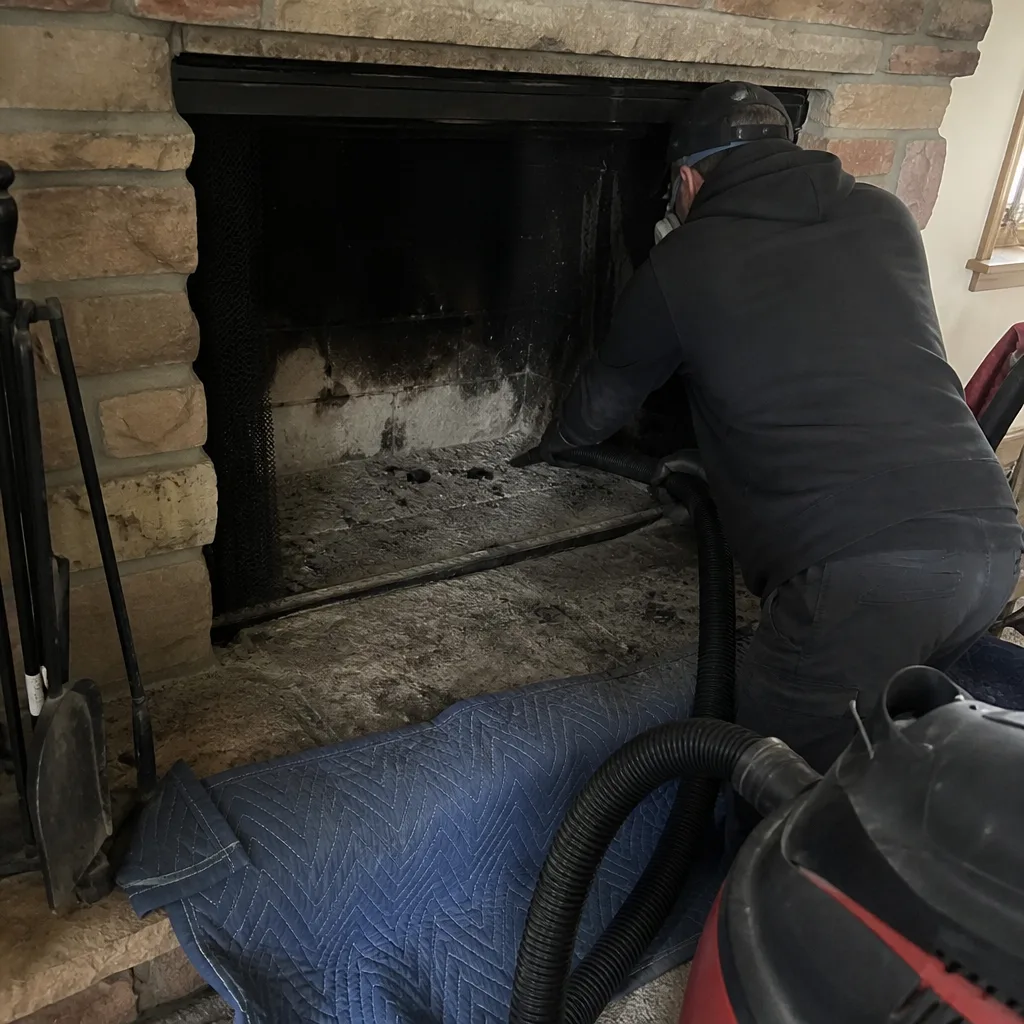
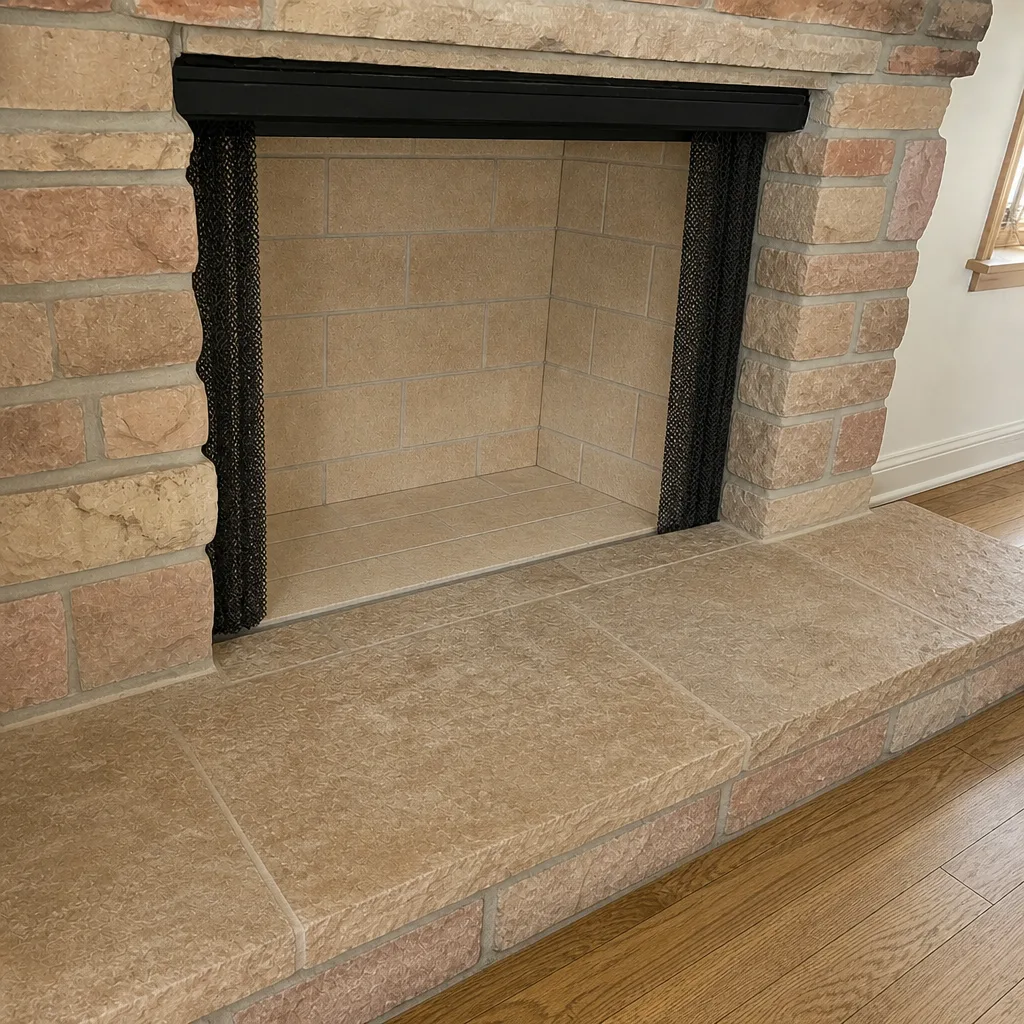
See the difference
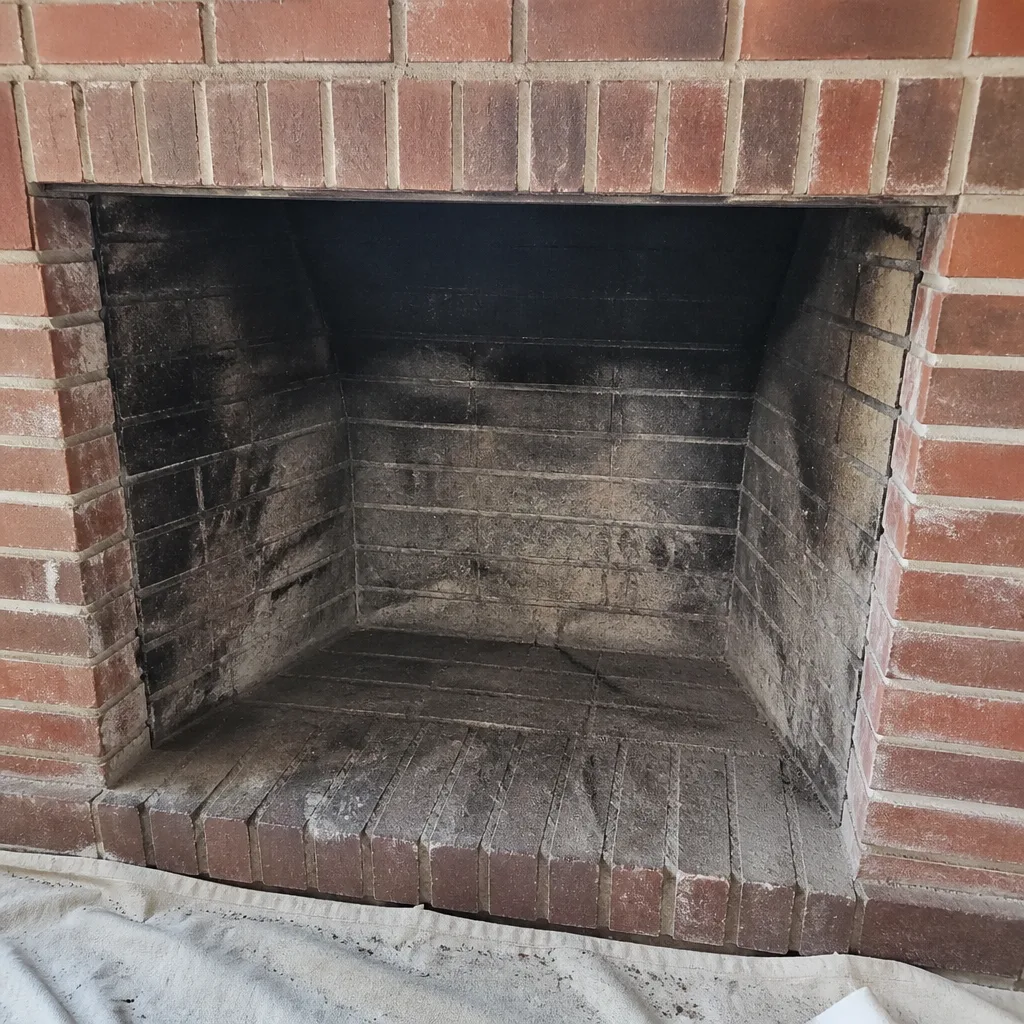 Before
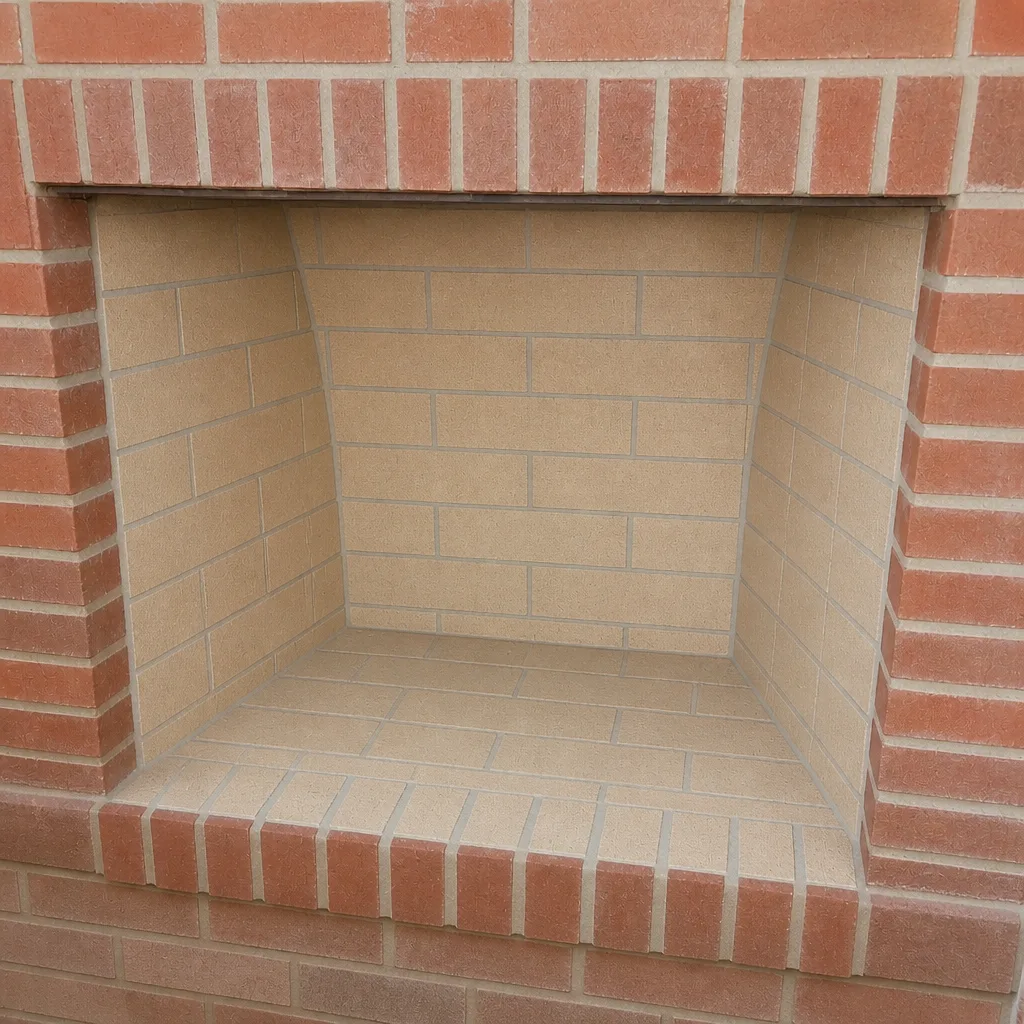 After
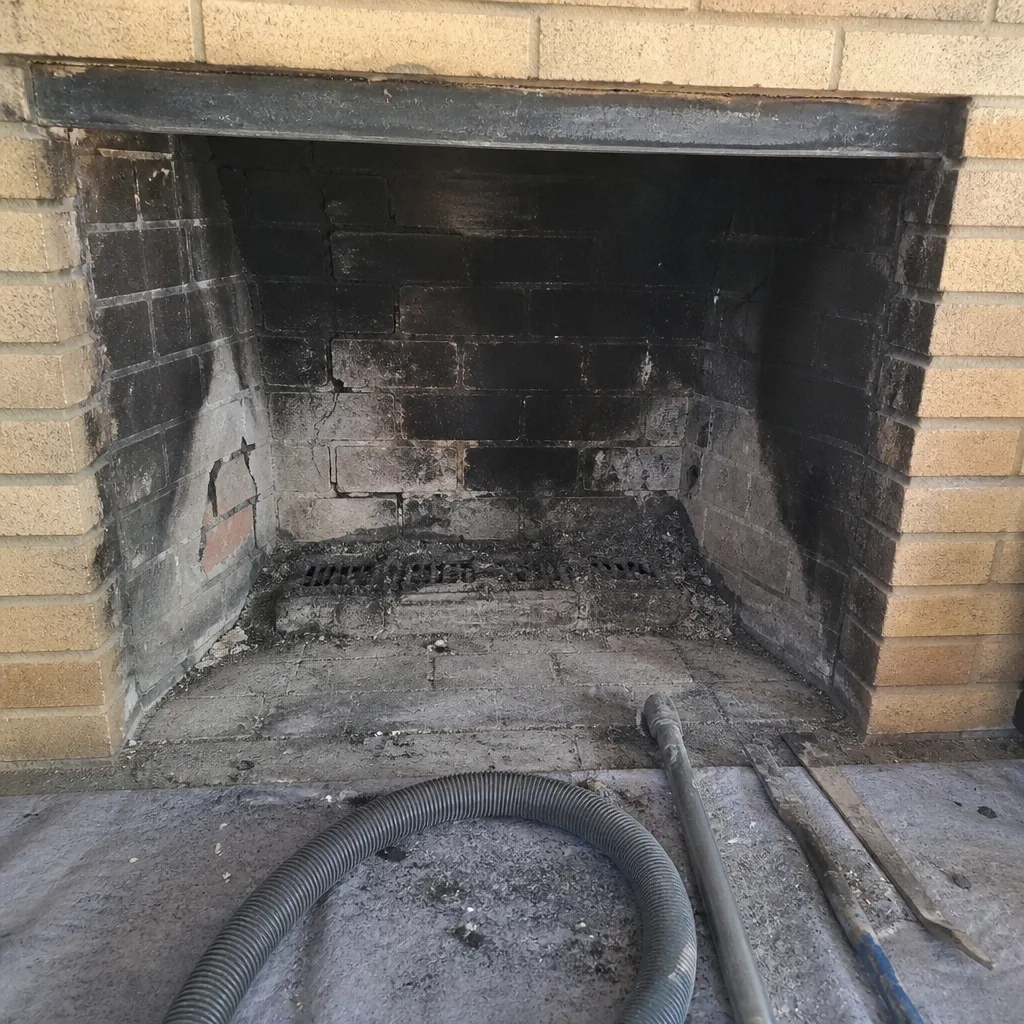 Before
 After
 Before
 After
When to Call a Professional
Call a professional when the job is more than a clean. That means a flue with glazed creosote, a liner that may be cracked, a crown that’s failing, or any sign of water getting into the masonry after a hail or freeze-thaw season. It also means a chimney that’s never been inspected, a home you’re buying or selling, or a previous sweep who said “something looks wrong” without showing you anything. These are all jobs for someone who can both find the problem and fix it.
Chimney Sweep Northglenn offers free estimates in Northglenn. Call (866) 616-5448. We answer 24/7, and fast dispatch runs from 7am to 7pm, Sunday through Friday. If a call comes in outside those hours, we book it into the next opening. We can work with your insurer and provide the documented report you need.
Frequently Asked Questions
Most chimney cleanings in Northglenn fall into a typical range of roughly $150 to $350, and the exact price depends on the fireplace type, flue height, and creosote stage found during the walk-through. Repair work, liner resurfacing, or cap and crown installation is quoted separately from the written estimate. Call (866) 616-5448 for an exact quote – estimates are free.
Not always. A cracked or deteriorating flue tile can often be repaired with HeatShield resurfacing instead of a full liner replacement, which saves real money. We don’t recommend a liner until the camera shows a reason, and we show you the picture before anything is booked. Call (866) 616-5448 to get the flue looked at.
Once a year for a wood-burning fireplace is the right baseline in Northglenn, because the elevation makes creosote build faster than at sea level. A gas fireplace still needs an annual inspection and cleaning to confirm the venting. Call (866) 616-5448 to book the sweep.
Creosote keeps building, and at Stage 3 it becomes the glazed coating most tied to chimney fire risk. Cracks in the liner and crown also worsen quietly, and a small water problem can become a masonry repair. Nothing is scarier than it needs to be, but skipping the sweep is a real risk, not just an inconvenience. Call (866) 616-5448 to get it scheduled.
At 5,470 feet, thinner air and hotter, faster combustion mean creosote can form on a different timeline than lower-altitude guidance assumes. That’s why annual cleaning and inspection is the safer baseline here rather than every other year. Call (866) 616-5448 to book a sweep.
Yes. We handle the sweep, inspection, fireplace repair, chimney repair, and cap and crown installation, so a problem found in the walk-through doesn’t mean a handoff to another contractor. That’s the Chimney Sweep Northglenn approach: one company for the full lifecycle of the chimney. Call (866) 616-5448 for a free estimate.
The Bottom Line
Chimney cleaning in Northglenn isn’t a brush up the flue and a wave goodbye. It’s a sequence of system checks that starts with the crown, cap, liner, smoke chamber, and firebox, uses the right inspection level for the season, and finishes with a cleaning matched to your fireplace type and a documented report. Elevation, dry air, and freeze-thaw shape how creosote and masonry behave here, and that’s why annual cleaning and inspection is the right baseline. If you’ve been told something looks wrong without seeing evidence, you deserve the photo report and the fix from one company. We handle the sweep and the repair, with professional-trade materials, and a straightforward written estimate that sets the final price.
Call (866) 616-5448 for a free estimate. We answer 24/7, and fast dispatch runs from 7am to 7pm, Sunday through Friday. Whether you need a routine chimney sweep, a documented inspection for a home sale, or repair work that closes the loop on moisture intrusion, we’ll show you what we find and quote the job before we start.
Written by the team at Chimney Sweep Northglenn.