
Last updated November 24, 2026
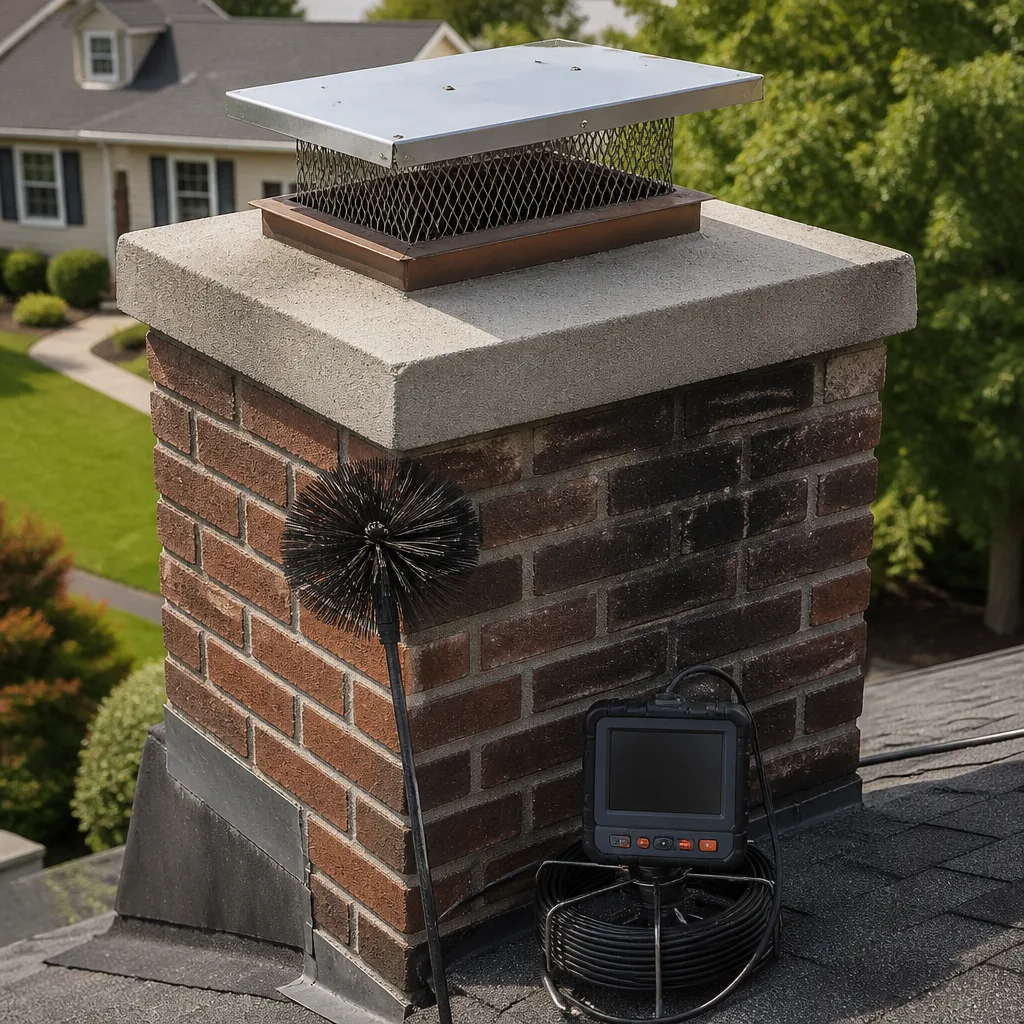 Sweep & inspection
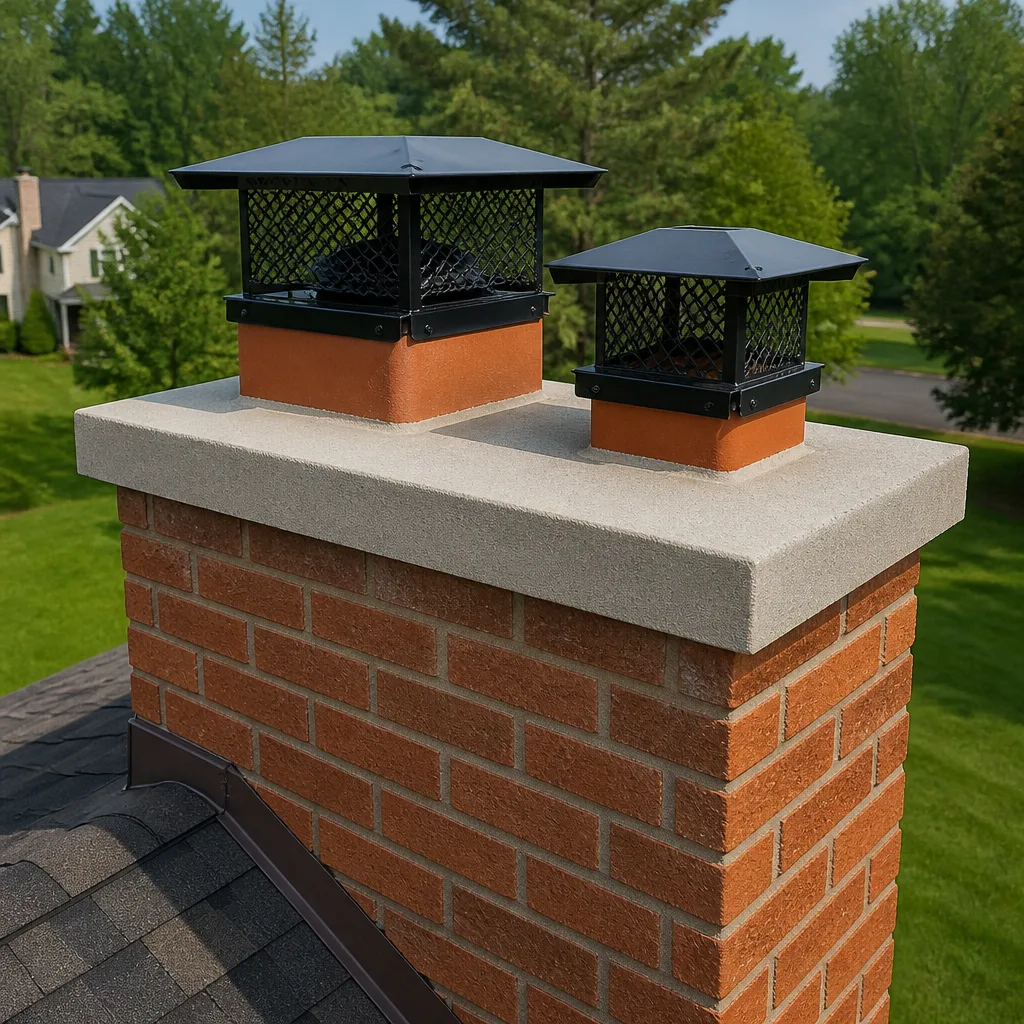 Caps & crowns
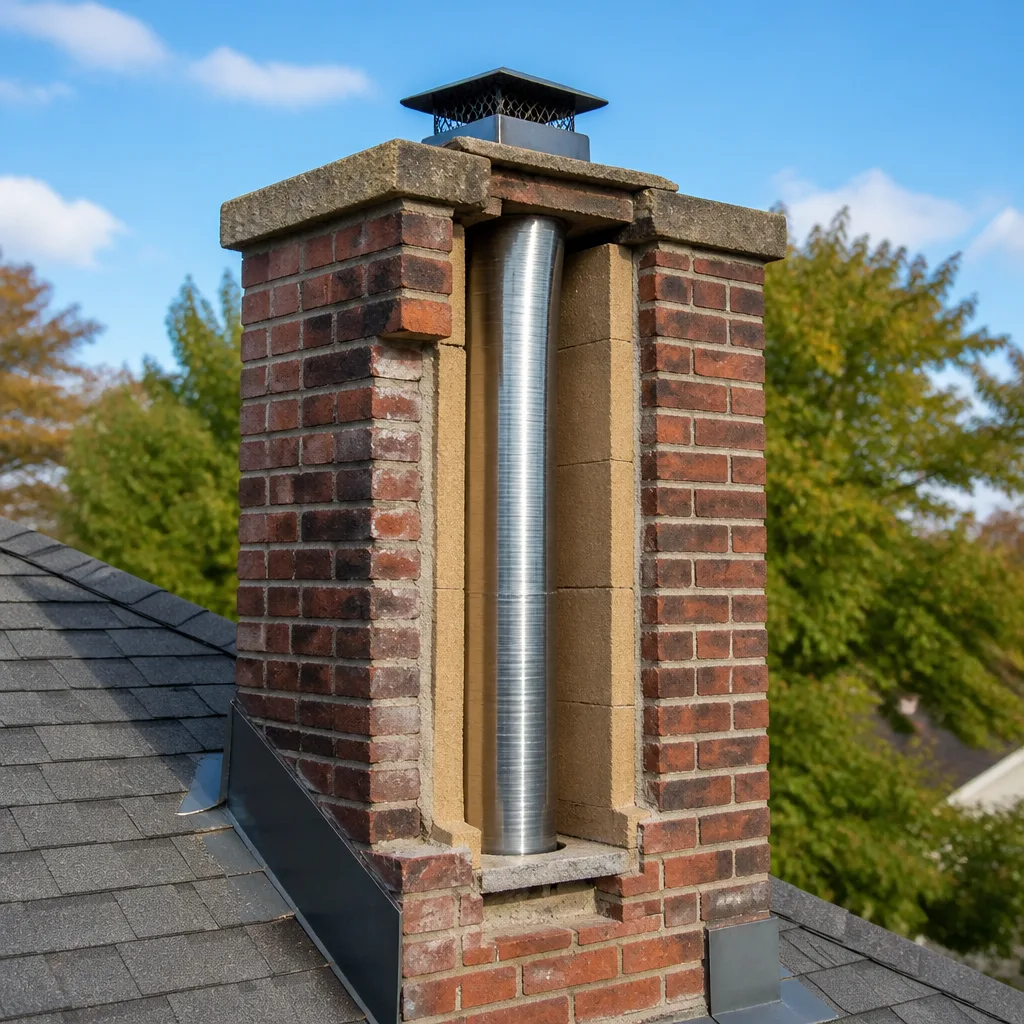 Flue relining
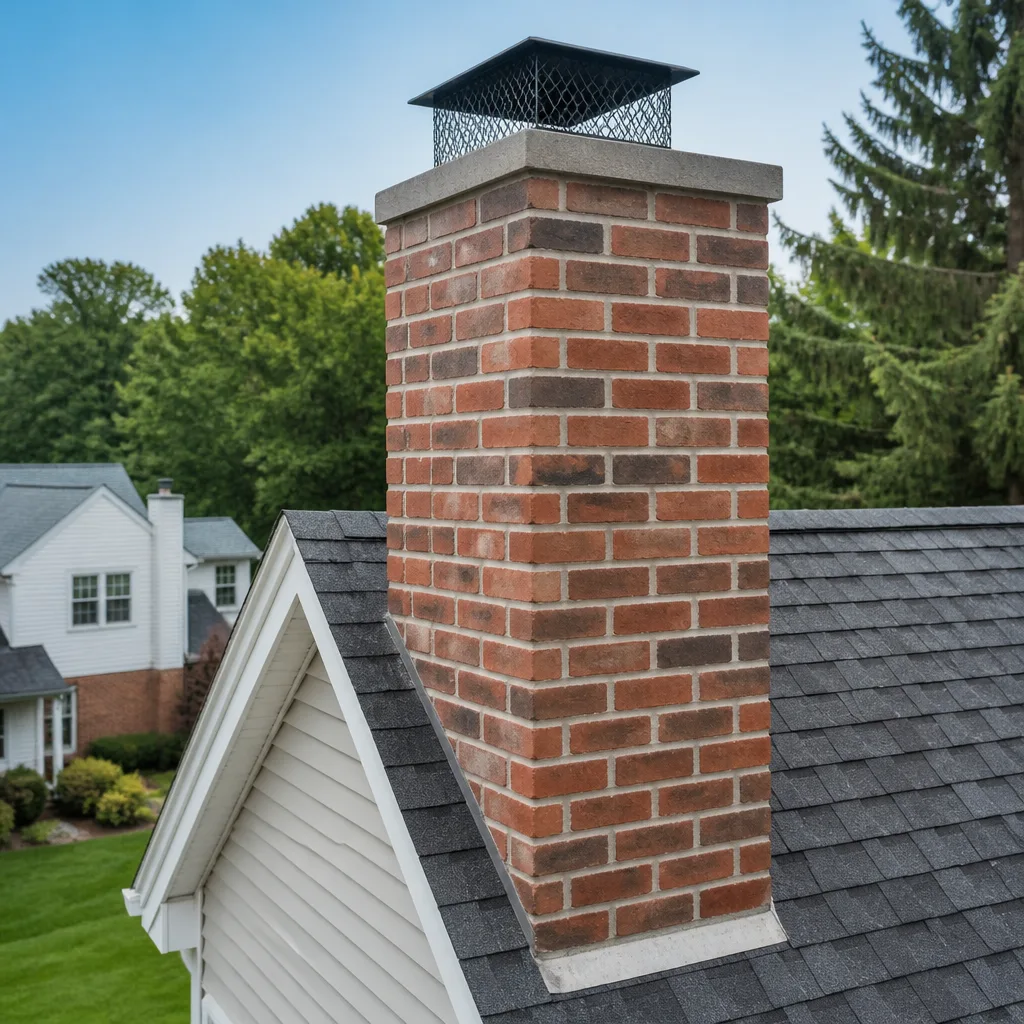 Masonry repair
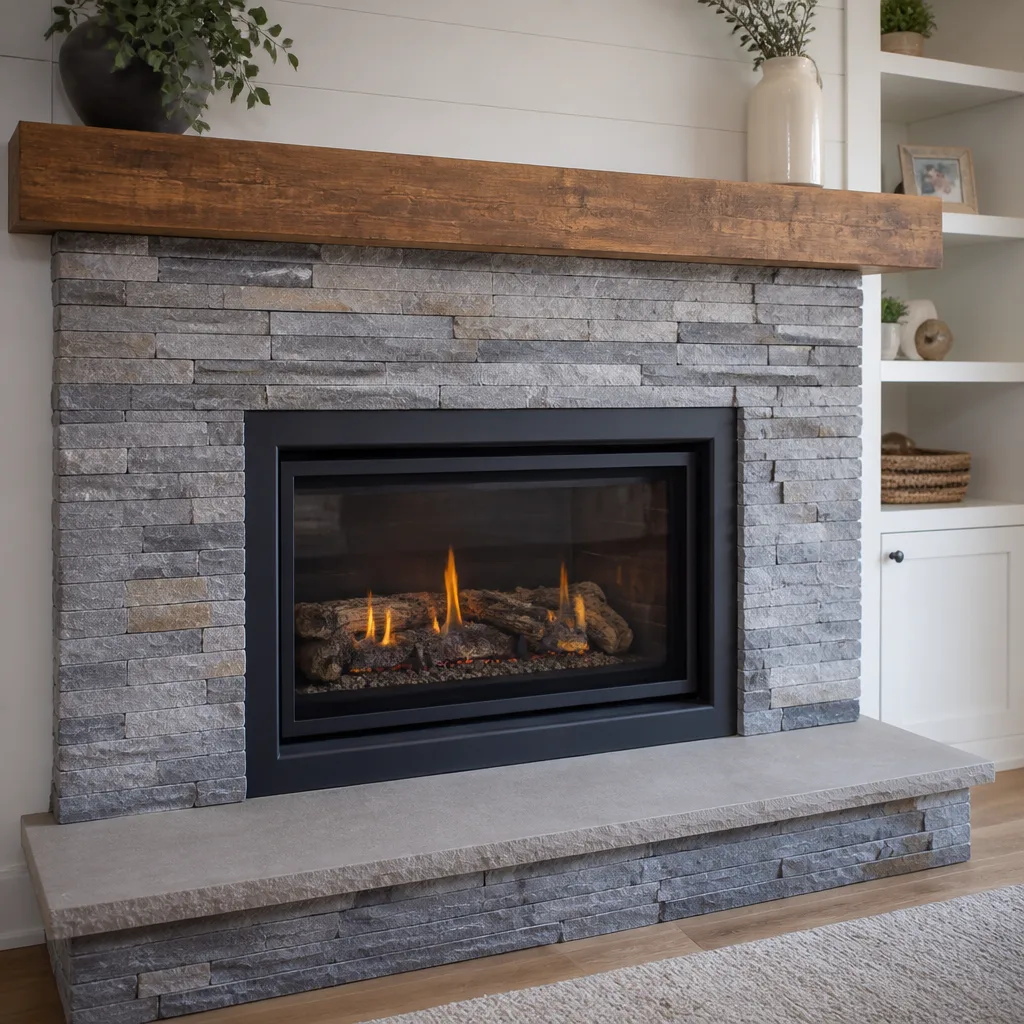 Gas fireplace service
Level 1 sweep and inspection to the NFPA 211 annual standard - flue, crown, cap, and flashing checked and photographed
Chimney sweep logs do not sweep chimneys. They loosen some creosote - which then falls where a brush and vacuum still have to collect it.
How to Hire a Chimney Cleaning Contractor in Northglenn: A Step-by-Step Guide
Most homeowners in Northglenn hire a chimney sweep the same way they hire a carpet cleaner: they search, they compare a couple of prices, and they book whoever answers first. That approach works fine for carpet. It fails badly for a chimney, because the person who cleans your flue may or may not be equipped to notice that a flue tile is cracked, that the crown has pulled away from the masonry, or that the liner was never sized correctly for the appliance it serves. The CSIA certification that separates a qualified technician from an uncertified one takes roughly 40 hours of study to earn; a Colorado business license takes less than a day to file. Those two facts are the reason this guide exists. By the end, you’ll know exactly what to ask before you book, what the credentials actually mean, and how to tell a full-system technician from a single-service sweep.
Quick Answer
To hire a chimney cleaning contractor in Northglenn, verify three things before booking: the technician holds a current CSIA certification (or a recognized equivalent), the business carries both general liability and the specific credential for your appliance type, and the contractor can perform repair work in-house rather than referring it out. Ask for the inspection report format up front and confirm that a written estimate follows the site visit. A contractor who answers those questions clearly on the first call is the one worth your money.
Styles & brands we work with
- Sweep & inspection
- Caps & crowns
- Flue relining
- Masonry repair
- Gas fireplace service
Table of Contents
- Why Northglenn Chimneys Need More Than a Cleaning
- The Five Questions to Ask Before You Book
- CSIA, NFI, and CCCDI: What Each Credential Actually Certifies
- Red Flags in Quotes and Estimates
- Colorado’s 2021 International Fire Code and Your Inspection Documentation
- What a Professional Should Bring On-Site
- Inspection vs. Sweep: What You’re Actually Buying
- When to Call a Professional
Why Northglenn Chimneys Need More Than a Cleaning
Northglenn sits on the Front Range north of Denver, which means it gets the specific combination of cold winters, freeze-thaw cycling, and dry summer heat that wears down masonry faster than most homeowners expect. Chimneys here take a real workout. A wood-burning fireplace may run hard from November through February, go unused for months, then get pressed back into service in the fall without a sweep. That cycle is hard on flue tiles and mortar joints, and it’s the reason a cleaning-only visit can miss something important.
The housing stock across Northglenn, from the older ranch homes near Kipling Street to the newer builds off 120th Avenue, also matters. Many of these homes have masonry chimneys built to mid-century and late-century standards, with flue tiles that may now have hairline cracks from years of thermal cycling. A sweep removes creosote and sends a brush up the flue. A technician notices the crack, photographs it, and tells you what it means. Those are different jobs, and only one of them protects your home.
Creosote is the reason chimney cleaning is a maintenance task, not a cosmetic one. Wood smoke leaves deposits on the flue wall, and those deposits come in stages from light soot to hardened, glazed creosote that burns readily at high temperature. A chimney fire needs fuel and air; creosote is the fuel. The sweeping removes it before it builds to a stage a brush can’t manage. You don’t need a study to understand why that matters, and you don’t need a scare tactic either, just a sweep on a reasonable schedule and an honest look at what the flue is doing.
This is also where our service model matters. We handle the sweep and the repair, no referrals, no second appointments. Our technicians have up to 8 years of experience with the full chimney system, and when they find something, they can fix it with professional-trade materials rather than handing you a business card. If you want to know what a chimney sweep in Northglenn actually involves at our level, that’s a good place to start.
The Five Questions to Ask Before You Book
These five questions will separate a full-system technician from a single-service sweep faster than any online review. Ask them in the first phone call, before you commit to a date. A qualified contractor answers all five without hesitation.
- What does the inspection cover, and will I get it in writing? A real inspection looks at the firebox, damper, smoke chamber, flue, and the exterior from the crown to the foundation. The report should describe conditions in plain language, and photos should be included where relevant.
- Can you do the repair work yourself, or will you refer it out? If the answer is referral, you’re hiring a cleaner, not a chimney contractor. You’ll pay twice and lose continuity on the diagnosis.
- Are you CSIA certified, and can you tell me your certification is current? CSIA is the baseline. Ask when it was earned and whether it’s active.
- What’s your experience with my specific appliance? A wood stove, a masonry fireplace, a gas insert, and a factory-built fireplace are different systems with different inspection standards and liner requirements. A technician who treats them the same is not equipped for the job.
- Will I get a written estimate before any repair work begins? The answer should be yes, with the price set per job and the estimate given before any work starts. Free estimates are standard, and a written estimate protects both sides.
In our experience working across Northglenn, the question that flushes out a commodity operation fastest is number two. A contractor who can only clean will hedge, offer to “take a look and let you know,” and then hand you a phone number for a repair company. That’s not a knock on the cleaner; it’s just not the person you want assessing your chimney. The right contractor is the one who does both.
CSIA, NFI, and CCCDI: What Each Credential Actually Certifies
Three credentials come up repeatedly when homeowners in Northglenn research chimney contractors, and they mean different things. Understanding which one matters for your chimney type will help you ask better questions and avoid paying for work by someone who isn’t qualified to evaluate your system.
CSIA (Chimney Safety Institute of America)
CSIA certification is the industry-wide baseline for chimney sweeps and inspectors. It requires passing a proctored exam and committing to a code of ethics, and it covers the full range of chimney and venting systems, including inspection procedures and safety. If a contractor has only one credential, CSIA is the one to look for. Every reputable sweep should be able to produce it.
NFI (National Fireplace Institute)
NFI certification is more specific. It comes in separate tracks for wood-burning appliances, gas appliances, and pellet appliances, and it certifies that the holder has demonstrated competence on that specific fuel type. If your home has a gas insert or a gas log set, ask whether the technician holds the NFI gas certification, not just CSIA. The inspection standards for gas venting are distinct from wood, and someone certified only in wood may not catch gas-specific venting issues.
CCCDI (Certified Chimney and Carbon Monoxide Inspector)
CCCDI certification focuses on inspection and carbon monoxide safety, particularly for appliances that vent combustion byproducts into living spaces. It’s useful if you’re dealing with gas appliances, a hybrid system, or a history of drafting problems. It’s not required for a basic sweep, but if your situation is complex, it’s worth asking about.
Here’s the practical read: CSIA is the floor, NFI matters if your appliance is gas or pellet, and CCCDI matters if you have drafting concerns or gas venting. Ask which ones the technician holds and match them to your system. A wood-burning fireplace in a Northglenn ranch home needs CSIA and wood-specific experience. A gas insert needs the gas certification. Neither needs someone with all three, but the right one for your home needs the right one for your system.
We install and repair with professional-trade materials: Olympia Chimney, DuraFlex, Famco, and Copperfield are the brands used by certified chimney professionals rather than retail hardware-store substitutes. In our experience, when the diagnosis is accurate and the materials are professional-grade, the repair holds. When either one is missing, you end up doing the job twice.
Red Flags in Quotes and Estimates
A price given over the phone, before anyone has looked at the chimney or asked what appliance you burn, is not an estimate. It’s a guess, and it signals a commodity operation. The right contractor gathers basic information first: what you burn, how often, what kind of chimney, how old the liner is, whether there’s been any prior work. Only then does a price make sense.
Watch for these signals on the first call or in the written quote:
- A flat price quoted before a site inspection. Sweep pricing can be a range, but the final number depends on what the technician finds. A contractor who won’t look first isn’t diagnosing anything.
- No discussion of your appliance type. A wood stove and a gas fireplace need different inspection procedures and different liner specifications. If the conversation never covers what you burn, the quote is generic.
- A recommendation for a full liner replacement before any inspection has been documented. Liner replacement is sometimes necessary, but the diagnosis has to come first and has to be something you can verify. A cracked flue tile does not always mean a full reline is the only option; HeatShield liner repair can resurface a deteriorating flue in some cases, which is a different scope at a different price.
- No written estimate. If the contractor wants to start work without putting the scope and price in writing, walk away. The written estimate is the contract.
- No clear answer on whether they do repair work. A sweep who doesn’t repair will still find problems. What they can’t do is fix them.
- Pressure to book immediately or to lock in a price today. Chimney maintenance is not an emergency sale. A legitimate contractor is comfortable letting you think about it.
- A recommendation you can’t verify. If the contractor recommends work and won’t show you the photo, the video, or the specific flue condition that justifies it, you have no way to know whether the work is necessary. A good inspection creates evidence you can see for yourself.
In Northglenn, where many homes have original masonry chimneys from the mid-to-late 20th century, the most common upsell is a full reline on the basis of “cracked tiles.” Sometimes that’s the right call. Sometimes HeatShield resurfacing handles it. The difference is diagnosis, and the difference in cost is significant. Ask the contractor to show you what they’re seeing before you agree to anything.
Colorado’s 2021 International Fire Code and Your Inspection Documentation
Colorado adopted the 2021 International Fire Code, and that adoption matters to homeowners in Northglenn for a practical reason: it sets the standard for what chimney and venting inspections should document. The code doesn’t require every homeowner to hire a CSIA-certified inspector, but it does establish the technical baseline that a proper inspection is expected to meet. A contractor who can’t explain what standard they inspect to is a contractor you should question.
The practical takeaway: ask what inspection standard the contractor uses. A professional will reference the relevant code standards or the CSIA inspection levels (Level 1, Level 2, or Level 3) and will match the level of inspection to your situation. A routine annual cleaning calls for a Level 1 inspection. A real estate transaction, a change in appliance, or a chimney that’s had a fire typically calls for a Level 2, which includes a video scan of the flue interior. A Level 3 is a diagnostic inspection, often involving opening a wall or accessing concealed areas, and it comes up when there’s a known problem that can’t be assessed from the flue.
Why does the documentation matter? Because in a real estate transaction, the inspection report is a negotiable document. In Northglenn, where home sales are common and the housing stock includes a lot of older masonry chimneys, the difference between a one-page cleaning receipt and a documented Level 2 inspection can affect the sale or the price. The same is true for insurance. If you’ve had a chimney fire and you need to demonstrate that the system was inspected and brought to standard afterward, the report is your evidence.
Ask the contractor to describe the report before the visit. If they can’t, or if they say “we don’t really do reports,” consider that a signal that the operation is built around cleaning, not assessment.
What a Professional Should Bring On-Site
A contractor who arrives with only a brush and a shop vacuum isn’t equipped for a full assessment. That setup is fine for a simple flue cleaning; it’s not fine for evaluating a chimney system. The equipment on the truck tells you what the contractor can actually do.
A professional setup for a Northglenn job should include:
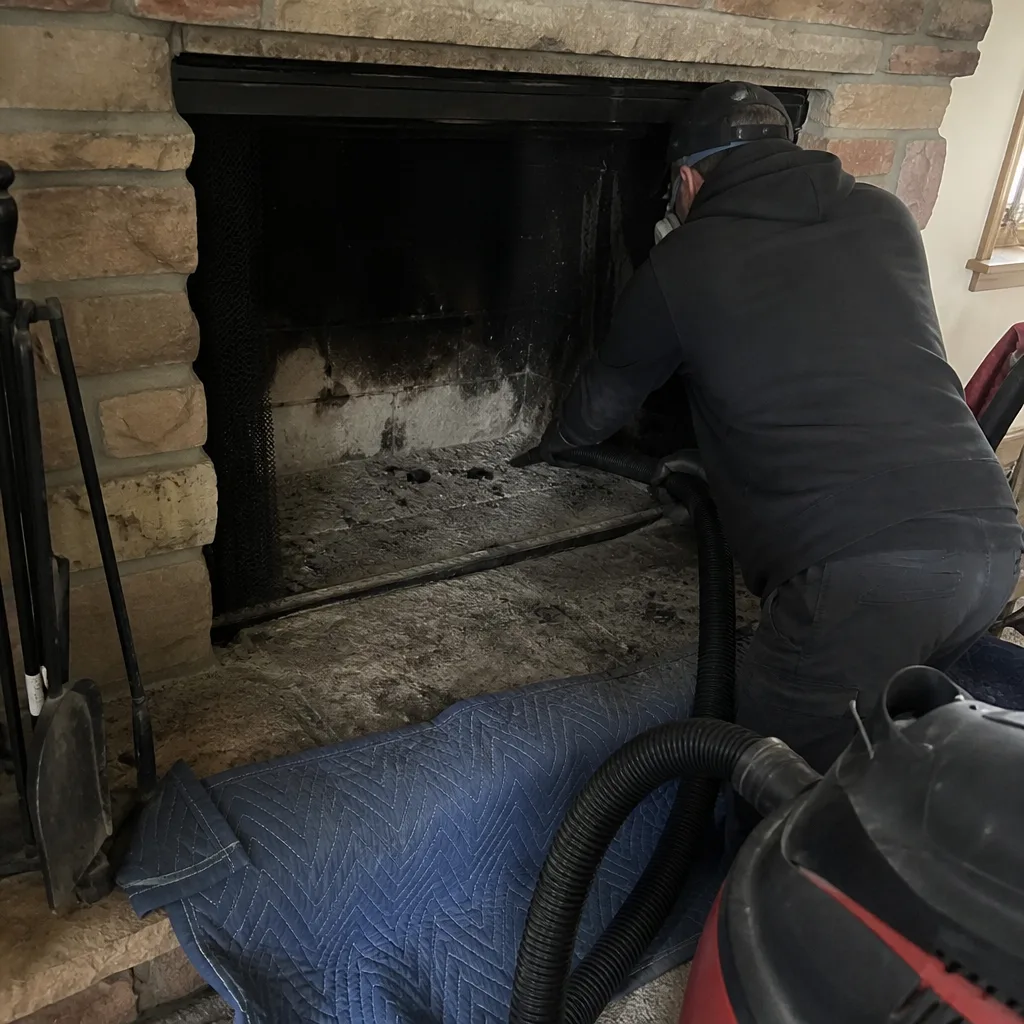
- Drop cloths and a HEPA vacuum. Dust control is part of the job. A contractor who doesn’t protect your floors and furniture isn’t treating your home with care.
- A chimney brush matched to the flue size and shape. A round brush in a square flue leaves corners uncleaned. The right brush is sized and shaped to the flue.
- A video inspection camera. A camera scan lets the technician see the full length of the flue, including areas a brush can’t reach or a flashlight can’t illuminate. A visual inspection without a camera is limited by line of sight.
- A combustion analyzer or draft gauge. These tools measure how the appliance is venting. If the draft is poor, the chimney isn’t doing its job, and a sweep alone won’t fix that.
- Ladders and roof access equipment. The exterior of the chimney, including the crown and cap, needs to be inspected from the roof. A contractor who won’t go up is only seeing half the system.
- Materials for minor repairs. Not every visit needs a repair, but the contractor should be prepared to address a loose cap, a missing damper clamp, or a cracked crown joint without scheduling a second trip.
- Written report materials. Photos, a checklist, and a written recommendation are part of the equipment, if you think about it as the tools that produce the deliverable.
You can ask on the phone what the technician will bring. A straightforward contractor will answer. A commodity operation often won’t, because the answer is “a brush and a vacuum.”
Inspection vs. Sweep: What You’re Actually Buying
The confusion between a sweep and an inspection is the single most common reason homeowners in Northglenn end up paying for work they didn’t need, or missing work they did. The two are related but distinct services, and a professional chimney contractor performs both, often on the same visit.
A sweep is a cleaning. The technician removes creosote, soot, and debris from the flue, firebox, and smoke chamber. The goal is to reduce fire risk and restore draft. A sweep is maintenance, and it should happen on a schedule.
An inspection is an assessment. The technician evaluates the condition of the chimney system, including the firebox, damper, smoke chamber, flue, crown, cap, and exterior masonry, and reports on what they find. An inspection may result in no recommendations, a minor repair, or a larger scope. It may also result in the conclusion that the chimney can safely wait until next year, which is a legitimate outcome and one you should hear when it’s true.
Here’s the point most homeowners miss: an inspection without a follow-up repair capability is a diagnosis with no treatment plan. And a cleaning without an inspection is a maintenance task that can miss a structural problem. The right contractor does both, and the right first appointment includes both. When you book a chimney repair contractor who also does cleaning, you get the assessment and the maintenance in one visit, and you get a written record of the condition of your chimney for the year.
If your fireplace or firebox needs work beyond the flue, that’s a separate scope and a separate specialty. We handle fireplace repair as part of the same full-system approach, so the diagnosis and the repair don’t get split across two companies.
Common Mistakes to Avoid
- Booking on price alone. The cheapest sweep in Northglenn is often the one who can’t afford a camera, a combustion analyzer, or liability coverage. The savings disappear the moment a problem is missed.
- Assuming the sweep will also inspect. A cleaning and an inspection are different services with different scopes. Ask for both explicitly, and confirm the report is included.
- Accepting a phone quote as a final price. A price given without a site visit or a discussion of your appliance type is a placeholder, not an estimate. Expect a written estimate after the inspection.
- Letting a contractor talk you into a full reline without evidence. A cracked tile is a finding, not a verdict. HeatShield resurfacing can sometimes address liner deterioration without a full replacement, and a contractor who doesn’t mention that option may not be equipped to do it.
- Ignoring the exterior. The crown and cap are where most long-term moisture damage starts. A sweep who only cleans the inside never sees the part of the chimney that’s failing from the weather.
- Skipping the annual sweep because the fireplace “still works.” A chimney that drafts fine can still be carrying a creosote load that’s building toward a fire. The annual sweep is the check, not the repair.
- Hiring based on a single review. A five-star review for a cleaning doesn’t tell you anything about repair capability. Look for documentation of the inspection and the repair scope, and ask the contractor to describe their process.
When to Call a Professional
Call a chimney contractor in Northglenn when any of these apply: you’ve burned wood through a full season without a sweep, you’ve noticed a strong creosote smell or a draft that pulls smoke into the room, you’ve had a chimney fire (even a small one), you’re buying or selling a home with a fireplace, or you’ve been told by a previous sweep that “something looks wrong” without a clear fix. Also call if it’s been more than a year since the last inspection, regardless of how often you burn, because the inspection is the part that catches what the cleaning can’t. If your home has a gas appliance venting through the chimney, the annual inspection is a carbon monoxide safety check as much as a chimney check. We answer the phone and can tell you on the call what the visit will include. Chimney Sweep Northglenn offers free estimates in Northglenn, call (866) 616-5448. We answer 24/7. Fast dispatch from 7am to 7pm, Sunday through Friday.
Frequently Asked Questions
Chimney sweep pricing in Northglenn typically falls in a range that depends on the appliance type, the flue configuration, and the condition of the chimney, and the final price is set by the written estimate after the inspection. A simple cleaning on an accessible flue sits at the lower end; a chimney with heavy creosote, a difficult flue, or additional inspection work sits higher. Call (866) 616-5448 for an exact quote. Estimates are free.
Yes, an annual inspection is the standard recommendation for any chimney in active use, even if you only burn occasionally. The inspection catches changes in the flue, crown, cap, and joints that a cleaning won’t reveal, and it gives you a written record of the chimney’s condition. If you skip a year, you lose the comparison point that makes a slow problem visible. Call (866) 616-5448 to book an inspection and estimate.
CSIA certifies the technician on chimney and venting systems broadly, including inspection and safety. NFI certifies competence on a specific fuel type (wood, gas, or pellet). For a wood-burning fireplace, CSIA is the baseline. For a gas insert or gas log set, the NFI gas certification is the one that matters most. Call (866) 616-5448 and we can tell you what your specific system needs.
Homeowners can do a basic cleaning with the right equipment, but the part you can’t replicate at home is the inspection: the camera scan, the draft measurement, and the roof-level look at the crown and cap. A DIY cleaning can leave creosote in the corners of a square flue and won’t tell you whether a tile is cracked. If you clean your own flue, still get a professional inspection on a regular schedule. Call (866) 616-5448 for an estimate.
A standard chimney cleaning in Northglenn usually takes about an hour on an accessible flue with moderate creosote. A heavier creosote load, a difficult flue, or a combined cleaning and inspection can take longer. The technician can give you a realistic window when you book, based on what you describe about the chimney. Call (866) 616-5448 to schedule.
Creosote accumulates on the flue wall each time you burn, and over one or two skipped seasons it can build to a stage that a standard brush can’t remove. At that point the fire risk goes up and the cleaning gets more involved. The structural issues are the slower risk: a cracked crown lets water in, and the freeze-thaw cycle in Northglenn does the rest. Skipping the sweep doesn’t cause a problem overnight, but it removes the check that catches the problem before it gets expensive. Call (866) 616-5448 for an estimate.
The Bottom Line
Hiring a chimney contractor in Northglenn is a credential and capability decision first, a price decision second. Verify CSIA certification and the specific credential for your appliance type. Ask whether the contractor does repair work in-house or refers it out. Expect a site visit and a written estimate before any work begins. Ask what equipment the technician brings, and ask what the inspection report will contain. The contractor who can answer all of those clearly is the one who can clean your chimney and also tell you what it needs. Chimney Sweep Northglenn handles the sweep, the inspection, and the repair with professional-trade materials from DuraFlex, HeatShield, Olympia Chimney, Famco, and Copperfield, from the firebox to the crown. Call (866) 616-5448 for a free estimate. We answer 24/7. Fast dispatch from 7am to 7pm, Sunday through Friday. For the full range of what we do, start at Chimney Sweep Northglenn.
Written by the team at Chimney Sweep Northglenn.
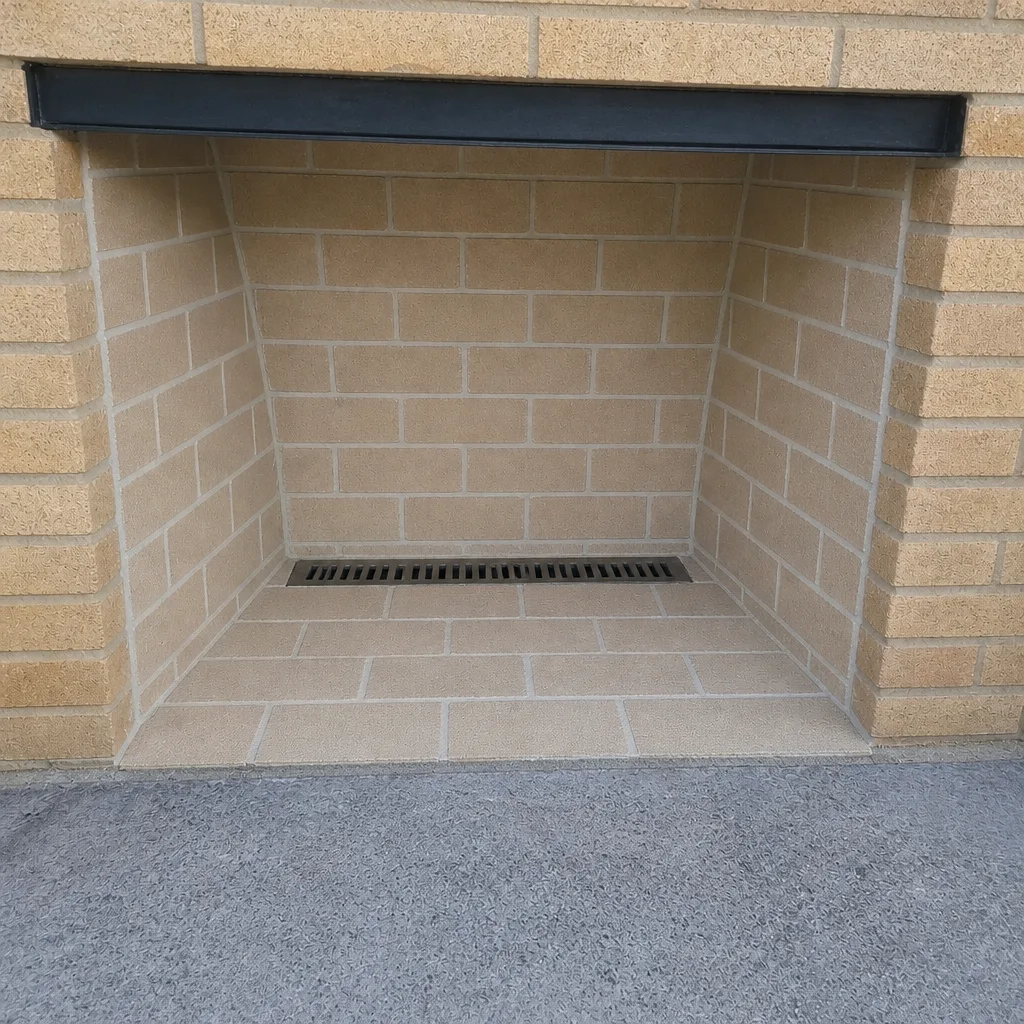
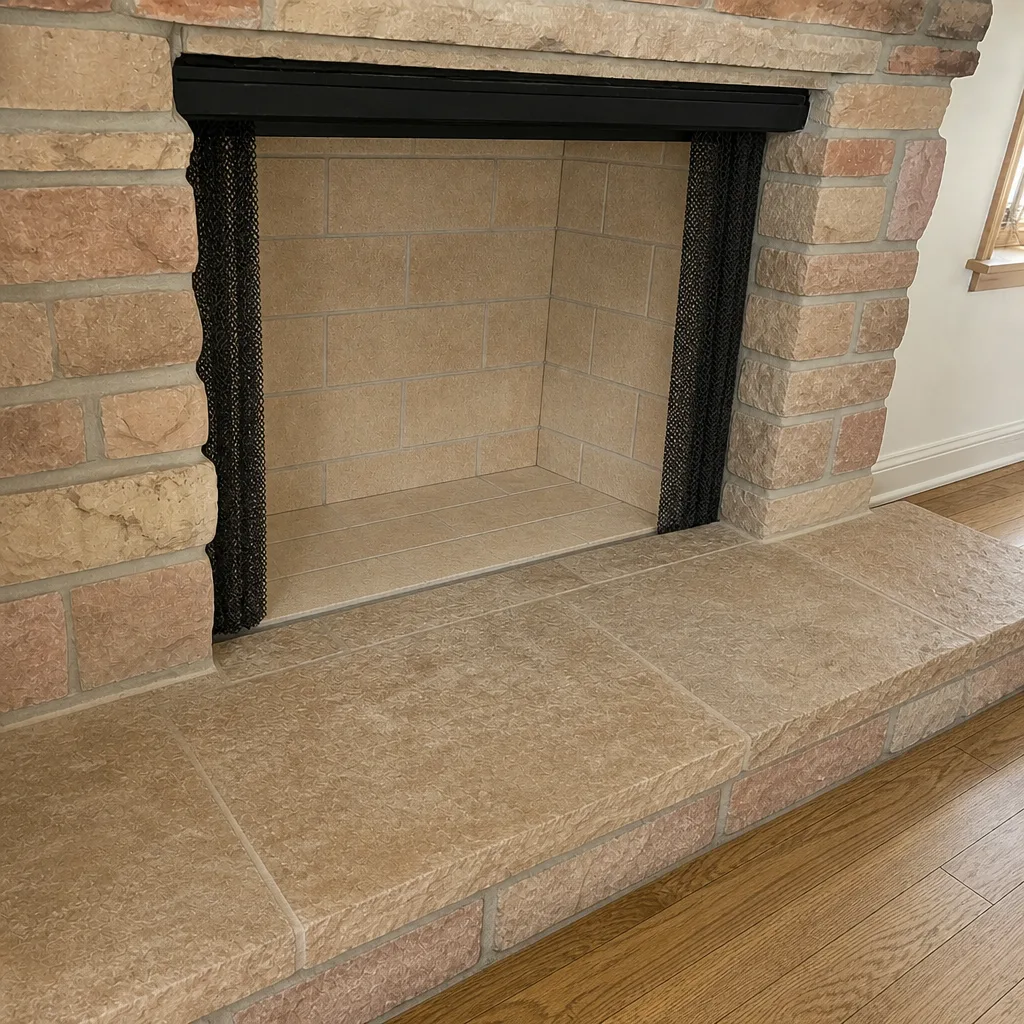
See the difference
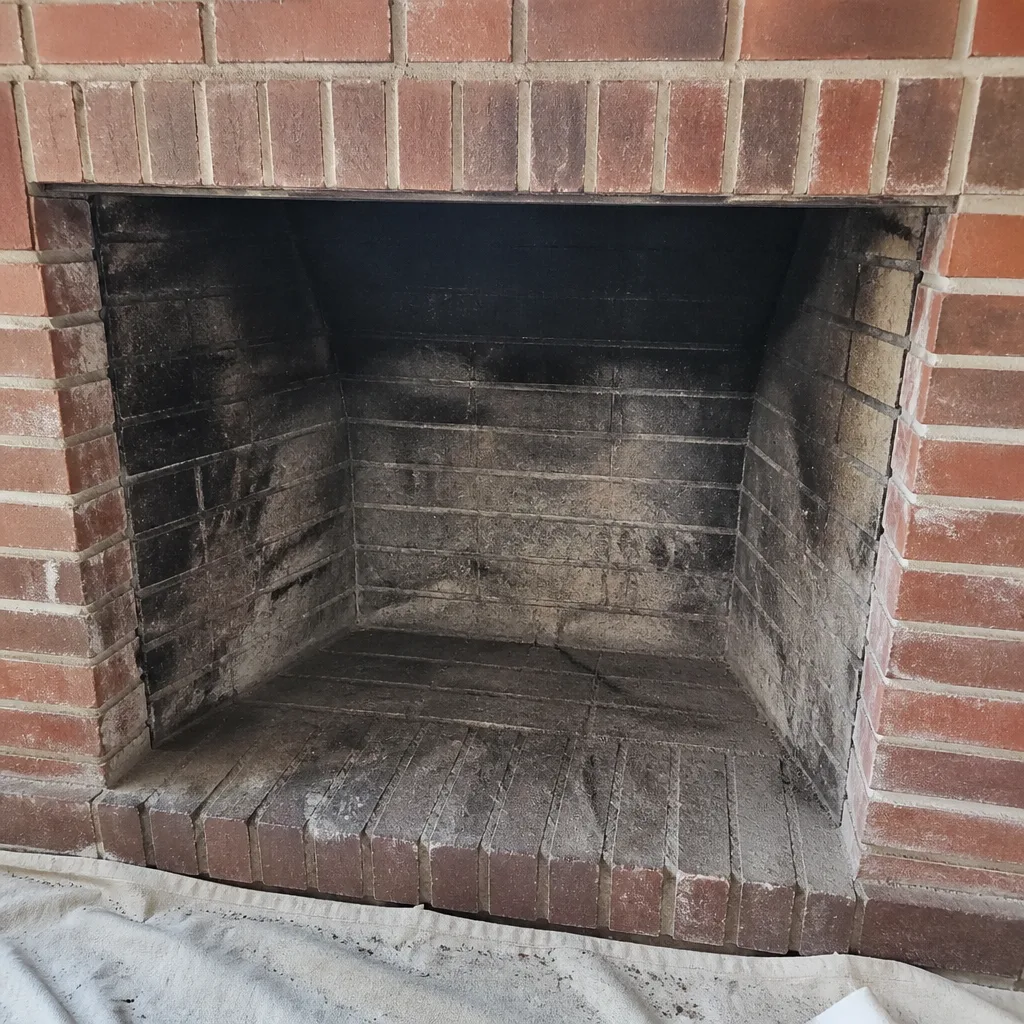 Before
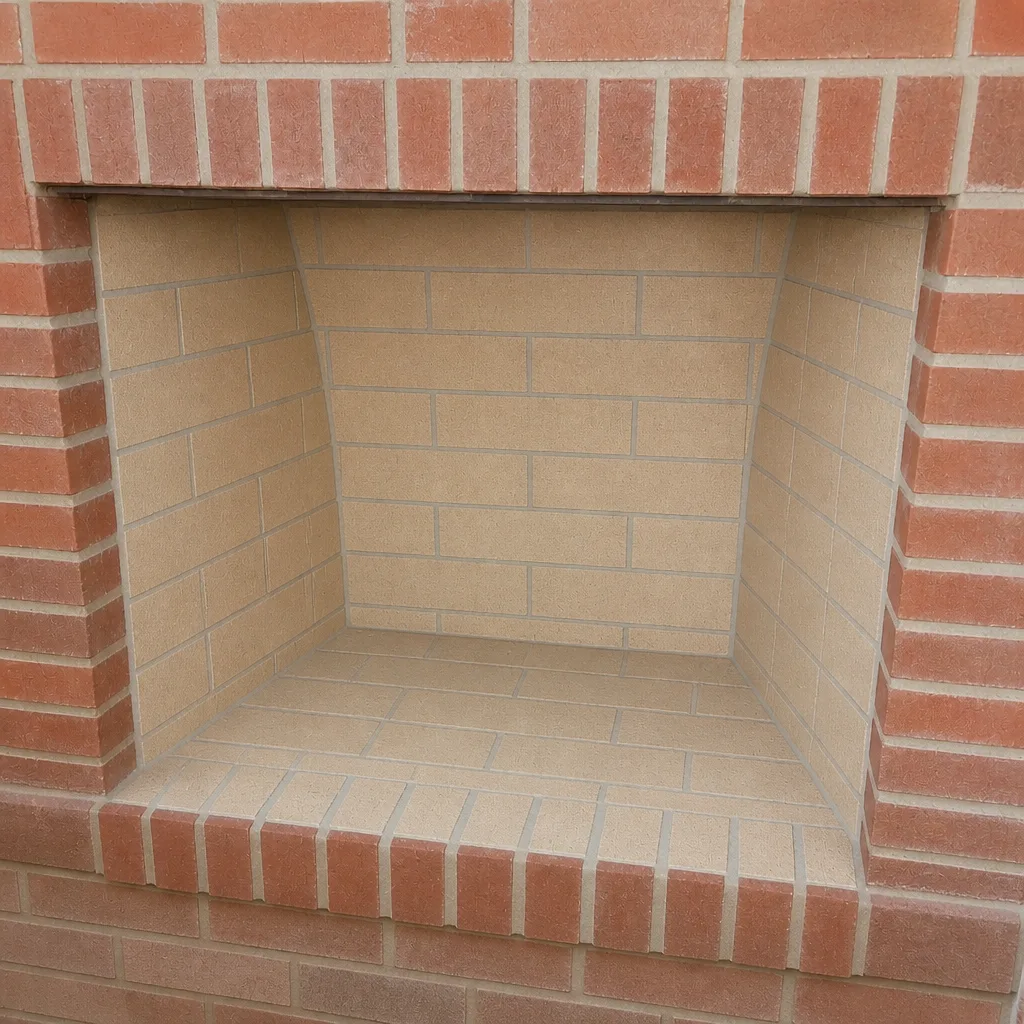 After
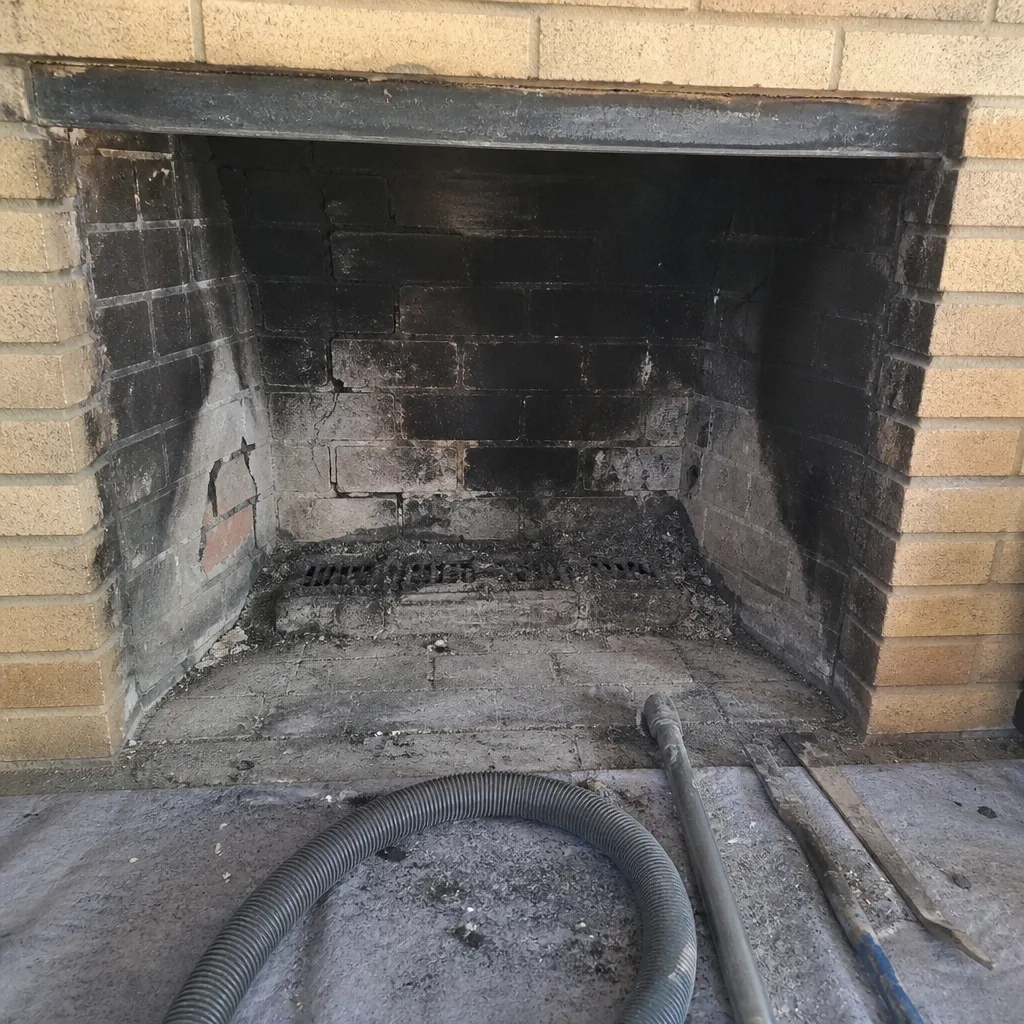 Before
 After
 Before
 After