
Last updated November 24, 2026
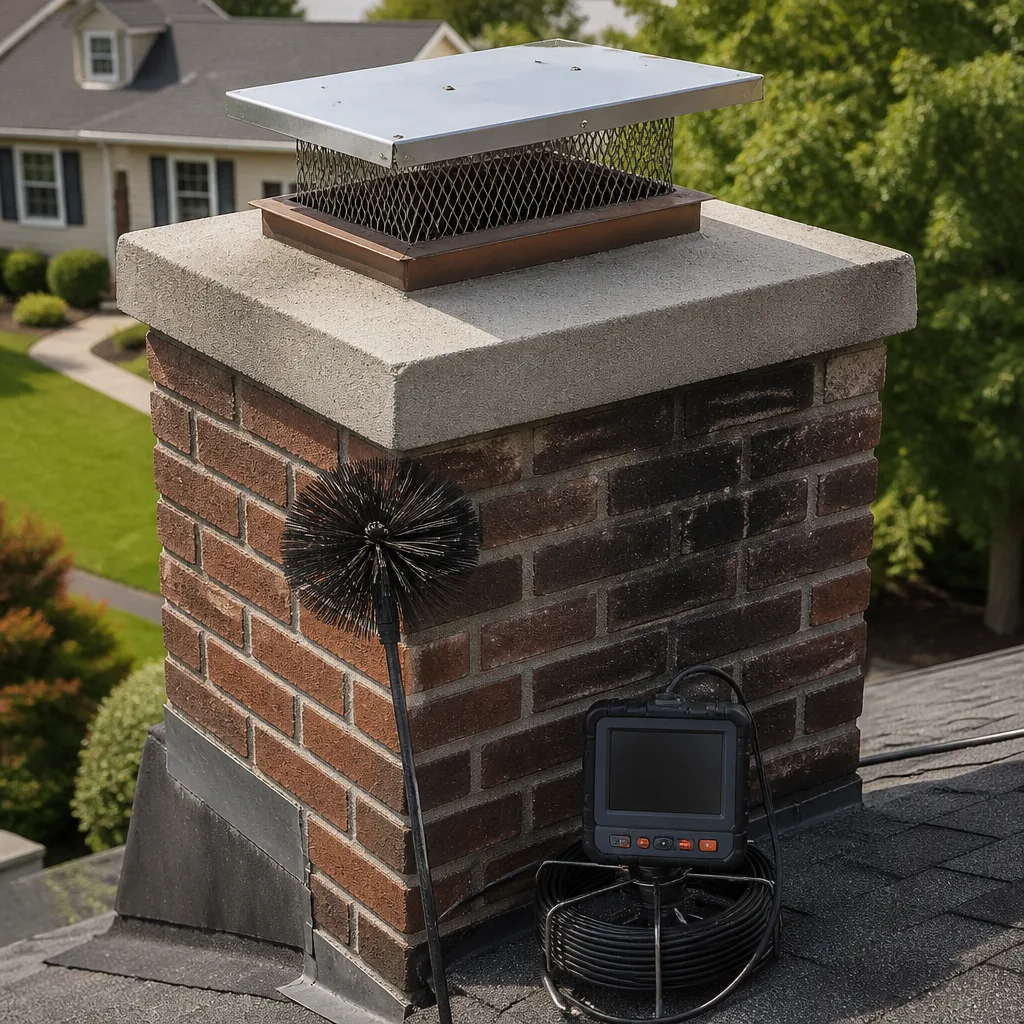 Sweep & inspection
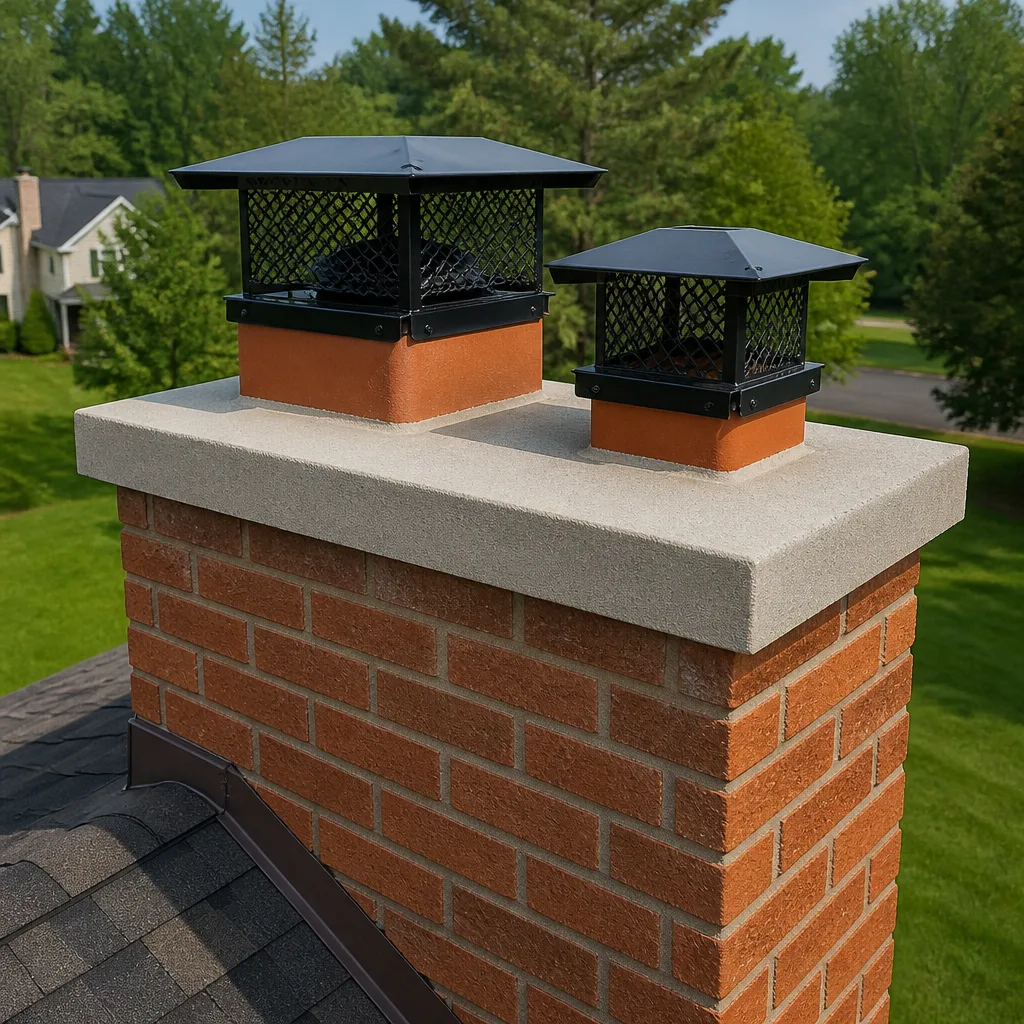 Caps & crowns
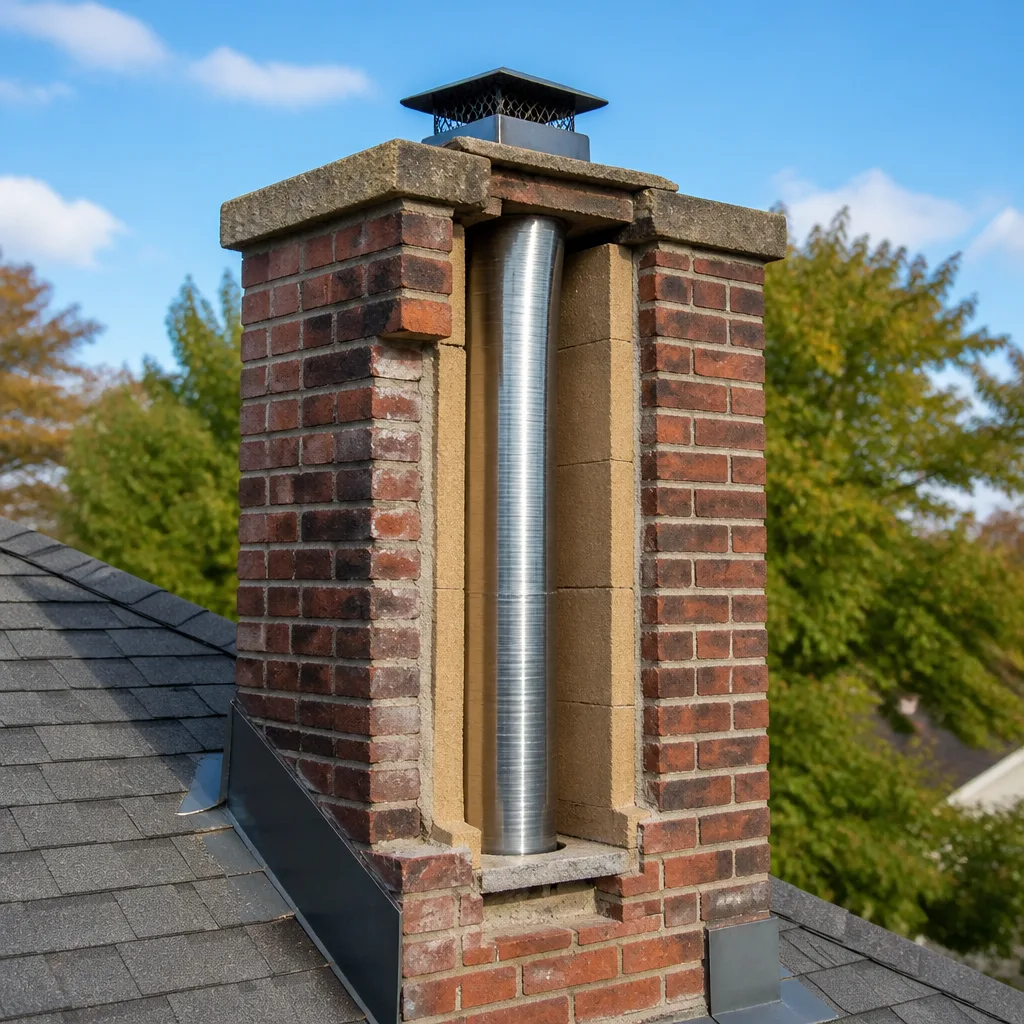 Flue relining
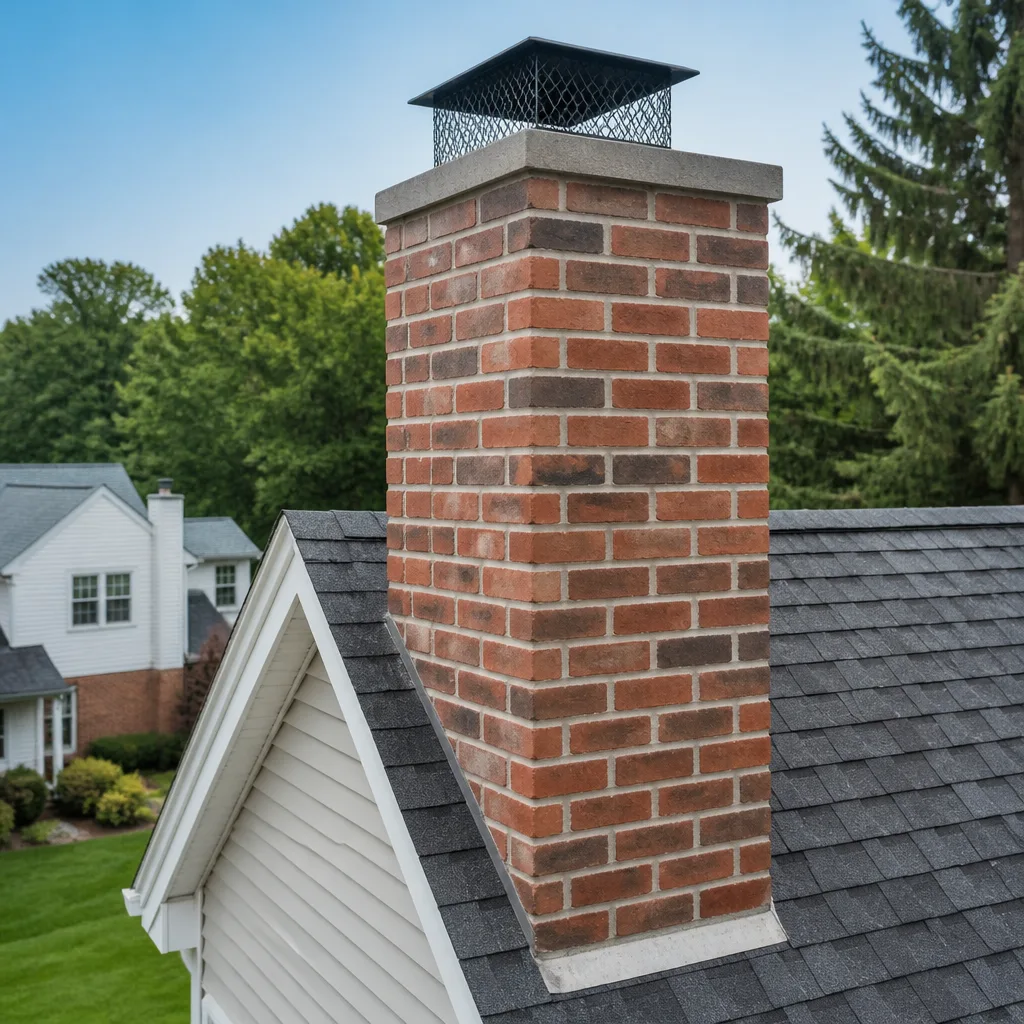 Masonry repair
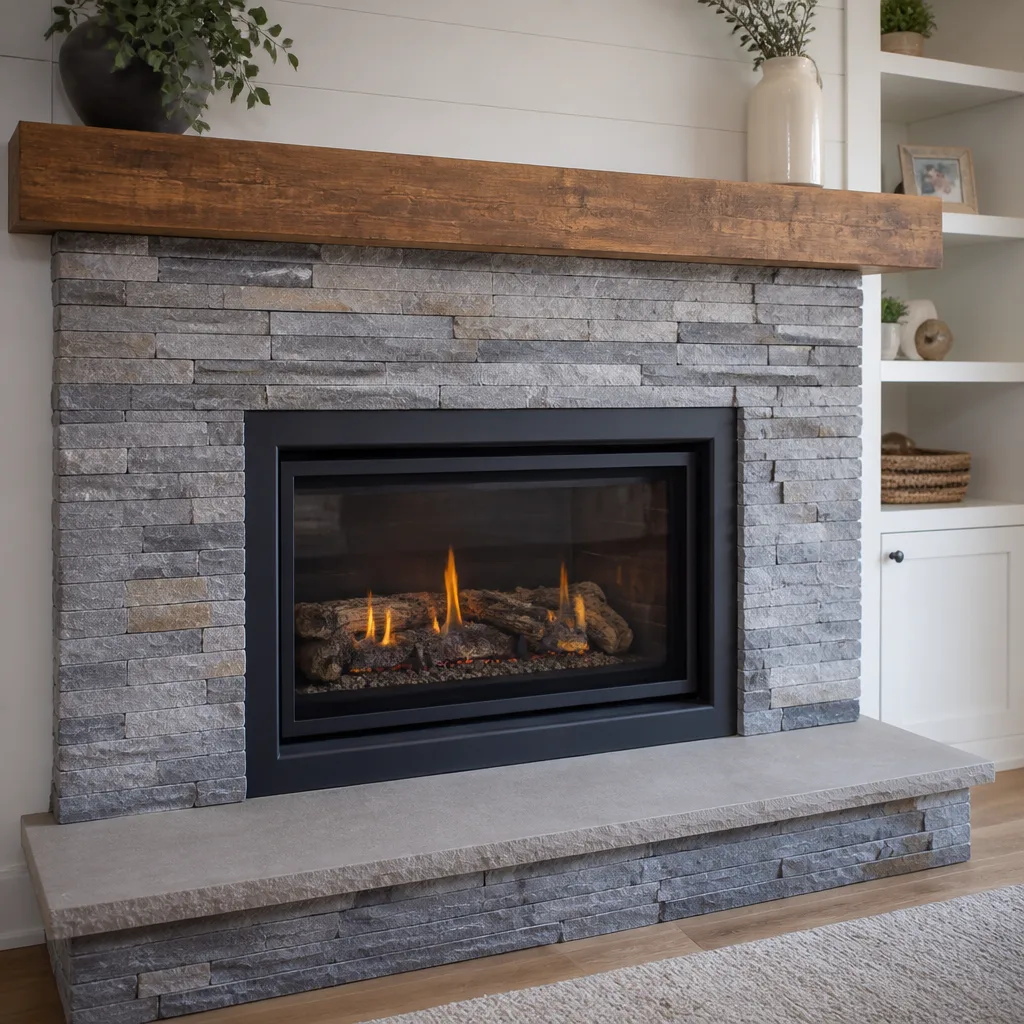 Gas fireplace service
Level 1 sweep and inspection to the NFPA 211 annual standard - flue, crown, cap, and flashing checked and photographed
Chimney sweep logs do not sweep chimneys. They loosen some creosote - which then falls where a brush and vacuum still have to collect it.
Seasonal Chimney Cleaning Care for Northglenn: Year-Round Homeowner’s Guide
The chimney fires that happen in January in Northglenn were almost always set up in September. That’s the part most homeowners miss. A flue doesn’t clog in a week; it accumulates creosote through every fire of the previous season, then sits through spring thaw, summer hail, and the first cold snap without anyone looking at it. By the time the smoke rolls back into the living room, the problem is months old.
A single annual sweep catches some of this. A seasonal plan catches all of it. In this guide, we’ll walk through what each of Northglenn’s four seasons does to a chimney system, what to check and when, why September beats November for scheduling, and how a maintenance log makes every future service call shorter and cheaper. This is written for homeowners who want to understand their own chimney, not just pay someone to look at it once a year.
Quick Answer
A year-round chimney care plan in Northglenn means four seasonal touchpoints: a spring check for freeze-thaw damage to mortar and flue tiles, a summer cap and crown inspection after hail season, a September sweep before the first fire, and a winter watch for smoke rollback and downdrafts. One annual sweep fits a mild climate; a Front Range climate with hard freeze-thaw cycles, hail, and wind gusts needs the full cycle to keep the system sound.
Styles & brands we work with
- Sweep & inspection
- Caps & crowns
- Flue relining
- Masonry repair
- Gas fireplace service
Table of Contents
- Why Northglenn’s Four Seasons Beat One Annual Sweep
- Spring: What Freeze-Thaw Does to Mortar and Flue Tiles
- Summer: Cap and Crown Inspection After Hail Season
- Fall: Why September Beats November for a Sweep
- Winter: Diagnosing Smoke Rollback and Downdrafts
- Building a Maintenance Log That Pays Off Later
- Common Mistakes to Avoid
- When to Call a Professional
Why Northglenn’s Four Seasons Beat One Annual Sweep
A chimney in a mild climate has one job: move smoke and stay clean. A chimney in Northglenn has four jobs, one per season. Freeze-thaw cycles in spring work water into every mortar joint and hairline crack in the masonry, then expand when it refreezes. Summer hailstorms hit the one part of the system that sits fully exposed to the sky: the cap and crown. Fall is when creosote from the previous heating season is thickest and easiest to remove before it hardens further. Winter cold snaps expose every deferred item at once, usually at the worst possible moment.
Here’s the practical difference. A homeowner who books one sweep in November is cleaning a flue that spent nine months collecting damage nobody saw. A homeowner who books a spring check, a summer cap inspection, and a September sweep is catching problems while they’re still small: a spalled mortar joint before water reaches the firebox, a cracked crown before it channels meltwater into the flue, a loose cap before the next gust takes it off.
The cost math is straightforward. Repointing a few mortar joints is minor work. Rebuilding a chimney chase because water got behind the flashing and froze through three winters is not. In our experience, the seasonal plan isn’t extra maintenance; it’s the maintenance that prevents the expensive repair. And it’s the reason we handle both the chimney sweep and the repair that follows an inspection, so nothing gets referred out when something turns up.
Northglenn sits on the Front Range, which means the temperature swings are sharp and the wind is a constant. That combination is what makes the seasonal approach worth more here than in a place with gradual weather. If you’ve ever watched a warm afternoon melt snow off the south side of a roof while the north side stayed frozen, you already understand what’s happening to the brick on your chimney.
Spring: What Freeze-Thaw Does to Mortar and Flue Tiles
Spring is when a Northglenn chimney shows the damage winter did. Water gets into mortar joints and small cracks during warm spells, freezes overnight when the temperature drops, and expands. That expansion widens the joint or the crack a little more each cycle. The visible result is spalling: brick faces flaking off, mortar turning sandy and recessed, small chips collecting on the roof or in the firebox.
Spalling is the early warning. If you can spot it in April, before the spring rains arrive, you’re catching it before water works its way behind the masonry and into the flue. Once moisture reaches the firebox area or the interior of the chase, the repair scope grows.
Here’s what to check from the ground in spring, using binoculars if you have them:
- Look at the mortar joints on the chimney stack. Are they recessed, crumbly, or missing in spots?
- Check the brick faces for flaking or chipping. A pile of brick dust on the roof is a clue.
- Look at the crown (the concrete cap at the very top) for cracks, especially hairline cracks radiating from the flue opening.
- Check the cap for rust, loose fasteners, or a wire mesh that’s pulled away.
- Look at the flashing where the chimney meets the roof for gaps, rust, or missing sealant.
- Note any white chalky staining on the brick, which can indicate moisture moving through the masonry.
Flue tiles are the other spring concern. A cracked tile from frost movement becomes a serious problem if creosote or water gets behind it. This is where a camera inspection earns its keep: a crack you can’t see from the firebox might be two feet up the flue. Our technicians have up to 8 years of experience reading these cracks and telling you whether they need a HeatShield liner repair, which resurfaces the flue without a full replacement, or just watching. If you’d rather understand your options before the first sweep of the season, that conversation is worth having in spring, not November.
Summer: Cap and Crown Inspection After Hail Season
Northglenn gets hail. So does the rest of the Front Range. If you’ve had your roof inspected after a storm, your chimney deserves the same look, and it’s usually the thing nobody remembers to check. The cap and crown take the full force of what falls from the sky, and they’re the most overlooked source of long-term chimney failure.
What damage patterns should you look for after hail season?
- Cracked crown: Hail and thermal shock crack the concrete crown. A cracked crown channels meltwater into the flue and the masonry below it.
- Dented or split cap: A steel cap dents under hail; a mesh screen tears. Either one lets birds, squirrels, and rain into the flue.
- Loose fasteners: Vibration and wind loosen the screws holding the cap. A cap that’s one storm away from leaving the chimney is a bigger problem than a dirty flue.
- Rust streaks on the crown or brick: Rust tells you water is pooling somewhere it shouldn’t and the metal is giving up.
- Debris in the firebox: If you find tile shards, mortar crumbs, or bits of mesh sitting on the damper or in the firebox in early summer, something above has failed.
Summer is the right time to fix these. The work is easier when the chimney is warm and dry, and there’s no urgency to have it done before the first fire. More importantly, a crown or cap repaired in July is a crown or cap that isn’t leaking through next winter’s freeze-thaw. We install and repair caps and crowns with professional-trade materials: a Famco cap or a poured or preformed crown built to survive the same hailstorms the roof just survived, not a hardware-store substitute.
The best summer habit is to pair your post-storm roof inspection with a chimney check. Same storm, same exposure, same walk-around. If your roofer finds damage up top, ask whether they looked at the chimney, because a lot of the time nobody did.
Fall: Why September Beats November for a Sweep
September is the single best month to schedule a chimney sweep in Northglenn, and November is the single worst. The reasoning isn’t complicated, but homeowners rarely hear it explained.
Availability. The first cold snap in November is when everyone remembers their chimney. That’s when the phone lines fill up across the Front Range and appointments push weeks out. In September, the calendar is open. A September sweep happens on the schedule you choose; a November sweep happens on whatever schedule the sweep has left.
Inspection depth. A sweep in September can be done without the pressure of an imminent fire. That means a real camera inspection, a written report, and time to talk through what it found. A sweep three days before the first fire is a sweep done quickly, because everyone in the house wants the fireplace lit. The inspection is the valuable part; rushing it defeats the point.
Repair lead times. If the inspection finds something (a cracked flue tile, a failing crown, a damaged cap), September gives you time to get it fixed before winter sets in. November gives you a choice between fixing it in the cold or burning with a known problem.
Creosote condition. Creosote that’s been sitting through a summer is hard and glazed. The longer it sits, the more stubborn it is to remove. A September sweep on last season’s creosote is easier than a December sweep on the same creosote after another six weeks of curing.
Our recommendation: book the sweep for September, get the inspection report, and make repair decisions before Halloween. If nothing needs repair, you’ve spent one appointment and the flue is ready. If something does need repair, you’ve given yourself weeks instead of days. That’s the whole case for early scheduling.
Winter: Diagnosing Smoke Rollback and Downdrafts
Mid-season smoke problems come in two flavors in Northglenn, and they have different causes.
Cold stack. A chimney that hasn’t been used yet this season (or hasn’t been used since the last cold snap) is filled with cold air. When you light the first fire, the chimney has to lift that cold plug of air before it can pull smoke. Until it does, smoke finds the path of least resistance: the room. A cold stack is the most common cause of smoke rollback on the first fire of the season, and it usually resolves once the flue warms up. A pre-warmed flue (newspaper or a torch held at the damper) speeds this up.
Wind-driven downdrafts. Northglenn sits on the Front Range, and the gusts here are a real feature, not an occasional nuisance. When wind hits a chimney from the wrong angle, or tops a nearby roofline, it can push air back down the flue. The symptoms are smoke puffing out around the damper when you light, smoke spilling into the room on gusty days, and soot streaks on the firebox. A proper cap with a wind-resistant profile (this is where an Olympia Chimney or Gelco cap earns its place) breaks the downdraft, and a spark arrestor screen stops embers from leaving.
Blockage. The third possibility is the one you can’t diagnose from inside. A bird nest, a collapsed tile, or a heavy creosote layer narrows the flue, and no amount of warm flue or wind cap fixes that. If smoke rolls back consistently, not just on first light, the cause is blockage until proven otherwise. That means a camera inspection, not a guess.
Winter diagnosis is about distinguishing these three. Cold stack: fixes itself with heat. Downdraft: fixes with a cap. Blockage: needs a sweep and a look with a camera. If you’re not sure which one you have, that’s the call to make.
One more winter note: hard cold snaps are when every deferred maintenance item shows up at once. The cracked crown from summer leaks when the freeze hits. The loose cap comes off in the first big wind. The spalled mortar joint crumbles a little further. This is why the March-through-November checklist matters more than the January repair: the January repair is the bill for the November decision.
Building a Maintenance Log That Pays Off Later
A simple maintenance log is the cheapest insurance a chimney owner can keep, and almost nobody does it. The idea is not complicated: every time work is done on the chimney, write it down. Every sweep, every inspection, every repair. Date, what was done, what materials were used, what the technician noted.
Why it matters:
- Faster service calls. A technician with a two-year history knows exactly where to look. A technician with no history has to investigate from scratch.
- Accurate repair decisions. If a flue tile was flagged as a hairline crack two years ago and hasn’t changed, a technician can confirm it’s stable rather than recommend repair on first sight. If it’s grown, that’s a different conversation. Either way, the log makes the decision informed rather than reactive.
- Insurance documentation. If a chimney fire ever happens, insurers want the maintenance history. A log showing annual sweeps and documented inspections supports the claim; no log makes every question harder.
- Resale. Chimney history is one of the things a buyer’s inspector asks about, and it’s the thing sellers rarely have. A log showing regular professional sweeps and repairs is a positive on the disclosure, and it’s a specific answer to a question most sellers fumble.
- Real-estate transactions. A pre-closing chimney inspection with a documented report goes into the file and answers the buyer’s side without a second visit.
A spiral notebook in the utility room works. A folder with inspection reports and receipts works. The point is the record, not the format. We give a written report with every inspection, and we file the details with the job, so if you ever need the history, it’s there.
Common Mistakes to Avoid
- Treating the annual sweep as the whole plan. A sweep cleans the flue; it doesn’t inspect the crown, check the cap fasteners after hail, or look at mortar joints. Those are the things that fail silently between heating seasons. The sweep is one part of the year, not the whole year.
- Scheduling in November. Booking the sweep the week before the first fire compresses the inspection and pushes repair lead times to zero. September gives you weeks to act on what the inspection found.
- Ignoring the cap because the flue is clean. The inside of a chimney can be spotless while the cap is one gust from departing and the crown is cracked down the middle. Clean and sound are two different questions, and the clean answer hides the sound one.
- Skipping the post-hail look. Northglenn hail knows no roof from no chimney. If the roof gets inspected after a storm, the chimney should get the same walk-around, because the same hail hit the same elevation.
- Assuming a sweep company can fix what it finds. A lot of single-service sweeps will flag a problem and refer you to someone else, which means a second appointment and a second set of eyes. Ask up front whether the same company can do the repair. We can: sweep, inspection, fireplace repair, chimney repair, and cap and crown all involve the same team.
- Burning through a known problem. A cracked flue tile discovered in September is a repair; the same crack discovered in December is a decision about whether to burn with it. The cost of waiting is the loss of the safe option.
- Not keeping the record. Every sweep and repair that isn’t written down disappears. A log costs nothing to keep and pays off at the service call, the insurance conversation, and the closing table.
See the difference
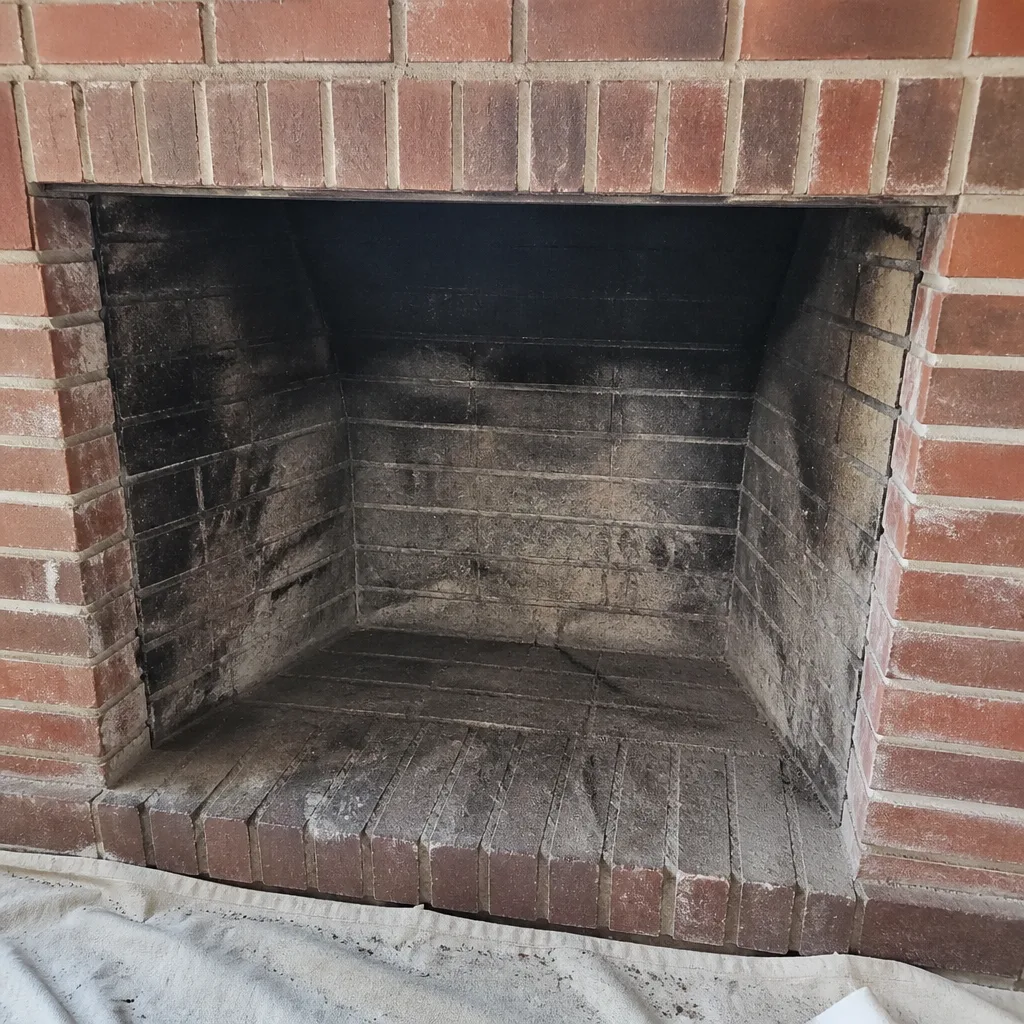 Before
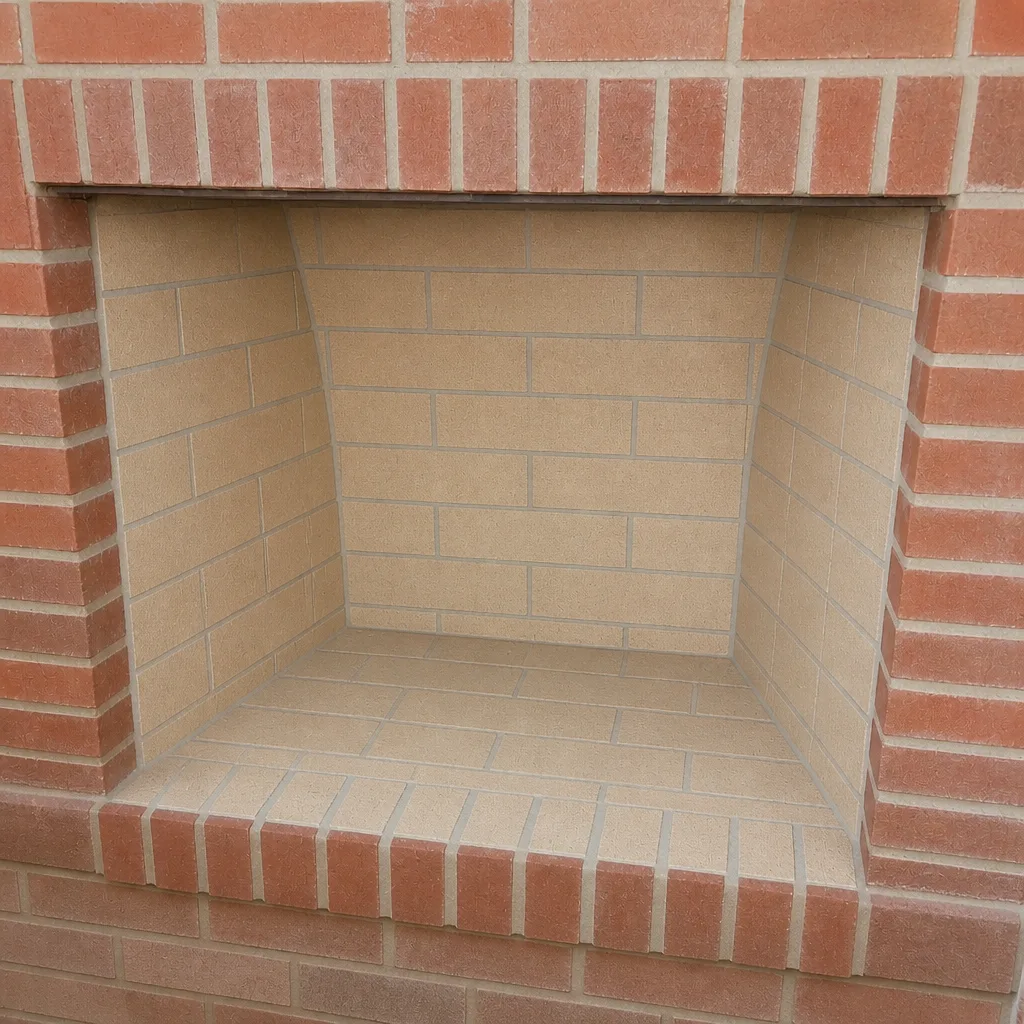 After
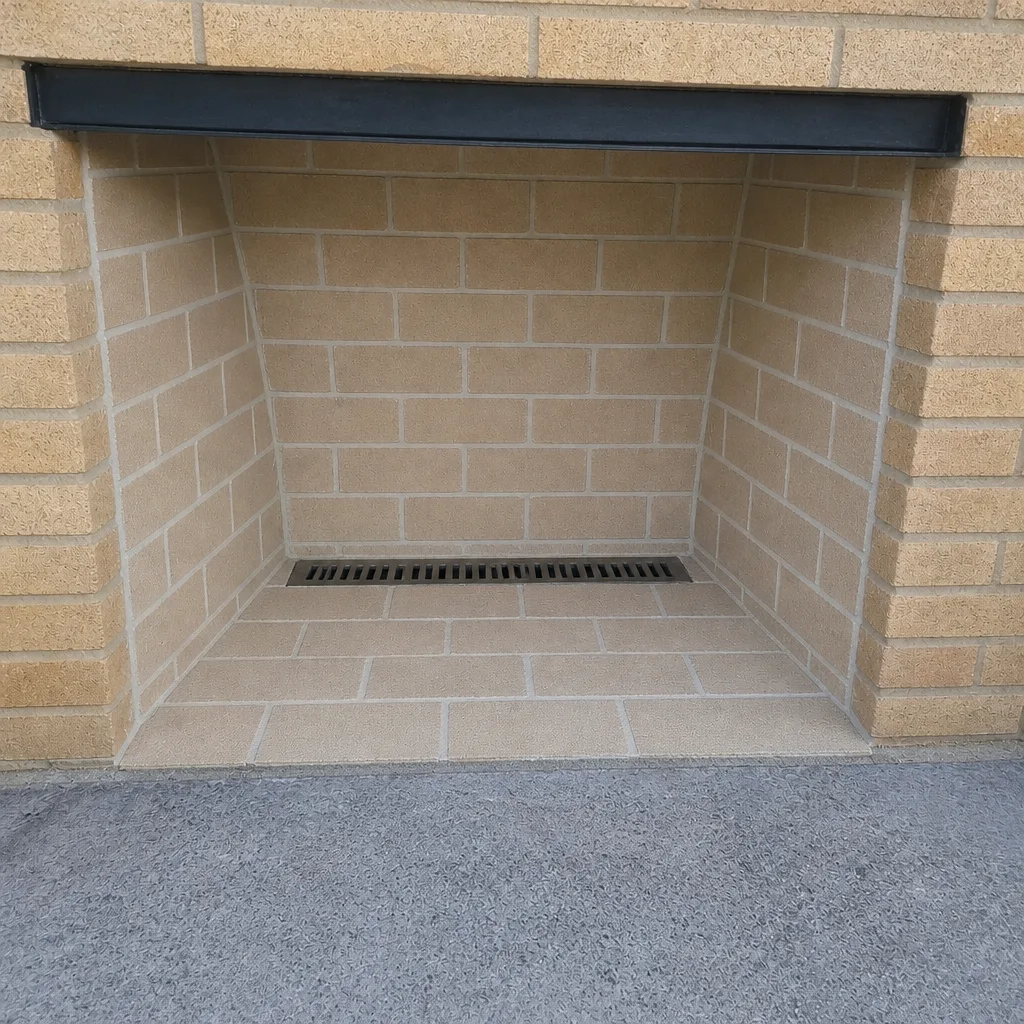
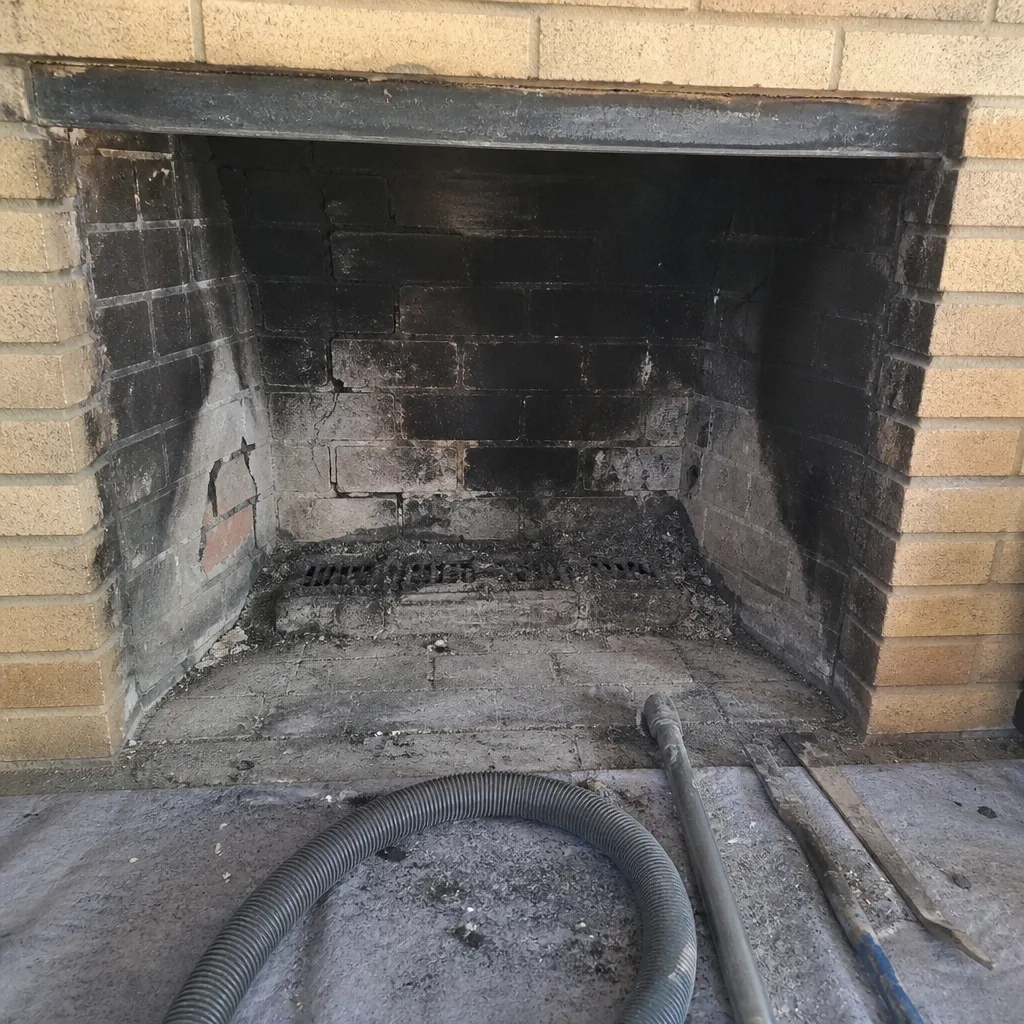 Before
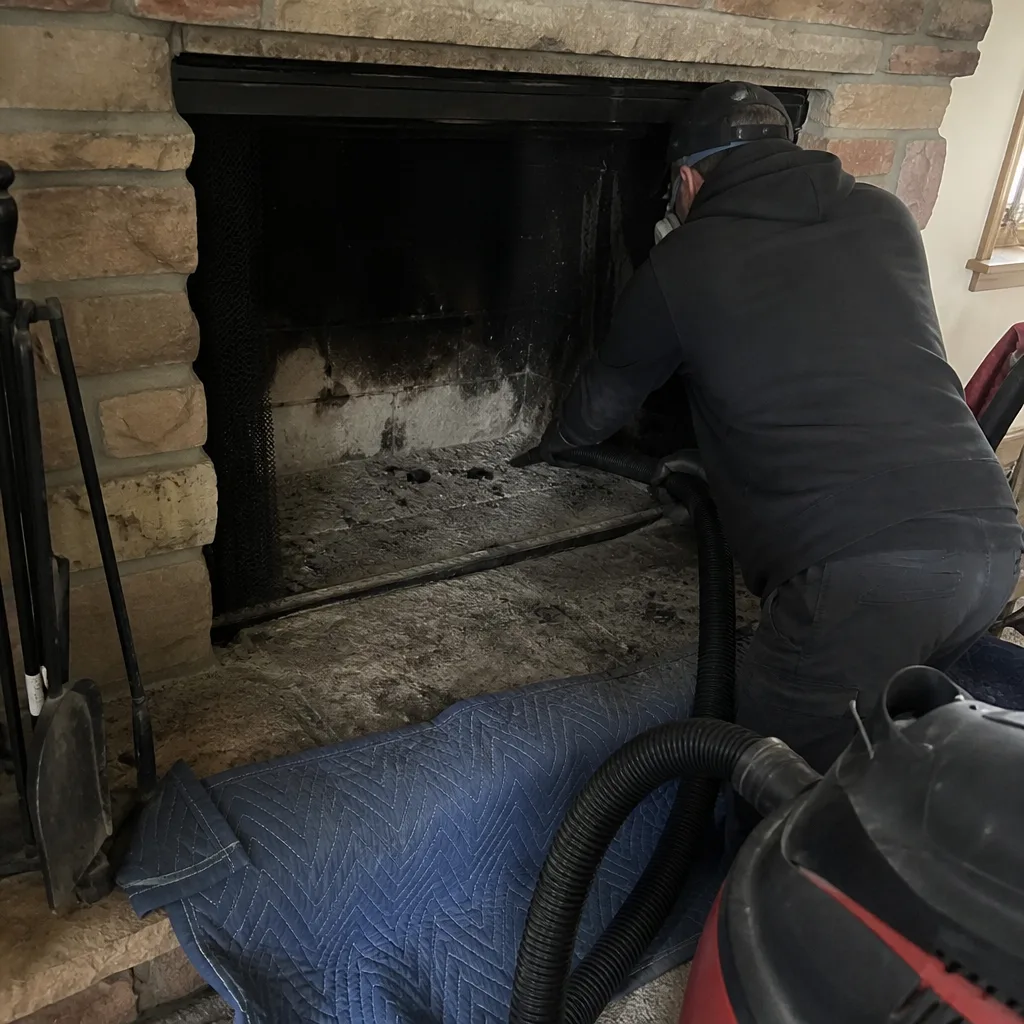
 After
 Before
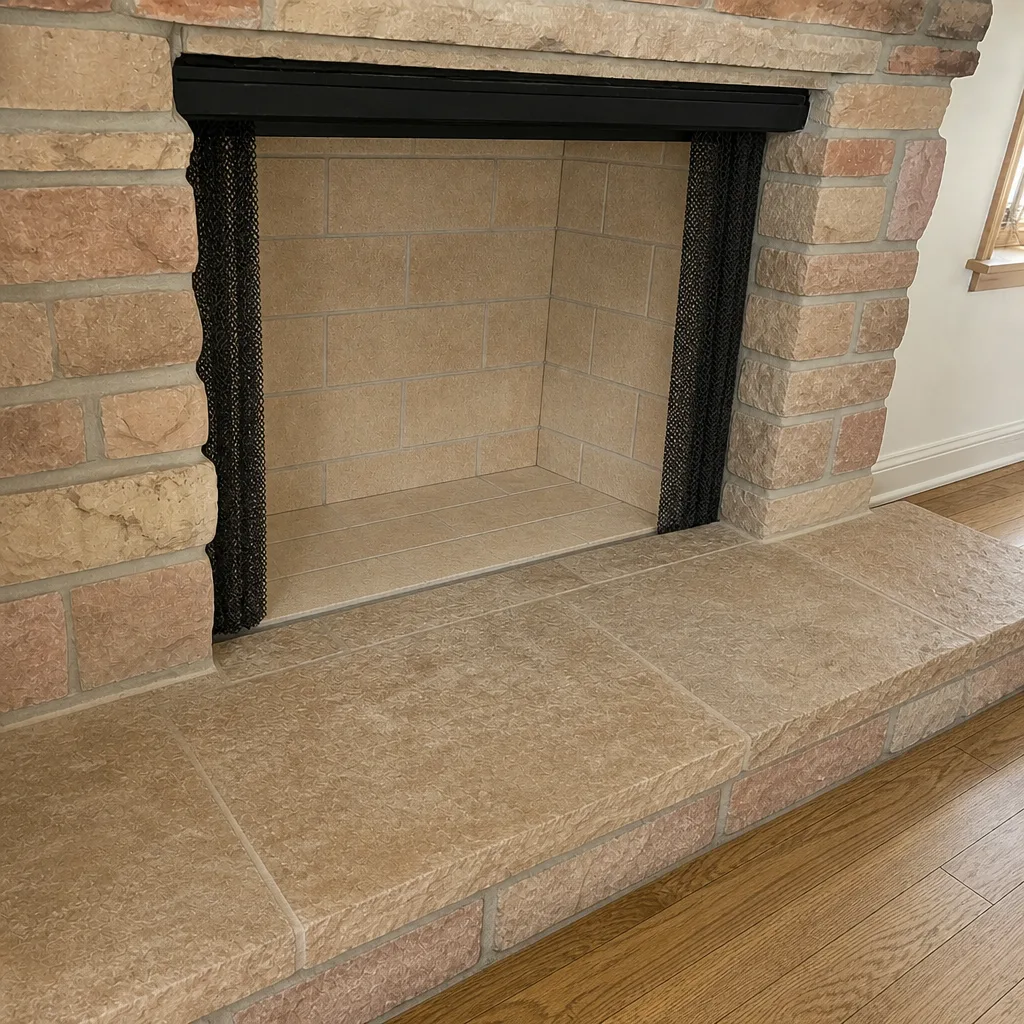 After
When to Call a Professional
Some chimney work is a look-and-see; some is a call-a-professional. Call us if you notice any of these: smoke rolling back into the room consistently (not just on first light), soot streaks around the damper or on the firebox, a strong creosote smell on warm days, a loose or missing cap, visible cracks in the crown, crumbling mortar joints, spalling brick, or white staining on the masonry. Also call if you’ve moved into a new Northglenn home and don’t know when the chimney was last swept, or if you’re buying or selling and need a documented inspection for the file. If your smoke and carbon monoxide detectors have gone off, leave the house and call 911 first; that’s a life-safety situation, not a service call.
Chimney Sweep Northglenn offers free estimates in Northglenn. Call (866) 616-5448. We answer 24/7. Fast dispatch from 7am to 7pm, Sunday through Friday.
Frequently Asked Questions
Once a year for most wood-burning fireplaces, and more often if you burn heavily through the winter. The annual sweep should happen in September, before the first fire, so the inspection has time to be acted on. Gas fireplaces need less frequent cleaning but still need an annual inspection of the flue and venting. Call (866) 616-5448 for an exact quote on your chimney; estimates are free.
Creosote keeps building, and the flue gets narrower and more flammable. A skipped year also means a skipped inspection, so a cracked flue tile, a failing crown, or a loose cap goes another twelve months without anyone seeing it. The result isn’t always dramatic; sometimes it’s just a bigger repair bill when the smaller item finally gets caught. Call (866) 616-5448 to schedule a look before the next heating season.
That depends on what the camera sees. HeatShield is a resurfacing system for a flue that’s cracked or deteriorating but still structurally sound; it restores the liner without a full replacement. A flue with a displaced tile, a large gap, or a failed liner from top to bottom needs a new liner, and for that we install DuraFlex flexible liner systems. The recommendation follows the evidence, and the camera footage is shown to you so you can judge it yourself. Call (866) 616-5448 to get an inspection booked.
Wind-driven downdrafts, usually. Front Range gusts hit the top of the chimney at an angle that pushes air back down the flue, and the smoke follows it into the room. A properly designed cap (we install Olympia Chimney and Gelco caps) breaks the downdraft. If smoke rollback happens on calm days too, the cause is more likely a blockage, and that needs a camera inspection. Call (866) 616-5448 for a diagnosis.
Late summer and early fall, ideally September. You’ll get the appointment you want, the inspection won’t be rushed, and there’s time to fix anything that turns up before cold weather sets in. November is the worst month to schedule, because everyone else is scheduling in November. Call (866) 616-5448 and we’ll find you a slot before the first fire.
With us, yes. We handle the sweep and the repair, so there’s no referral and no second appointment. That includes fireplace repair, chimney repair, liner resurfacing with HeatShield, liner installation with DuraFlex, and cap and crown installation using Famco and Copperfield materials. Call (866) 616-5448 for a free estimate.
The Bottom Line
A Northglenn chimney and a mild-climate chimney are not the same system. Freeze-thaw cycles, hail, and Front Range wind hit different parts of it at different times of year, and one annual sweep only catches a fraction of the picture. The seasonal plan is simple: check mortar and flue tiles in spring, inspect the cap and crown after hail season in summer, sweep and inspect in September, and stay alert to smoke rollback and downdrafts through winter. Keep a log of everything. When something turns up, get it looked at by someone who can do the work. The system is Chimney Sweep Northglenn‘s specialty from firebox to crown, and the point of the seasonal plan is to keep every part of it in service.
If your chimney needs a sweep, an inspection, or a repair this season, call Chimney Sweep Northglenn at (866) 616-5448 for a free estimate. We answer 24/7. Fast dispatch from 7am to 7pm, Sunday through Friday. Estimates are free, and nothing gets recommended without evidence you can see for yourself.
Written by the team at Chimney Sweep Northglenn.