
Last updated November 24, 2026
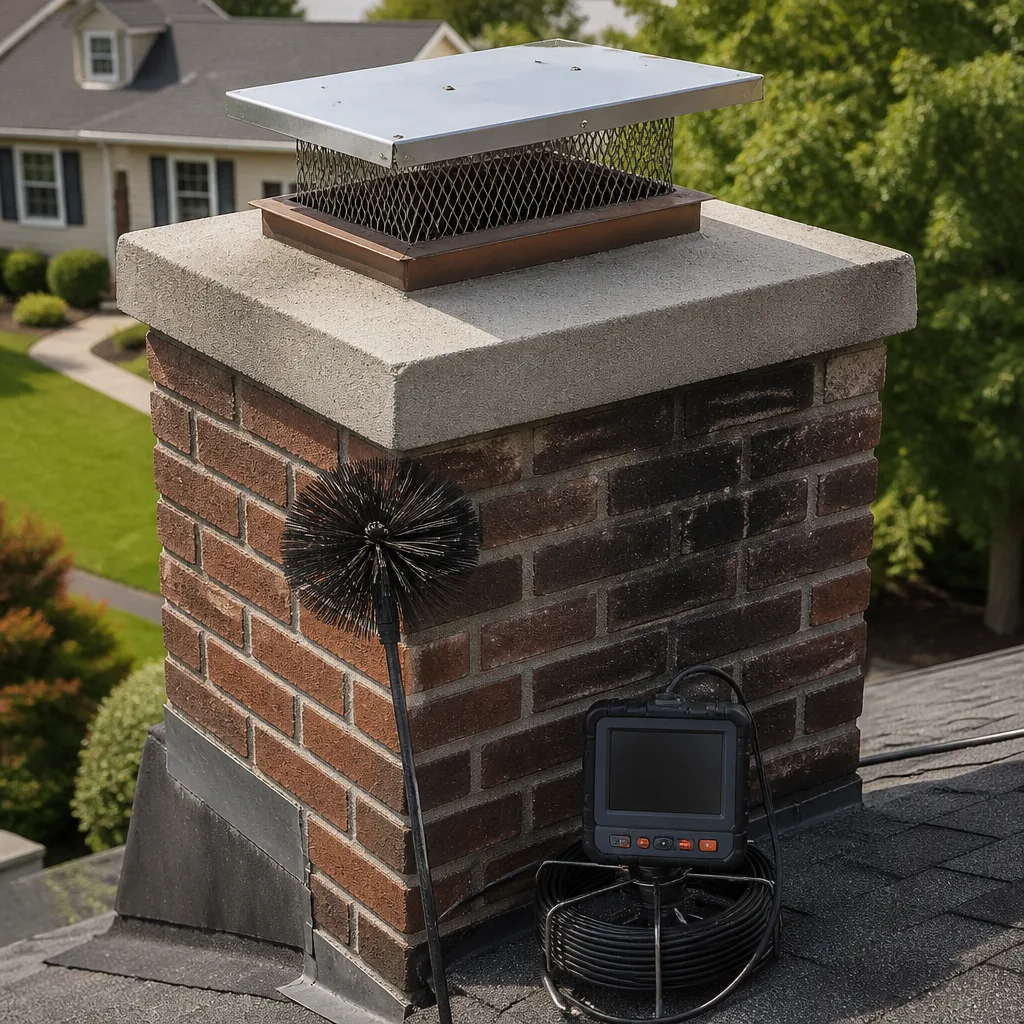 Sweep & inspection
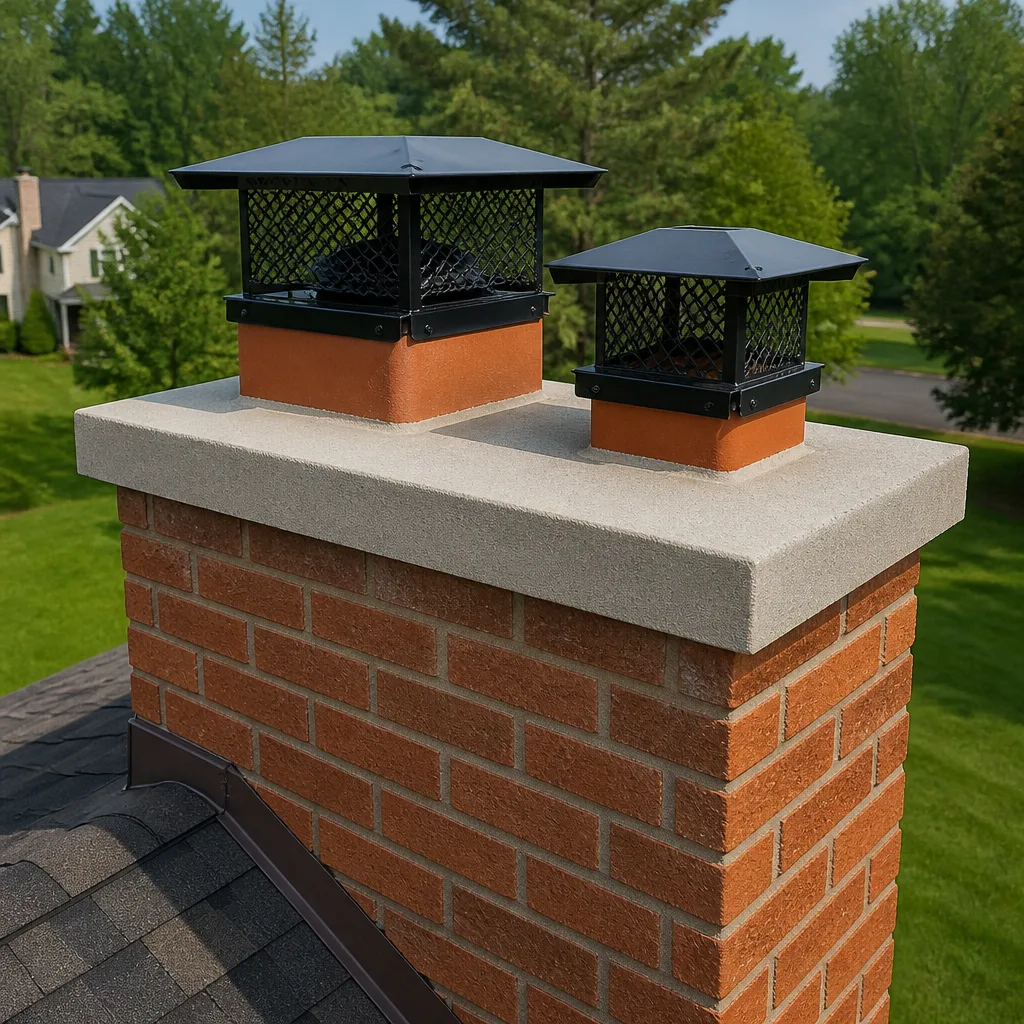 Caps & crowns
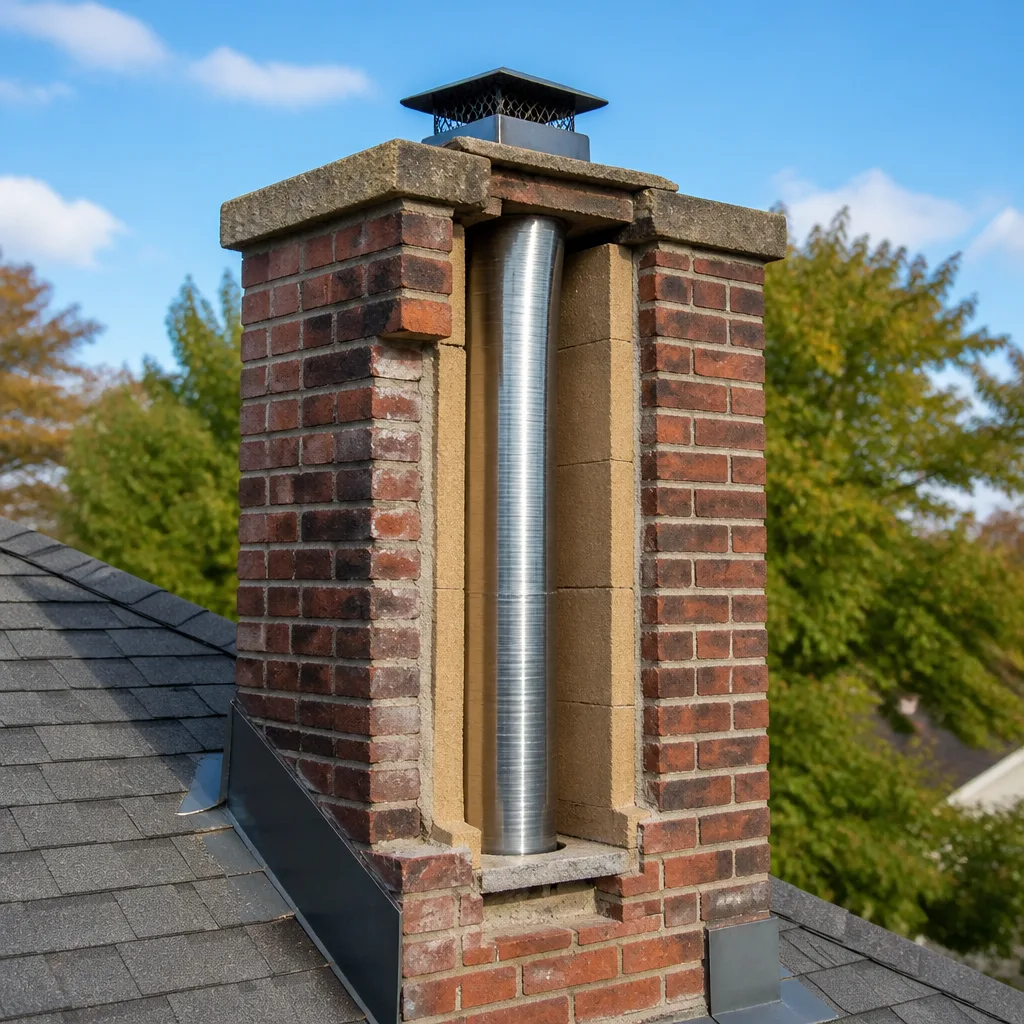 Flue relining
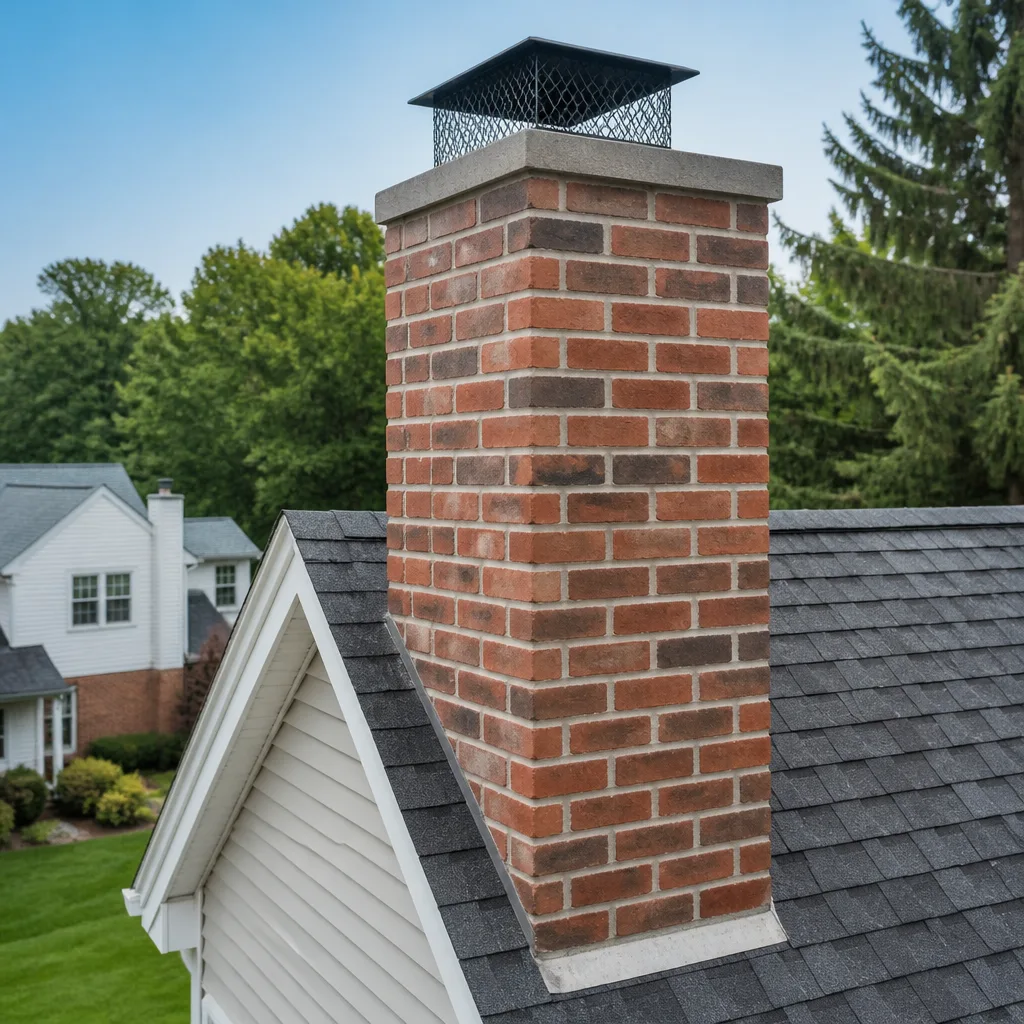 Masonry repair
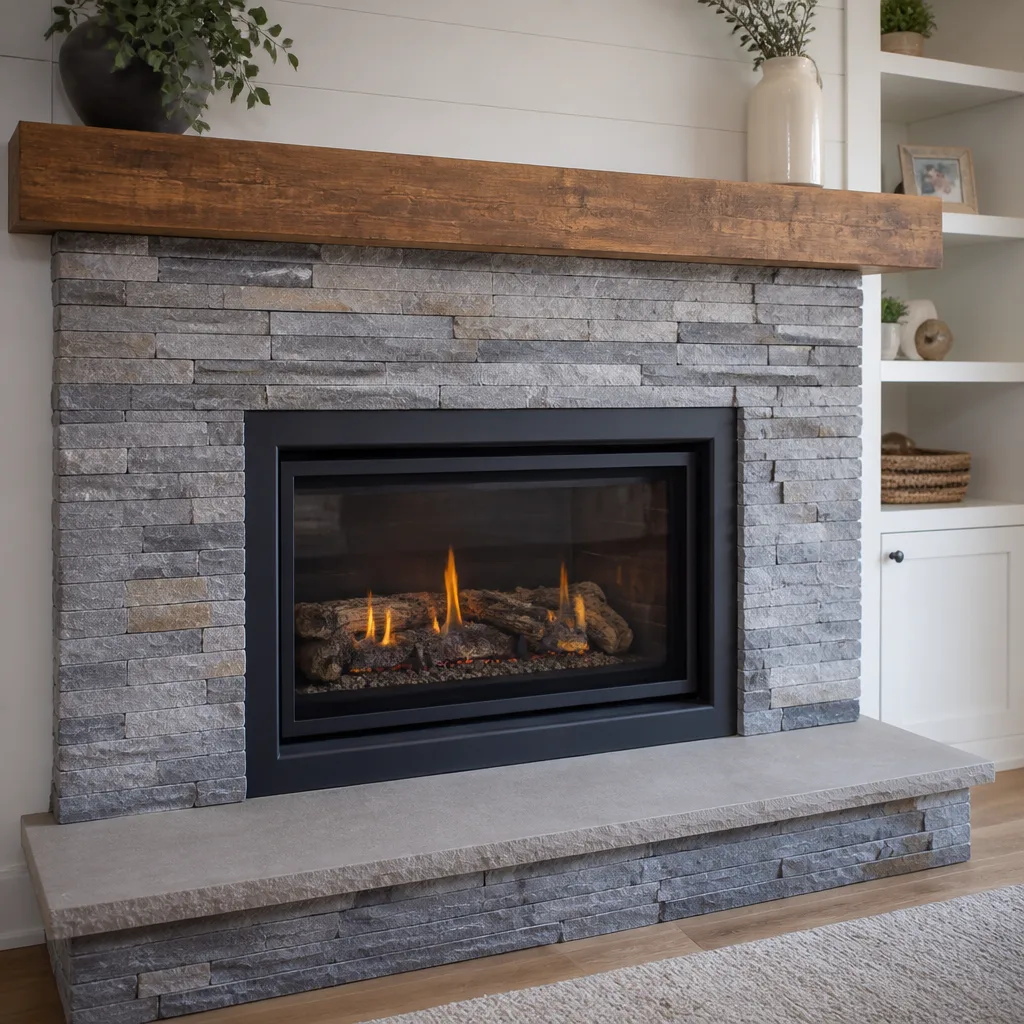 Gas fireplace service
Level 1 sweep and inspection to the NFPA 211 annual standard - flue, crown, cap, and flashing checked and photographed
Chimney sweep logs do not sweep chimneys. They loosen some creosote - which then falls where a brush and vacuum still have to collect it.
DIY vs Professional Chimney Cleaning: The Northglenn Homeowner’s Decision Guide
A homeowner with a $45 chimney brush kit can remove loose soot from the flue. What that kit can’t do is tell you whether the dark, glossy deposit you’re looking at 20 feet up is Stage 1 creosote that sweeps away cleanly or Stage 2 creosote that has already bonded to the tile and will burn. That distinction is the whole game, and it’s why the DIY versus professional question is really a question about knowing when maintenance ends and diagnosis begins. We handle both the sweep and the repair side of that line in Northglenn, so we’ve spent a lot of time watching homeowners try to sort one from the other. This guide lays out which tasks are genuinely safe to do yourself, which ones look simple and aren’t, and how to run the math on when calling a pro actually saves money.
Quick Answer
You can safely do the low-risk maintenance yourself: emptying ash, checking the exterior cap from the ground, testing the damper by hand, and confirming the flue actually drafts. You should not clean the flue or judge its condition yourself, because creosote stage identification, liner inspection, and smoke chamber assessment require a camera and trained eyes. Most Northglenn homeowners should book a professional sweep and inspection once a year and handle everything else on their own between visits.
Chimney Sweep Northglenn sends a technician who sweeps with rotary equipment under HEPA containment and documents what’s inside the flue with a camera so you can see it yourself. Estimates are free.
Styles & brands we work with
- Sweep & inspection
- Caps & crowns
- Flue relining
- Masonry repair
- Gas fireplace service
Table of Contents
- What’s Actually Safe to Do Yourself
- Tasks That Look Simple but Aren’t
- The Equipment Reality: Pro Rig vs. DIY Kit
- Creosote Stages: Why the Difference Matters in Northglenn
- Liability, Insurance, and Documentation
- The Break-Even Calculation
- Common Mistakes to Avoid
- When to Call a Professional
What’s Actually Safe to Do Yourself
There is a real list of chimney chores that belong in the DIY column, and doing them well keeps your system healthier between professional visits. None of them involve putting your body or a brush inside the flue. They’re about observation and routine care at the parts of the system you can reach safely.
Firebox ash removal is the clearest example. Once the firebox is cold and you’ve given it a day to settle, scooping out excess ash with a metal shovel and a metal bucket protects the firebrick and lets your grate breathe. Leave a thin layer of ash on the brick as an insulating bed rather than scraping down to bare masonry. That’s maintenance, not diagnosis.
Exterior visual checks are the second. Standing on the ground with a pair of binoculars and looking at your chimney cap and crown will tell you a lot. Rusted cap mesh, a cap that’s tilted or blown off, visible cracks across the top of the crown, or a washed-out mortar joint at the crown edge all point to moisture getting in. You don’t need to climb anything to note those things and call about them.
The damper is the third. Opening and closing the damper by hand should feel smooth and the plate should seat fully when closed. A damper that sticks, rattles, or won’t seal is worth flagging. It’s also the right moment to check that the smoke shelf behind it isn’t packed with soot fall.
And the fourth is the smoke draft test, done with an incense stick rather than a lit fire. Light an incense stick near a cold firebox with the damper open and watch the smoke. It should rise straight up the flue and get drawn in. If it curls back into the room, stalls, or wafts sideways, the flue is telling you something is obstructed or the draft is failing, and that’s a call.
When a Northglenn homeowner asks us what to do without a technician, this list is what we give them. It’s real work. It just stops short of the flue.
Tasks That Look Simple but Aren’t
This is where a lot of the trouble on Northglenn roofs and in Northglenn flues starts. The three jobs below all appear on a DIY video and all look straightforward in the moment. In practice each one depends on a piece of knowledge or a piece of equipment a homeowner won’t have on hand.
- Flue liner inspection. A liner is a ceramic tile or metal tube you can’t see from the firebox worth a glance. Cracks in flue tile, gaps at the joints between tiles, and separation at the top of the liner are hidden from the naked eye. They’re found with a camera run down the flue. A homeowner shining a flashlight up from the firebox sees the first tile or two and nothing past the first bend. A crack above that bend lets combustion gases into the chimney chase, and that’s the liner’s whole job undone.
- Smoke chamber assessment. The smoke chamber is the sloped throat above the damper that funnels smoke into the flue. It has ledges and corners where soot and creosote collect, and its shape matters enormously to draft. A homeowner looking up from the firebox sees the underside of the damper and not much else. Judging whether the smoke chamber is rough, correctly parged, or filled with debris requires getting past the damper with a light or a camera, and knowing what correct looks like.
- Creosote stage identification. Creosote forms in stages and the stage determines what method removes it. Stage 1 is a flaky, dusty soot that brushes off. Stage 2 is a hardened, crusty deposit that a standard brush will not fully remove and needs rotary cleaning or a chemical treatment to soften. Stage 3 is a glazed, glassy coating on the flue wall, the most combustible form, and it’s a fire hazard that can only be addressed with the right method and the right material. The catch is that Stage 1 and Stage 2 look similar in dim light 20 feet up a flue, and one brushes off while the other needs more. Treating Stage 2 as if it’s Stage 1 is genuinely how chimney fires start.
We see this on Northglenn homes close to the base of the foothills, where the winter wind drives draft pressures that encourage slower, cooler burns. Cooler burns make more creosote. The buildup that forms in Northglenn flues in a single season of cool smoldering firewood looks the same to a homeowner as the light soot down the street. It isn’t, and the only reliable way to tell is to look with the right equipment and to know what counts as hardened.
The Equipment Reality: Pro Rig vs. DIY Kit
The gap between a homeowner’s cleaning kit and a professional sweep rig isn’t gadget collection. It’s the difference between removing what’s visible and containing what isn’t. A brush on a flexible rod will knock soot off the flue walls you can reach. A professional rig does four jobs at once: it cleans with rotary action, it seals the work area, it captures the dust, and it inspects the result on camera.
Here’s what a proper sweep rig includes, and what a typical DIY kit can honestly match:
- Rotary cleaning system. A power-driven rotary head with interchangeable whips cleans the full circumference of the flue, including the bonding layers that a straight brush leaves behind. A DIY brush does not spin; it drags. It removes loose buildup and leaves the rest.
- HEPA containment and vacuum. A high-efficiency vacuum with a closed collection bag captures fine soot and creosote dust at the source. A homeowner without containment will distribute a fine black dust through the room that settles into every surface, and it’s genuinely hard to remove from upholstery and rugs.
- Inspection camera. A camera on a reel records the entire flue from damper to cap. It shows the homeowner what the technician sees, which is the difference between a report and an opinion. A flashlight can’t replicate this.
- Drop cloths and floor protection. Professional-grade sheets and runners contain the work zone. Sheets that don’t seal the firebox opening let dust escape into the room.
- Creosote treatment chemicals. When Stage 2 or Stage 3 buildup is present, sweeps use trade products to soften and lift it before cleaning. A homeowner buying a retail equivalent can burn money on the wrong product for the wrong stage.
- Ladder and roof access gear. All the top-of-flue work and the flue cap handling happens on a roof, often on a pitch. This is where the real safety risk of DIY lives, and it isn’t dust.
In our experience, the honest answer is that a DIY brush can maintain a clean flue between sweeps but cannot diagnose the flue it’s cleaning. The equipment gap is where most of the homeowner’s financial exposure hides, because a job that looks done can leave hardened creosote in place. We use the professional rig on every Northglenn job because the camera means the homeowner sees the evidence, not just our word for it.
Creosote Stages: Why the Difference Matters in Northglenn
Creosote is a natural byproduct of burning wood, and its form depends on how the fire burns and how the smoke cools before it leaves the flue. It’s the single most important variable in chimney cleaning, and it’s the reason a clean-looking flue can still be dangerous.
The three stages, plainly:
- Stage 1: Sooty, flaky, easily brushed. It’s the closest thing to harmless. Standard sweeping removes it.
- Stage 2: Hardened crust, bonded to the flue wall. A straight brush won’t remove all of it. It needs rotary cleaning, sometimes softened first with treatment chemicals. This is the most common stage we find in Northglenn homes that have burned through a heating season with cool, slow fires.
- Stage 3: Glazed, glassy, fuel-rich. It’s the most combustible form and it’s the stage most associated with chimney fire. Removal takes specialized methods, and the flue may need a liner repair or replacement if the coating won’t come off cleanly.
Northglenn’s climate pushes homeowners toward cooler fires. Overnight burns choked back to save wood, fires lit in the shoulder seasons when the draft is weak, and firewood that wasn’t fully seasoned all produce more creosote than a hot, clean fire would. In a well-used Northglenn fireplace that adds up quickly.
The reason the stage matters beyond fire risk is that the fix depends on it. A Stage 1 flue is a standard sweep. A Stage 2 flue needs a rotary clean and may reveal cracked tile underneath that’s been sealed by the creosote. A Stage 3 flue may need chimney repair on the liner itself, whether resurfacing a cracked flue with a heat-cured material like HeatShield or installing a flexible stainless liner with a system like DuraFlex. The stage you’re actually in decides what happens next, and a homeowner guessing the stage is a homeowner guessing at the whole job.
The one thing every Northglenn homeowner should be able to count on: a professional sweep will show you the camera footage of what’s in your flue and tell you which stage you’re looking at before any repair is discussed. Nothing gets recommended without evidence you can see for yourself.
Liability, Insurance, and Documentation
Here’s a consideration that rarely comes up in a DIY video and matters if something goes wrong later. Homeowner’s insurance policies vary widely, and whether a chimney fire claim is fully honored can depend on whether the chimney had documented professional service. The policy language differs by carrier and by state, so we can’t tell you what your policy says. We can tell you what the practical pattern looks like from the claims side, and it’s worth asking your own agent before you decide to skip a yearly sweep.
The general pattern is that insurers expect a chimney to be maintained, and a regular professional inspection creates a paper trail that shows it was. A sweep report with a camera record, an annual inspection, and a documented maintenance history make it clear the homeowner was doing what they were supposed to do. That’s a stronger position if a claim ever arises than a memory of having brushed the flue at some point.
There’s also the code and safety angle. A chimney liner and venting system is part of the structure of the home, and when it’s been compromised the house is operating outside what most local codes and building officials expect. Most cities require a permit for work that alters the venting, so if a DIY project involves anything beyond cleaning, ask your city’s building department what permits apply before you start. Northglenn is no different from most cities in that respect. Altering a liner without a permit or without recording what was done puts a sour note on the home’s history that a buyer’s inspector may flag.
For home buyers and sellers in Northglenn, this documentation angle is worth real money. A pre-closing inspection gives both sides a documented condition report, done on record, so the transaction doesn’t stall over an unknown chimney. We handle that kind of inspection the same way we handle an annual one, with a camera and a written report.
The short version: DIY cleaning is your right, but it doesn’t create the record that a homeowner’s policy, a buyer’s inspection, or a future repair might rely on. A professional visit does.
The Break-Even Calculation
The math on DIY versus professional cleaning isn’t just the cost of a brush versus the cost of a sweep. The question is what’s genuinely in your control and when doing it yourself costs more than it saves. Sweeping your own flue saves the fee on that job. It doesn’t remove all the creosote, and it doesn’t catch the slow damage. The deferred damage is what turns what looked like savings into a repair bill later.
Here’s how to think about it honestly, with cost ranges rather than a single figure. Exact pricing depends on your system, and the written estimate sets the final number.
- A DIY brush kit: modest up-front cost, plus the time to learn which brush fits your flue, and the mess of a home-released dust cloud. It removes loose soot from the reachable flue.
- Professional annual sweep: a service fee, and for your money you get the full-flue clean, the HEPA containment, and a camera record to keep. Northglenn prices for a standard sweep and inspection are set per job by the estimate.
- Deferred cost of the creosote left behind: a Stage 2 or Stage 3 flue that isn’t fully cleaned risks a chimney fire or damage to the liner. Repairing or relining a damaged flue is a much larger project than a sweep, often in the four-figure range, and it’s avoidable by catching the buildup while it’s still Stage 1.
- Deferred cost of missed liner cracks: a crack in a flue tile that a homeowner never sees because they didn’t have a camera run down the flue can allow combustion gases into the chimney chase, which is a repair that grows with every season it’s left.
The break-even point in our experience is simpler than it looks. If your fireplace gets meaningful use, the professional annual sweep and inspection pays for itself the first time it catches a liner issue before it becomes a repair. If you burn a fire now and then and you’re confident you can identify what you see, the DIY maintenance between visits is real and worth doing. The wrong trade is skipping the camera every year and telling yourself the brush handled it. That’s the one that crosses the line into false savings.
For homeowners who want the middle path, a yearly professional proof-of-condition camera sweep, plus a homeowner doing the ash and damper chores in between, keeps the system as healthy as it can be without excess work. It also means the professional who knows your system is the one who catches a change early.
What a Professional Sweep Actually Involves
It helps to know what you’re paying for on the professional side, because a lot of homeowners imagine it’s just a brush on a pole. A full professional sweep of a wood-burning chimney works from the firebox up and from the top of the flue down, and it ends with an inspection, not a broom.
- Protecting the room. Drop cloths and floor protection go down before any work starts, and the firebox opening is sealed around the brush access so soot can’t drift into the room.
- Cleaning the firebox and smoke shelf. Ash, soot fall, and debris are removed from the firebox and the smoke shelf, which is often packed by the time a Northglenn sweep arrives.
- Rotary cleaning of the flue. The powered rotary head is walked through the full flue, with the HEPA vacuum running to capture the dust. If the creosote is Stage 2 or Stage 3, treatment comes first to soften it.
- Top-of-flue work. On the roof, the technician runs the flue from the top and checks the cap, the crown, and the top of the liner for the cracks and gaps that a brush can’t see.
- Camera inspection. The inspection camera runs the full length of the flue. This is the record you keep, and it’s the evidence behind any recommendation.
- The report. A written report tells you what was found, which stage of creosote was present, and what, if anything, needs attention. Anything beyond a cleaning is quoted, so you decide, and nothing is recommended without the camera evidence behind it.
If the camera shows a liner problem, we discuss repair before we talk about replacement. Cracking in the flue tile can often be handled by resurfacing the existing liner rather than replacing it, and HeatShield is one material that lets us do exactly that. Full replacement with a flexible liner like DuraFlex is for the cases where resurfacing isn’t the right answer. Either way, we do the repair ourselves. There’s no handoff to an outside contractor, so the sweep and the repair and the final inspection all get done by the same people.
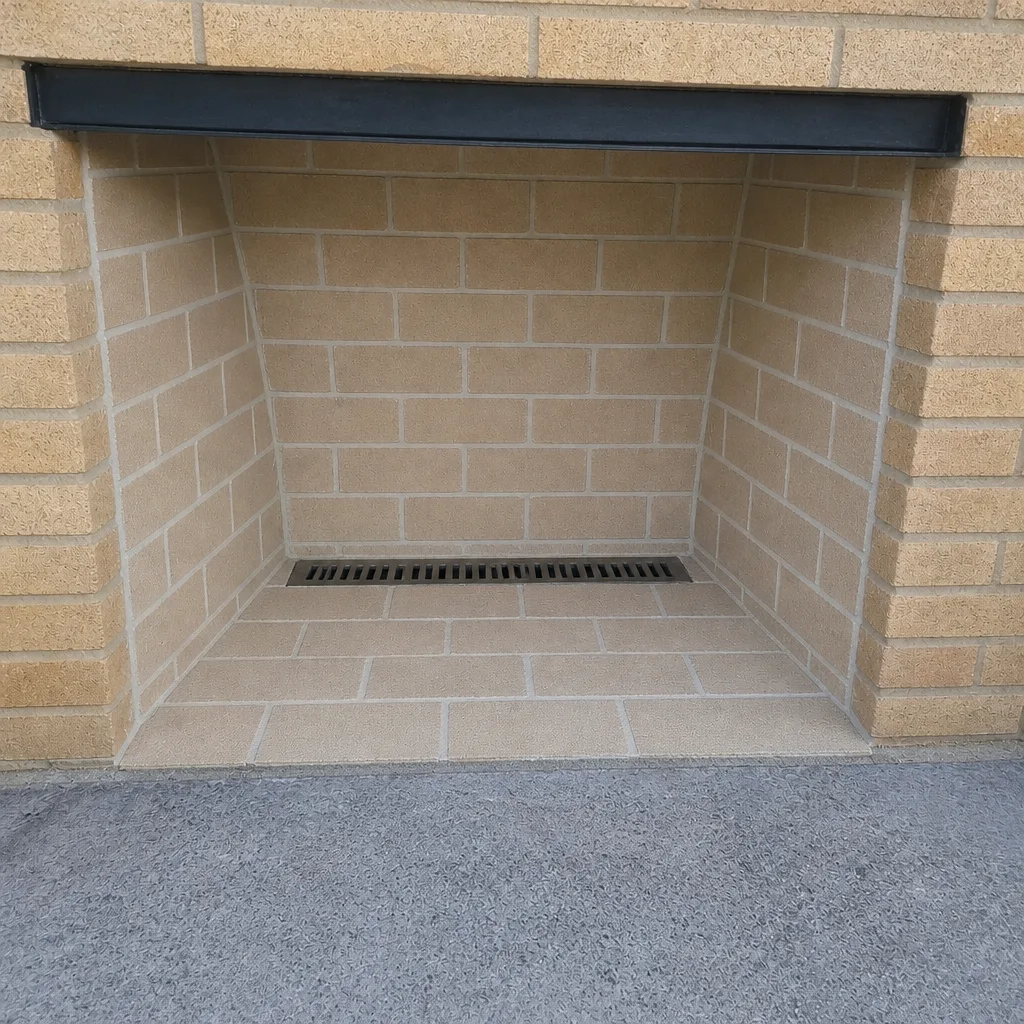
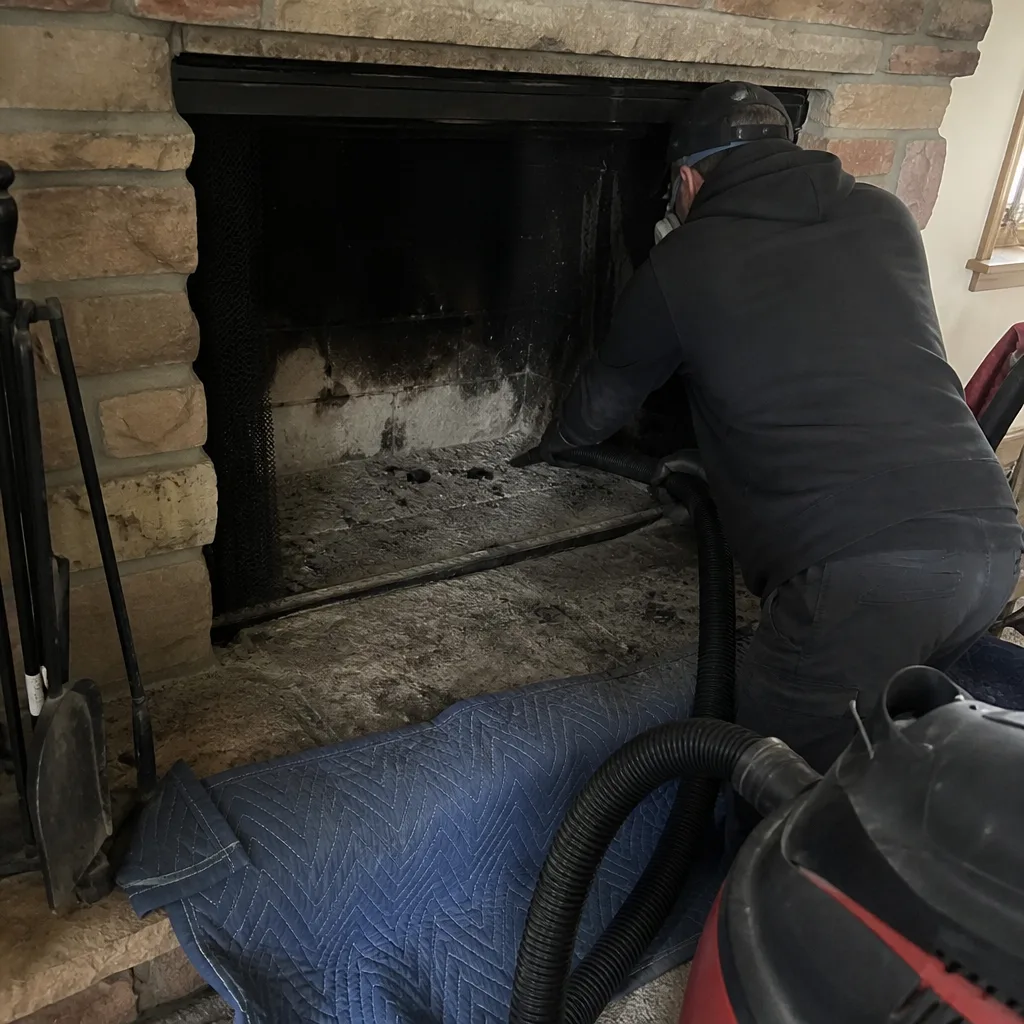
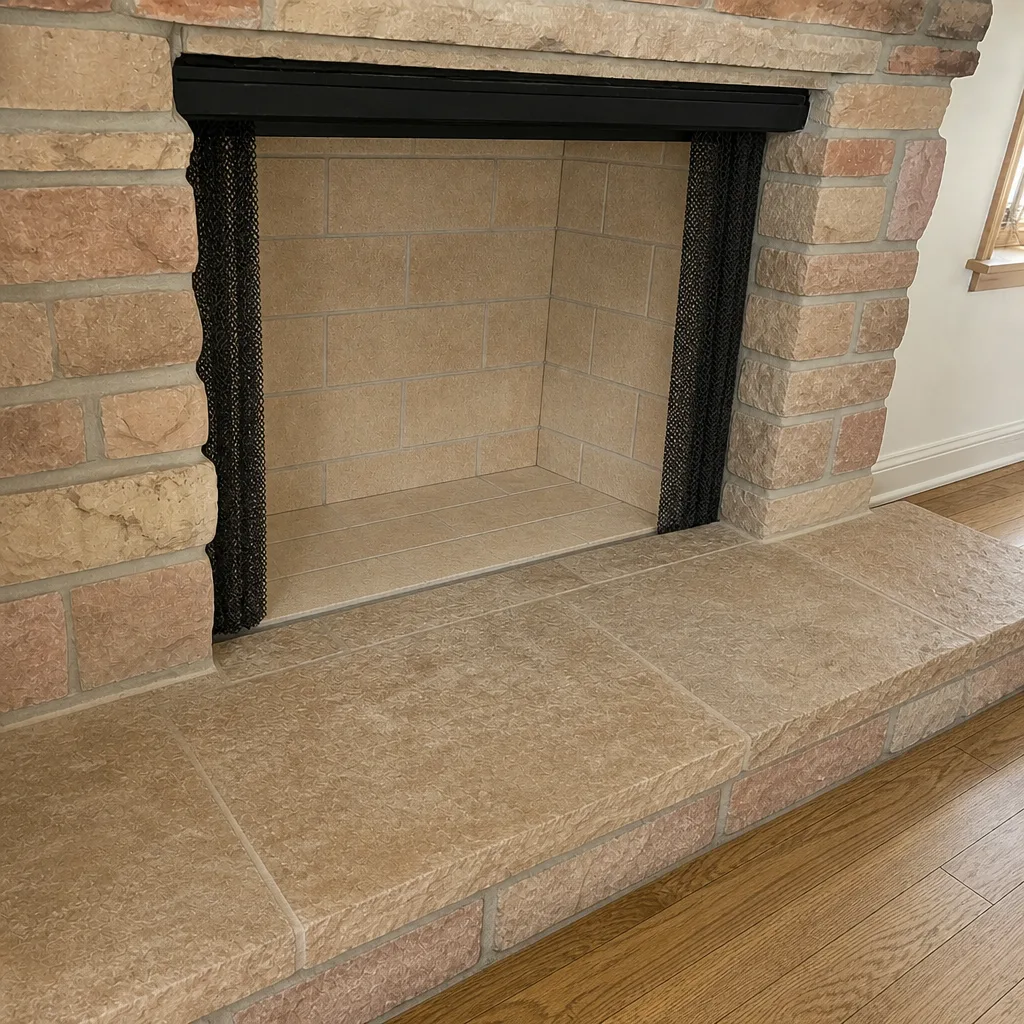
See the difference
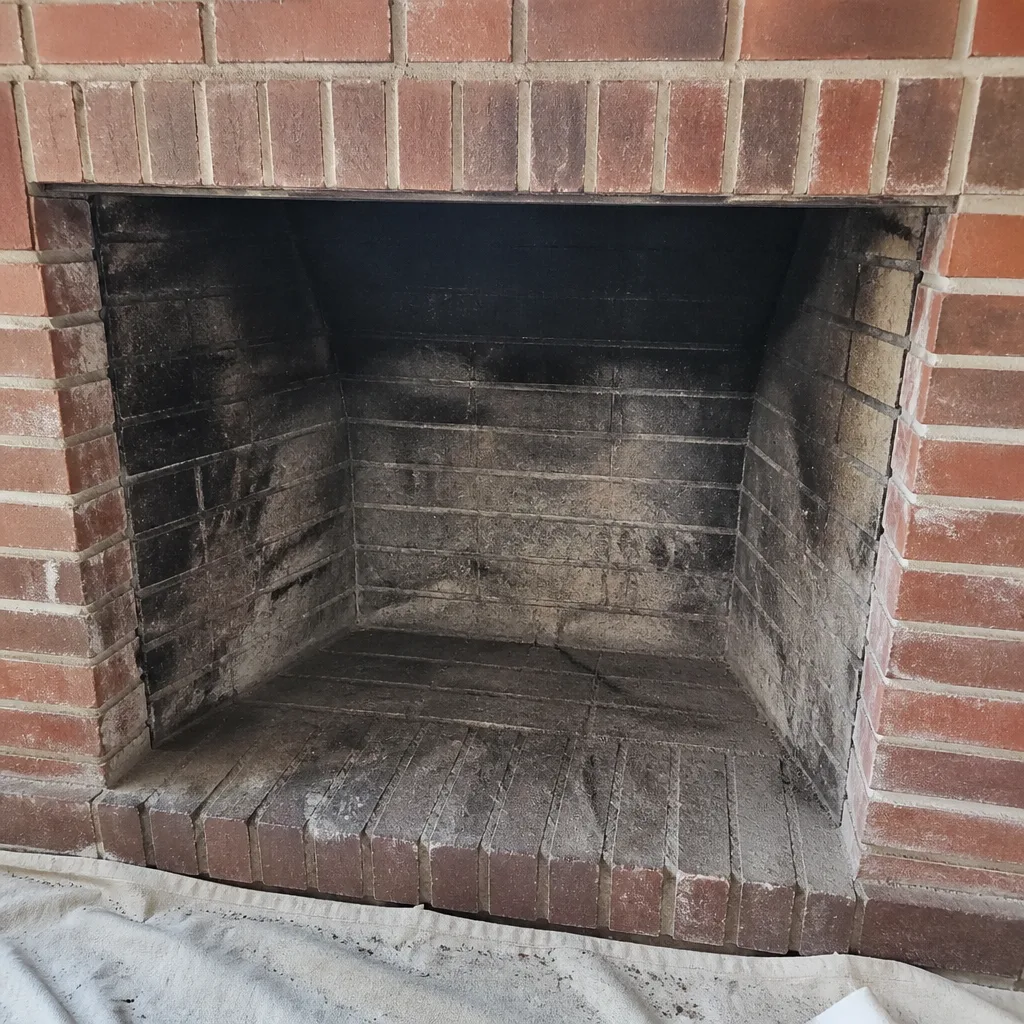 Before
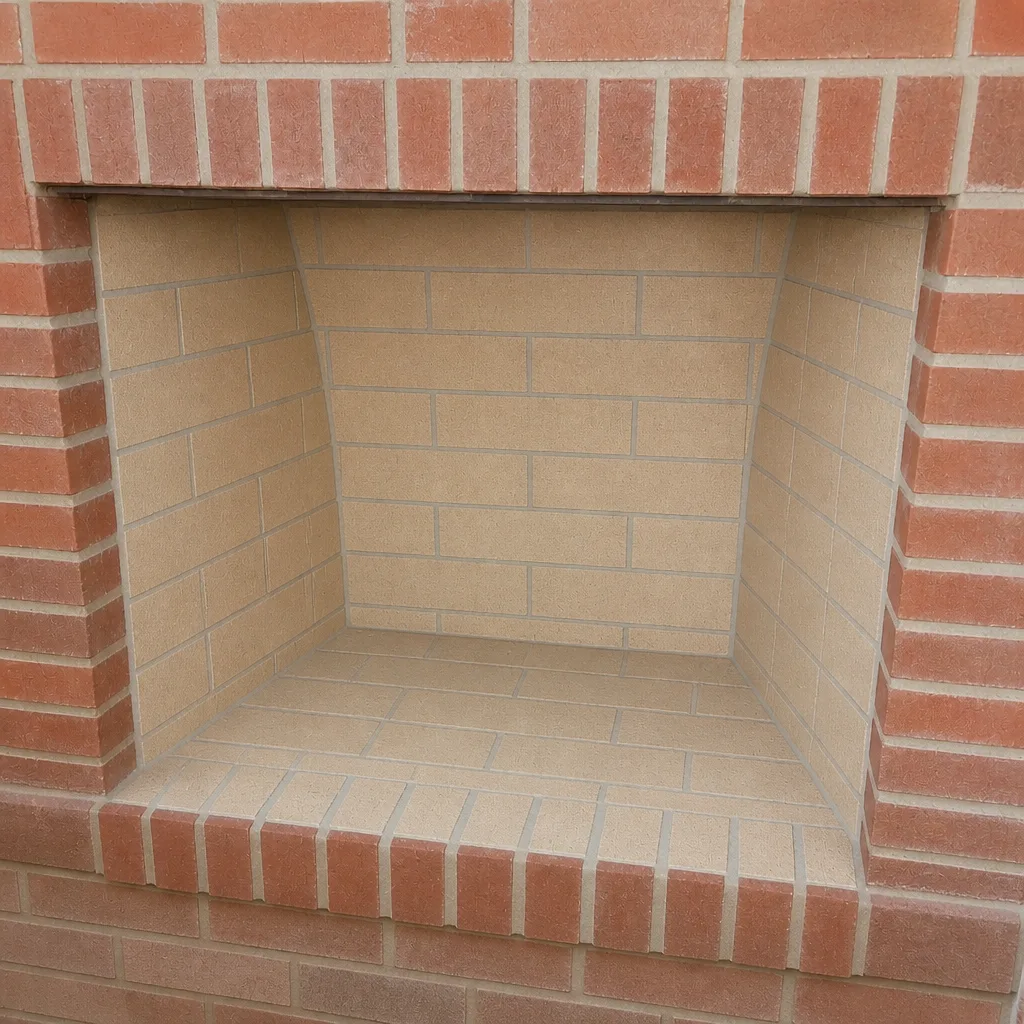 After
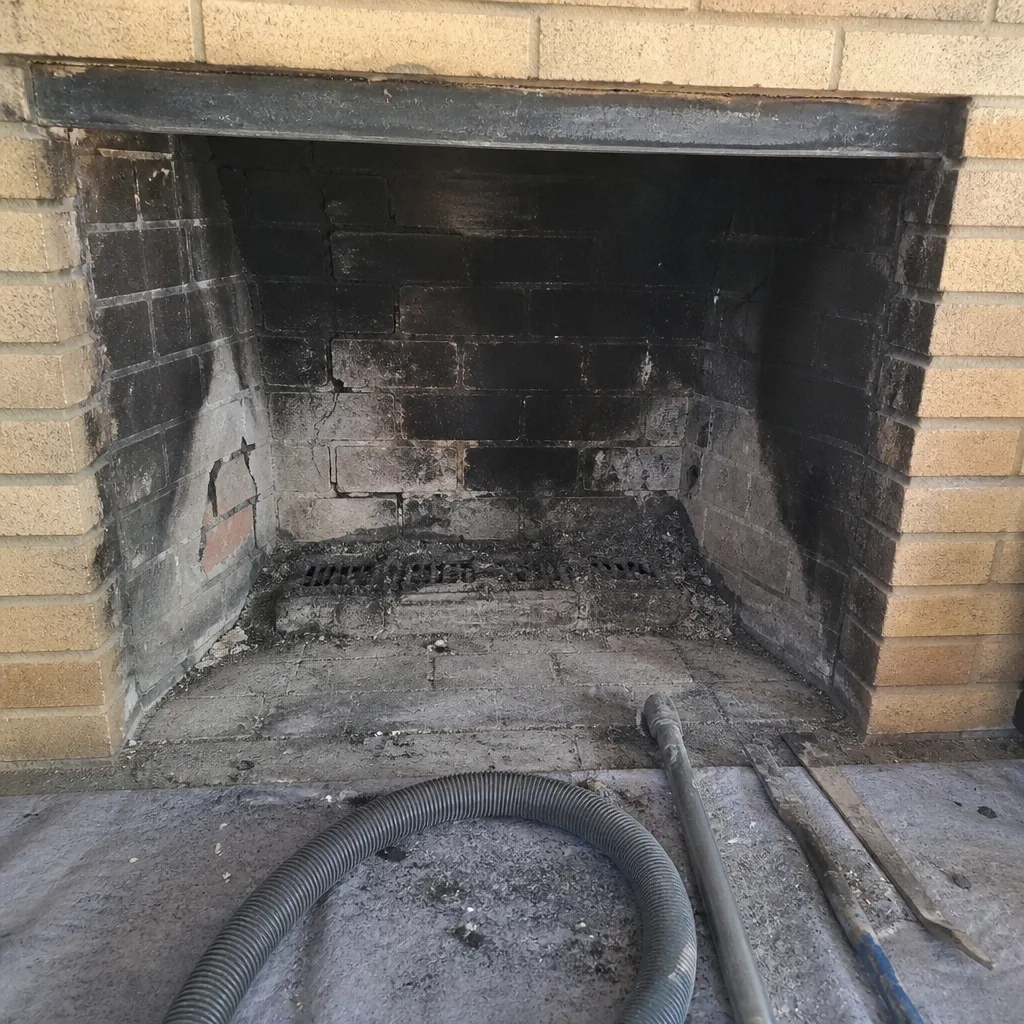 Before
 After
 Before
 After
Common Mistakes to Avoid
- Sweeping the flue and calling it an inspection. A brush cleans a flue; it doesn’t evaluate a liner. If you want to know the flue’s condition, you need a camera, whether from us or from another sweep.
- Judging creosote stage by color in a photo. A photo of the flue wall can’t tell Stage 1 from Stage 2 reliably. Under Northglenn’s cool-burn conditions the deposits can look light while being hardened, so let trained eyes and a camera settle it.
- Climbing the roof with a ladder and a brush. This is the actual injury risk in DIY chimney work, and it’s not about the flue. Roof pitch, morning frost, and gutter lines make a fall plausible even on a “simple” chimney.
- Assuming a clean-looking firebox means a clean flue. The flue is above the firebox and out of sight. The dirtiest part of the system is almost always the part you can’t see from the hearth.
- Skipping the camera because the sweep was already done. A sweep and an inspection are two steps, not one. A yearly sweep without a camera record leaves the homeowner without proof of condition, which matters at insurance time and at resale.
- Treating a rusted or missing cap as a cosmetic issue. The cap and crown keep water out of the flue, and water is the leading cause of long-term chimney deterioration in Northglenn’s freeze-thaw winters. A rusted-through cap is a call, not a note.
- Ignoring small mortar and crown cracks in the spring. Northglenn’s swings between freezing and thawing widen those cracks, and by the next season what was a hairline is a problem. Catch them in spring and the fix is smaller.
If you suspect that last one and you’re not sure whether what you’re seeing needs repair or just resealing, that’s a standard call. We can look at a crown or a mortar joint and tell you whether it needs work now or can wait. We do the same for fireplace repair on the firebox and damper side.
When to Call a Professional
Some scenarios clearly favor a professional call over a brush kit. If you’ve never had the flue inspected by camera, you don’t actually know its condition, and a baseline camera inspection is worth doing regardless of how tidy your own sweeping is. If your fireplace has had steady use for a full heating season, the creosote has been building, and the volume is worth checking. If you smelled a smoky odor in the firebox or the room after a fire in a flue that was closed off, that’s a draft problem worth diagnosis. If your cap is rusted or missing, or the crown has visible cracks, that’s moisture getting in and worth a visit. If a home inspection flagged the chimney or you’re selling a Northglenn house, a documented inspection keeps the transaction moving. And if you’ve been told by another sweep that “something looks wrong” and weren’t given a fix, that’s exactly the gap we fill.
Chimney Sweep Northglenn offers free estimates in Northglenn. Our technicians have up to 8 years of experience and we handle the sweep, the chimney sweep service, the fireplace repair, the chimney repair, and the cap and crown work all under one company. Call (866) 616-5448. We answer 24/7. Fast dispatch from 7am to 7pm, Sunday through Friday.
Frequently Asked Questions
A standard chimney sweep in Northglenn is priced per job by a written estimate, and the estimate is free. Pricing depends on the flue length, the creosote stage, and whether the chimney is wood-burning or gas, so the written estimate sets the final number. Call (866) 616-5448 for an exact quote.
It often can be repaired. Cracks and deterioration in flue tile can frequently be resurfaced with a heat-cured material applied to the existing liner rather than replaced outright. We use HeatShield for that exact application, and we’ll tell you honestly when a resurfaced liner is the right answer and when a replacement with a flexible liner like DuraFlex is warranted. Nothing gets recommended without camera footage you can see for yourself, and we’ll say plainly when work can safely wait.
Once a year for a chimney in regular use, and more often if you burn heavily or notice a lot of buildup. A yearly professional sweep and inspection is the baseline for a Northglenn fireplace, and it’s the schedule most insurers and home inspectors expect to see. The yearly camera check is also how you catch a liner issue before it turns into a repair.
Creosote builds up and hardens into the more combustible stages, and a chimney fire becomes a real possibility in a flue that would have been just a sweep. Liner cracks go unnoticed because nothing was looking for them, and slow water damage from a failed cap or crown grows season to season. None of that is meant to scare you, but it’s why a yearly visit matters. Call (866) 616-5448 and we’ll tell you what condition your flue is actually in.
You can safely brush loose soot between professional visits, and doing your own firebox ash removal and damper checks is genuinely useful. What a brush can’t do is identify creosote stage, inspect the liner with a camera, or assess the smoke chamber. If you want to know your flue’s condition, a professional visit is the way to find out. We’ll show you the footage, so the decision is yours and not our word for it.
Policies differ, so ask your own carrier what they expect. What we can tell you is that a documented professional inspection creates a record that the chimney was maintained, which is a stronger position if a claim ever arises. A camera inspection, a written report, and a yearly record are worth keeping in the house file. Call (866) 616-5448 for an inspection that gives you exactly that documentation.
The Bottom Line
DIY chimney work has a real place in the schedule: ash removal, exterior cap and crown checks from the ground, damper testing, and the incense draft test all belong in the homeowner’s column. The flue cleaning and the condition assessment belong in the professional’s, because the camera is what turns a sweep into a diagnosis and the creosote stage is what decides the method. In Northglenn, cool winter burns and freeze-thaw swings make both the creosote question and the moisture question worth checking every year. The safest and most cost-effective routine is honest DIY maintenance between visits and a yearly professional sweep and inspection with a camera and a written record.
We’re a full-system chimney company, so the sweep, the inspection, the liner resurfacing with HeatShield, the flexible liner work with DuraFlex, and the cap and crown are all handled by the same team. From the firebox to the crown, every part of your chimney system. Professional-grade materials, straightforward work, and a report you can see. If you’re ready to know what’s actually in your flue, call (866) 616-5448 for a free estimate. We answer 24/7, with fast dispatch from 7am to 7pm, Sunday through Friday.
Written by the team at Chimney Sweep Northglenn.