
Last updated November 24, 2026
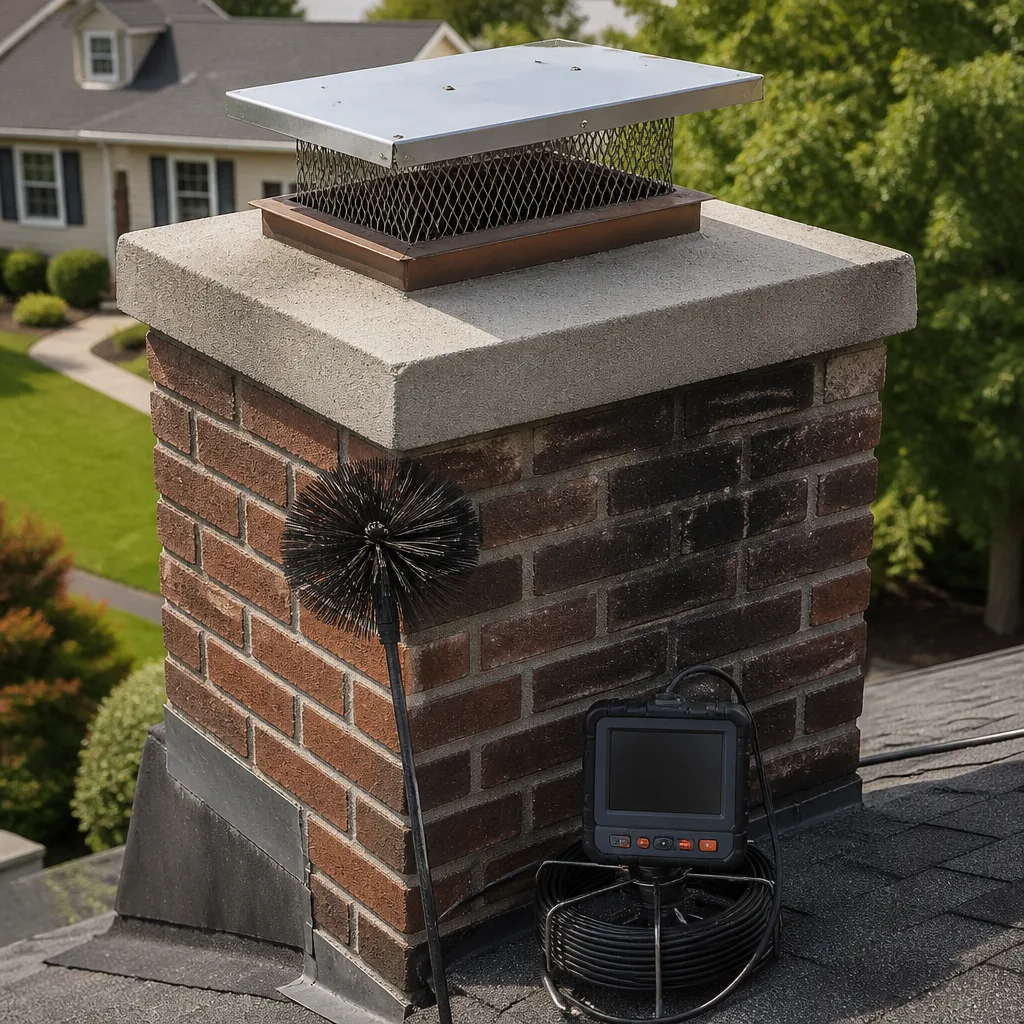 Sweep & inspection
 Caps & crowns
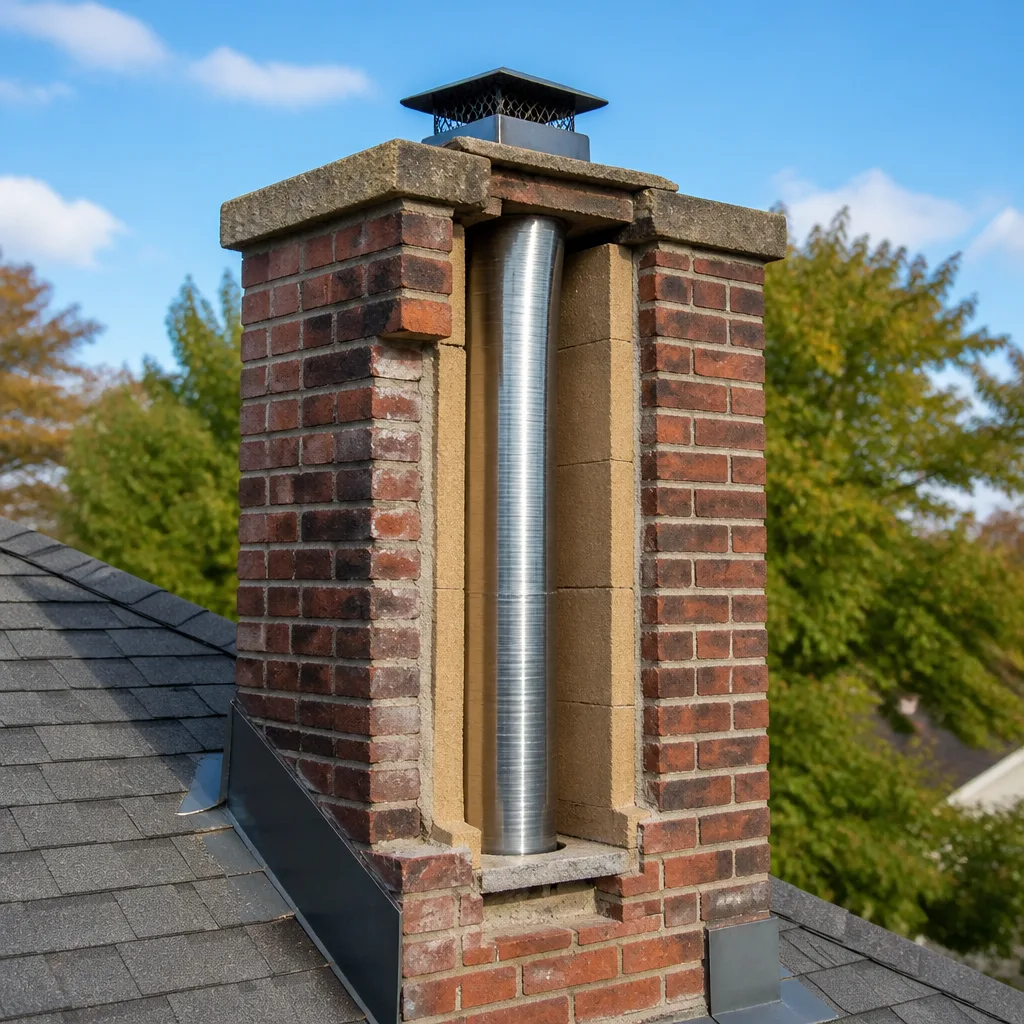 Flue relining
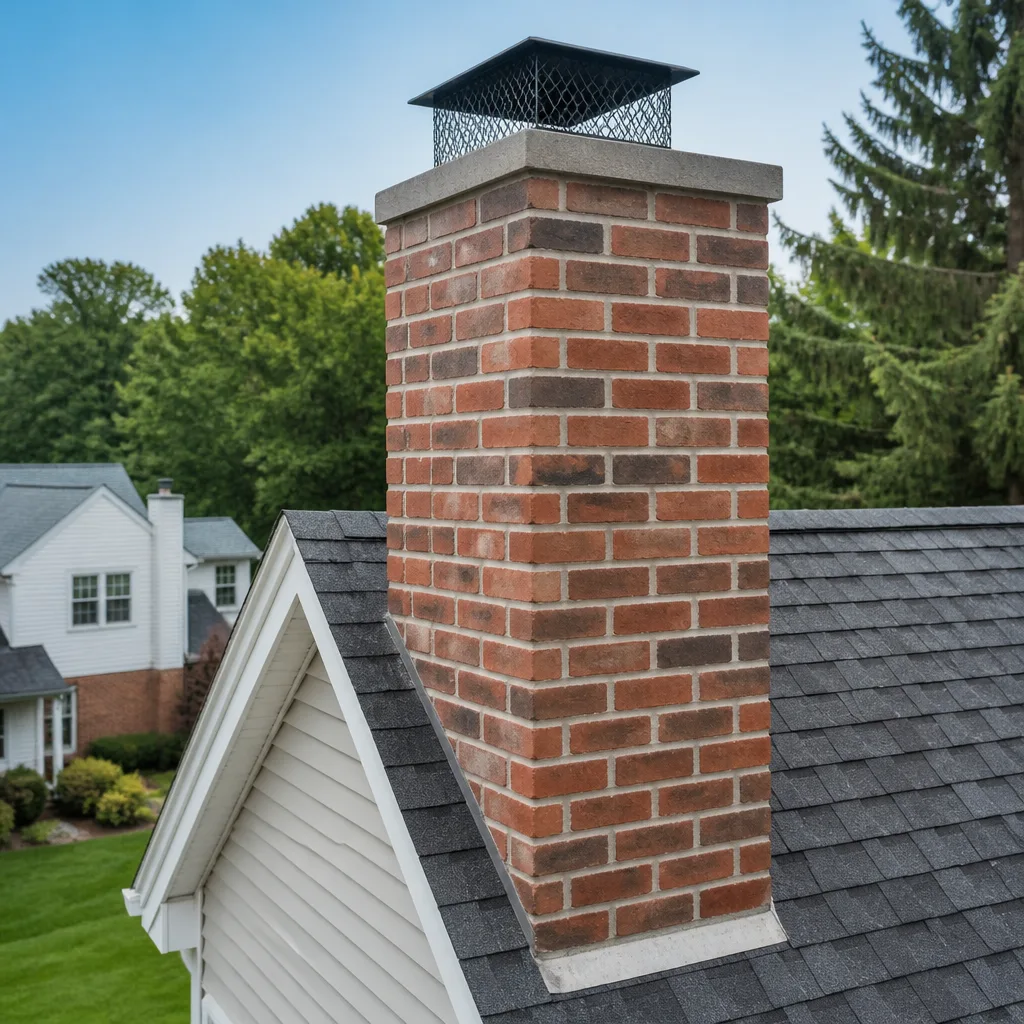 Masonry repair
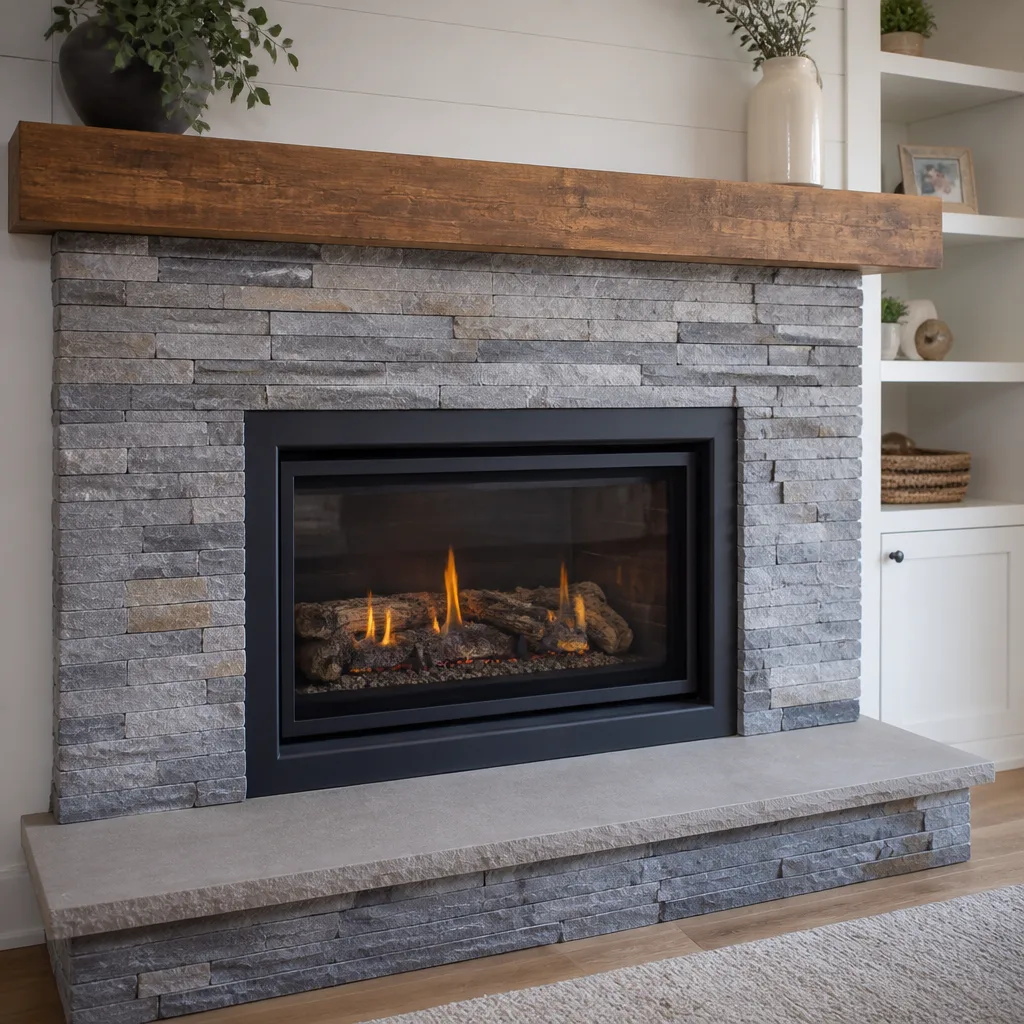 Gas fireplace service
Level 1 sweep and inspection to the NFPA 211 annual standard - flue, crown, cap, and flashing checked and photographed
Chimney sweep logs do not sweep chimneys. They loosen some creosote - which then falls where a brush and vacuum still have to collect it.
Choosing the Right Chimney Cleaning Brand: A Buyer’s Guide for Northglenn
There’s no consumer-facing rating system for chimney cleaning products. Nobody hands out stars to a rotary rod system or a HEPA vacuum, and no label at the hardware store tells you whether the brush on the shelf is the same spec a working chimney professional loads into a van. That gap matters more than most homeowners realize, because the products a chimney contractor chooses shape the outcome of every visit, from how much soot actually leaves Northglenn homes to whether a crown repair survives the freeze-thaw loop of a Front Range winter. In this guide, we’ll walk through the product categories that separate professional chimney work from commodity cleaning, name the manufacturers that signal real trade supply sourcing, show you how to ask the right questions, and explain what a vague answer actually tells you.
Quick Answer
The right chimney cleaning “brand” isn’t a single company name; it’s the combination of professional-grade tools, containment equipment, inspection cameras, and repair materials a contractor uses. In Northglenn, look for a contractor who can name specific trade manufacturers for cleaning, inspection, and repair, and who uses dedicated liner and crown products rather than generic corner-store substitutes. Ask what they stock, why they chose it, and how it performs on Front Range masonry.
Styles & brands we work with
- Sweep & inspection
- Caps & crowns
- Flue relining
- Masonry repair
- Gas fireplace service
Table of Contents
- Why Chimney Products Have No Consumer Rating System
- The Four Product Categories That Separate Pros from Commodity Cleaners
- Manufacturer Names Worth Knowing in the Trade
- Chemical Creosote Treatments: What They Do and Don’t Do
- How to Ask a Contractor What Brands They Use
- Crown Sealants and Chase Covers in Northglenn’s Climate
- Why the Inspection Camera Comes Before the Product Choice
- Northglenn-Specific Considerations for Product Selection
Why Chimney Products Have No Consumer Rating System
Most home improvement categories have a shortcut. Paint has a Consumer Reports score. Appliances have an energy rating. Chimney brushes, rotary heads, and crown sealants have none of that. There’s no standard labeling on a chimney brush that tells a homeowner whether the bristles are rated for the liner material in their chimney, and no certification sticker on a tube of crown sealant that says it will last a decade in a climate like Northglenn’s. This is a trade category sold almost exclusively between manufacturers and working professionals, which means the homeowner usually learns what they need to know by asking the right questions.
Northglenn sits in a place where that question matters more than it might elsewhere in the country. We get dry summers with intense UV, and we get winters that swing above and below freezing repeatedly through the season. A sealant that weathers fine in a mild climate can crack within two winters here. A brush that’s built to a lighter spec can round off corners on a masonry flue. And a vacuum that isn’t HEPA-rated can leave fine ash suspended in the living room air an hour after the technician leaves. None of those failures show up on a product label. They show up in the results months or years later.
What this means for you as a Northglenn homeowner is simple: product knowledge is the substitute for a consumer rating system. When you ask a chimney contractor what they use and why, you’re essentially asking them to demonstrate their own quality control. A contractor who can name their equipment and explain the reasoning is telling you something worth hearing. One who can’t is telling you something too.
The Four Product Categories That Separate Pros from Commodity Cleaners
Chimney work isn’t one product. It’s four distinct categories of equipment and material, and it’s rare for a company to be strong in all four by accident. The professional-grade versions of these tools cost meaningfully more than the retail equivalents, and choosing them signals a contractor who intends to do the work once and do it correctly. In our experience, this is where the real gap between a trade contractor and a hardware-store sweep lives.
1. Rotary rod systems
A rotary rod system turns a spinning brush head inside the flue, which lets a technician clean the full circumference of a masonry or metal liner without relying entirely on wrist and shoulder. The professional versions have sealed bearings, whip-resistant rods in specific flexibility grades, and brush heads matched to liner type. Instead of a standard hand brush that scrubs one arc at a time, a rotary system can strip glaze-stage creosote that hand-brushing often leaves behind. Look for the terminology “rotary cleaning” or “power sweeping” in a contractor’s description of their process.
2. HEPA-rated containment vacuums
This is the category most homeowners never ask about and probably should. A HEPA-rated chimney vacuum holds fine ash and soot in a sealed filter, which is what keeps the dust inside the firebox instead of drifting across your furniture. Retail shop vacuums with aftermarket filters aren’t the same product. If a sweep shows up with a general-purpose vacuum, you’ll typically notice a fine gray dust settling in the room within an hour or two.
3. Inspection cameras
Camera inspection is the difference between a sweep who tells you the chimney “looks okay” and one who can show you the flue interior tile by tile. Professional camera systems have articulating heads, self-contained lighting, and the ability to record and hand you the footage. That footage is your only real evidence that a repair is or isn’t needed.
4. Liner-rated sealants and coating systems
HeatShield and similar products are formulated specifically for flue liner resurfacing. Crown and chase cover materials are formulated for masonry exterior exposure. Neither category has a meaningful retail-grade equivalent. What you buy on a shelf is not what gets applied to a liner carrying combustion gases at flue temperatures.
Manufacturer Names Worth Knowing in the Trade
You don’t need to memorize a catalog, but learning a handful of trade names gives you a vocabulary to use when you talk to a contractor. These are brands working chimney professionals actually stock and use on the job, and hearing them in a conversation is one of the fastest signals that the contractor buys real trade supply. If a name in this list comes up unprompted while discussing a repair, that’s a good sign. If it never comes up and the description stays at the level of “high-quality materials,” that’s worth asking about.
- Rutland – widely known in the trade for creosote treatments, fireplace cleaners, and stove maintenance products. Their chemical formulations are a standard reference point for creosote management as a supplement to mechanical cleaning.
- SootEater – a recognized name for rotary cleaning systems and flexible rod kits used in professional and serious DIY contexts. The trade-grade versions are the versions that hold up to repeated use.
- HydroFlame – a supplier of chimney and hearth products with a professional trade focus. Their catalog is used by working contractors for a range of cleaning and repair items.
- Lindemann – a professional chimney supply house with a broad trade catalog covering brushes, rods, vacuums, cameras, and hard-to-source parts.
- DuraFlex – well known for flexible stainless liner systems, both new installs and masonry retrofits. Relevant whenever a liner replacement is genuinely needed.
- HeatShield – a specialized liner resurfacing system used to repair cracked flue tiles without a full liner replacement, a capability most sweep-only companies don’t offer.
- Gelco and Olympia Chimney – recognized names for caps, crown components, and related chimney products.
- Famco and Copperfield – additional trade names used in chimney caps and exterior components.
When we talk to a homeowner in Northglenn about a repair, we name the specific product going into the job because we’ve already selected it with the climate and material in mind. HeatShield for a flue tile crack, DuraFlex when a liner replacement is the right call, Gelco or Olympia Chimney components for a chase cover. Nothing is chosen for price; everything is chosen for how it performs on this housing stock. When you ask a contractor what brands they use for a specific job, you’re asking them to show their work, and a professional shouldn’t hesitate.
Chemical Creosote Treatments: What They Do and Don’t Do
Chemical creosote treatments are a supplement to mechanical cleaning, not a replacement. This is the point where some homeowners get talked into the wrong product. A product like Rutland CS-100 is formulated to modify the chemical structure of glaze-stage creosote so it becomes brittle and easier to remove with a rotary brush on a subsequent visit. What it does not do is clean the flue for you. It doesn’t remove soot, it doesn’t substitute for a camera inspection, and it has zero role to play if the creosote is already at a stage where mechanical cleaning will clear it in one visit. Using a chemical treatment without a mechanical sweep afterward is throwing money at a problem the wrong way.
The legitimate use case is specific. When a chimney has developed third-degree glazed creosote (a hard, shiny, tar-like stage that’s resistant to standard brushing), a two-visit approach sometimes makes more sense than one aggressive sweep. The chemical treatment is applied, the chimney sits for a set period to let the product work, and then a rotary sweep removes what it’s loosened. That sequence is careful and specific. It’s not a generic add-on you should accept when the creosote is at a lighter stage.
Here’s the test: ask the technician to explain why a chemical treatment is being recommended instead of a standard sweep. A good answer will reference glaze-stage creosote, mention what the camera showed, and describe the follow-up visit. A bad answer will be vague, or will present the chemical as an alternative to the sweep rather than a preparation for it. If you get the second answer, that’s your signal to ask for a second opinion.
Homeowners in Northglenn who burn wood through the heating season often ask about creosote management between sweeps. The honest answer is that consistent dry firewood, adequate draft, and an annual sweep do more than any chemical treatment. The chemicals are a tool for a specific problem, not a maintenance product. Anyone selling a chemical creosote treatment as your annual chimney care is selling you the wrong product.
How to Ask a Contractor What Brands They Use
The best question you can ask a chimney contractor is a specific one. “What rotary system do you use?” or “What brand of crown sealant would you put on my chase cover?” A professional will have a direct answer, often with a reason attached. Notice whether the answer sounds like a stock inventory catalog, or whether it’s the answer of someone who has used that tool on that material enough times to have opinions about it. The second kind of answer is what you’re looking for.
Here’s the sequence we’d suggest when you’re evaluating a chimney contractor in Northglenn:
- Ask what cleaning method they use. “Do you use a rotary rod system or a hand brush?” A clear answer tells you they’ve thought about equipment. A vague answer (“we use brushes”) leaves you guessing.
- Ask about containment. “Do you use a HEPA-rated vacuum during the sweep?” The answer should be yes, and they should be able to name the general class of equipment without hesitation.
- Ask about inspection. “Do you use a camera to inspect the flue, and will I get the footage or a photo report?” A camera-based inspection with documentation is the standard for legitimate work.
- Ask about repair-specific products. If the conversation turns to a needed repair, ask specifically: “Which liner product would you use and why?” For a crown or chase cover: “What sealant or cover system would go on top?”
- Ask what happens if nothing needs repair. A professional contractor should be willing to tell you “nothing this year, we’ll check again next year.” That answer is the strongest proof of integrity you’ll ever get from a sweep.
Vague answers are a signal. A contractor who says “high-quality materials” or “we only use the professional stuff” without naming anything is either not engaged with the product side of their trade or avoiding the question. Either is worth noting. In our experience, contractors who do serious repair work are proud of the products they use and happy to name them.
- “We use professional-grade brushes.” – Which brand, and what rotary grade?
- “Our sealants are contractor-quality.” – Which material, and what’s the warranty from the manufacturer?
- “We source from suppliers.” – Which supplier, and what categories of product?
- “We’ve been doing this forever.” – That’s a tenure answer to a product question, and it doesn’t tell you what’s going into your chimney.
What you want to hear is the name of a product category, the manufacturer, and the reason. That three-part answer is almost impossible to fake, and it’s what a serious chimney contractor in Northglenn should be able to give you in the first conversation.
Crown Sealants and Chase Covers in Northglenn’s Climate
A chimney crown is a thin concrete cap that slopes away from the flue to shed water. When it cracks, water gets into the masonry below it, freezes, expands, and drives the crack wider. Chase covers work the same way for factory-built fireplace systems. Both are the leading cause of long-term chimney deterioration we see, and both are the category where the difference between a two-year repair and a ten-year repair lives almost entirely in the material spec. In the Northglenn climate, with our UV intensity in summer and repeated freeze-thaw cycles in winter, that difference becomes obvious faster than it does in milder clim… wait, not a climate comparison – redo that close.
A chimney crown is a concrete cap that slopes away from the flue to shed water. When it cracks, water gets into the masonry below it, freezes, expands, and drives the crack wider. Chase covers play the same role for factory-built fireplace systems. Both are the leading cause of long-term chimney deterioration we see, and both are the category where the difference between a two-year repair and a ten-year repair lives almost entirely in the material spec. In the Northglenn climate, with UV intensity through the summer and repeated freeze-thaw cycling through the winter, the difference becomes obvious faster than most homeowners expect.
Here’s what a spec-based crown repair looks like:
- Surface preparation is not negotiable. Any tender of sealant or crown coat on top of a dirty or spalling surface will fail. The old material is cleaned, loose material removed, and in some cases the crown is rebuilt rather than coated.
- The sealant is specified for exterior masonry and freeze-thaw. This is the category where a contractor should name a trade product. A big-box elastomeric caulk is not the same product as a trade-grade crown sealant, and the failure timeline is months rather than years in the UV-heavy Northglenn summer.
- The crown is sloped, not flat. A flat-topped crown holds water and turns every freeze-thaw into a stress cycle. A properly sloped crown sheds water off the sides.
- Chase covers are stainless or trade-spec galvanized. The retail versions of chase covers tend to rust through at the seams within a handful of seasons. A trade-spec cover, correctly fitted, is a permanent fixture.
- The flue hold-down and the cap fit together. The cap, the cover, and the flue assembly should form one weather-tight unit. Gaps in that assembly are where water gets in.
This is the specific product category where we see the biggest variety between contractors working in Northglenn, and it’s the one that pays for the difference most dramatically. A crown that fails in two winters costs more in masonry and interior repair than the difference in materials would ever have cost upfront. Ask the contractor which sealant or cover system they intend to use. If they can tell you the name and the reason, the repair has a chance of lasting.
Why the Inspection Camera Comes Before the Product Choice
No product decision happens in a vacuum. You shouldn’t be choosing a liner product before you’ve seen what the liner actually looks like. The order of operations on a serious chimney job is: sweep, inspect, then decide. A camera inspection with a photo or video report is the foundation everything else rests on, and in our experience, that’s the step most likely to be skipped by a sweep-only contractor who can only recommend a referral rather than a repair.
What a camera inspection should give you:
- Footage or photos of the flue interior, not a verbal description of what the technician saw.
- The location and nature of any defect – a cracked tile at a specific height, a liner section that’s separated, a joint that’s opened up.
- A photo report you can keep, which you can compare against a second opinion if you want one, and which documents the state of the system for a future real estate transaction.
- A clear recommendation with an alternative – if the recommendation is a new liner, ask what the cost of a resurfacing option would be, and why the resurfacing isn’t appropriate here.
We can’t tell you a photo report is standard trade practice across the whole Northglenn market, because it isn’t yet. What we can tell you is that it should be, and that you can ask for one. A contractor who can’t provide a photo or video report is asking you to trust their word on your most expensive repair decision, and that’s a request you don’t have to accept. If a liner is genuinely needed, a professional can show you exactly why, and if you want a second opinion, the footage travels with you. When a repair is proposed, ask to see the evidence before you agree to anything. That conversation is the moment when a serious contractor and a commodity sweep become distinguishable.
Northglenn-Specific Considerations for Product Selection
Northglenn is a Front Range community with a housing stock that spans mid-century brick ranch homes through newer builds, and that range matters for product selection. Older masonry chimneys here often have clay tile liners with original mortar joints that are due for assessment, which is why we see so much HeatShield resurfacing opportunity in the area. Newer factory-built fireplace systems have their own liner and cap specifications, and those don’t take universal parts. A contractor who works only with one product category is going to be a poor fit depending on what’s actually in the home.
Our climate also shapes the answer. Northglenn’s summers are dry with strong UV exposure, and our winters cycle above and below freezing repeatedly. That pattern pushes exterior materials harder than a milder climate would, which is why crown sealant and chase cover selection gets disproportionate weight here. The difference between a sealant rated for exterior masonry freeze-thaw and a generic caulk shows up in Northglenn faster than it would in a place with gentler weather. Homeowners in Northglenn who’ve had a previous crown repair fail within a couple of seasons are usually looking at exactly this problem.
The third local factor is the hail exposure along the Front Range. Hail doesn’t directly affect flue interiors, but it does beat on chimney caps and chase covers. A trade-spec stainless cap with proper fasteners survives a hailstorm; a lightweight retail version often ends up dented, loosened, or with buckled seams that then admit water. If you’ve had hail recently, having the cap and cover inspected alongside the sweep is worth the extra ten minutes.
There’s no local code quirk in Northglenn that overrides what the manufacturer specifies for a product. What the local climate does is raise the bar on which products are adequate. The question isn’t “is this product sold in Northglenn” but “is this product suitable for Northglenn.” That’s a question a professional should be able to answer for every item going into the job.
Common Mistakes to Avoid
- Accepting “professional-grade” without a name. The phrase means nothing without a specific product attached, and it’s the most common way a commodity sweep dresses up retail materials. Ask for the name and the reason. If neither arrives, that’s your answer.
- Approving a liner replacement before seeing the camera footage. This is the single most expensive mistake in the category. A legitimate repair comes with a photo or video report you can see for yourself, and no serious contractor will resist showing you.
- Using a chemical creosote treatment as a substitute for a mechanical sweep. A treatment like Rutland CS-100 has a real, narrow role, and it comes before the sweep, not instead of it. Anyone marketing it as annual maintenance is selling the wrong product.
- Buying a retail crown sealant because it’s cheaper. The Northglenn summer UV and winter freeze-thaw cycle punish a retail sealant quickly, and the masonry repair downstream costs considerably more than the material difference. A failed crown repair within two winters is a product selection problem, not bad luck.
- Not asking whether the vacuum is HEPA-rated. This shows up as a house full of fine ash a few hours after the sweep, and it’s avoidable. Ask the question before the visit, not after.
- Trusting a contractor who only sweeps. A sweep-only contractor who spots a crack will refer you elsewhere, and you’ll pay for a second visit, a second inspection, and possibly a second opinion fee. A full-scope contractor handles the discovery and the repair in one conversation.
- Skipping the sweep because nothing seems wrong. It’s not just that the chimney could be dirty. It’s that the annual sweep is the moment when the camera inspection happens, and the inspection is how you find out that nothing is wrong. Skipping the sweep means skipping the camera inspection, and the camera inspection is the whole point.
See the difference
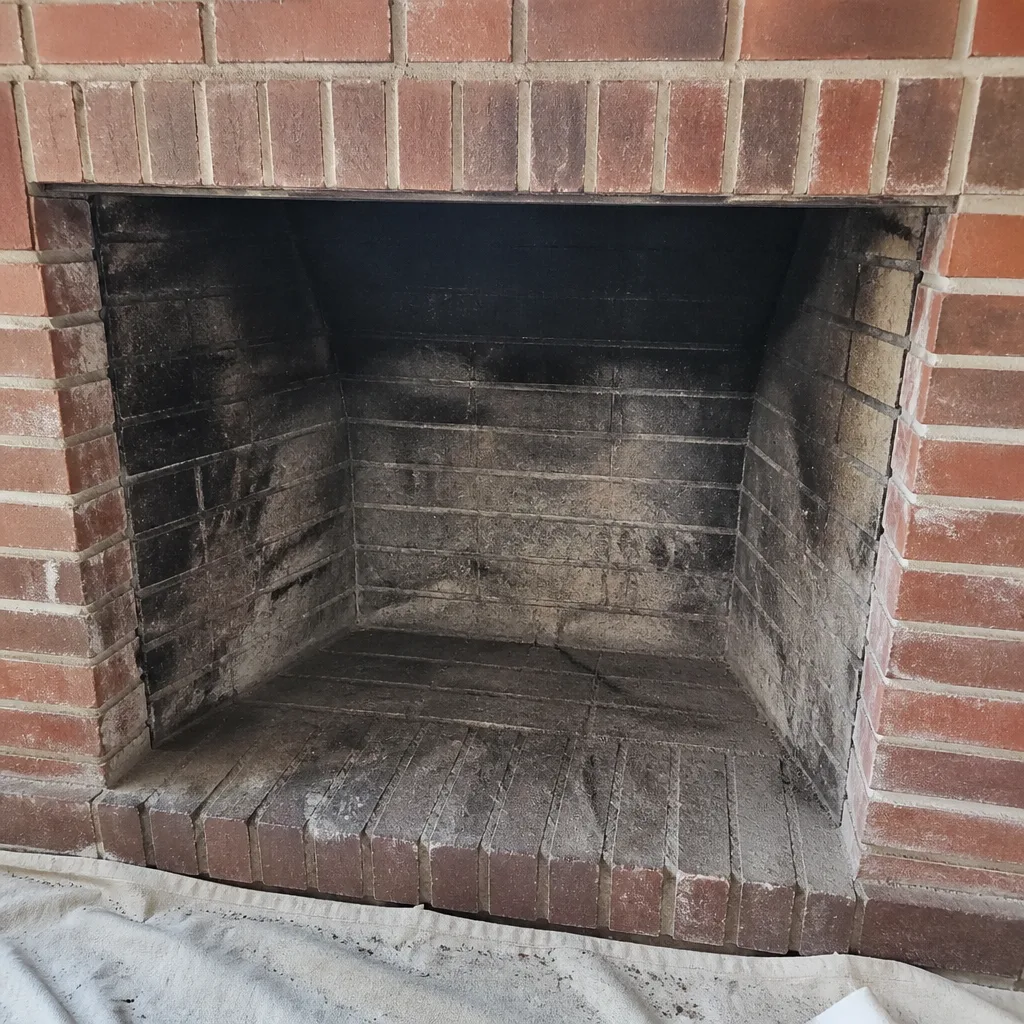 Before
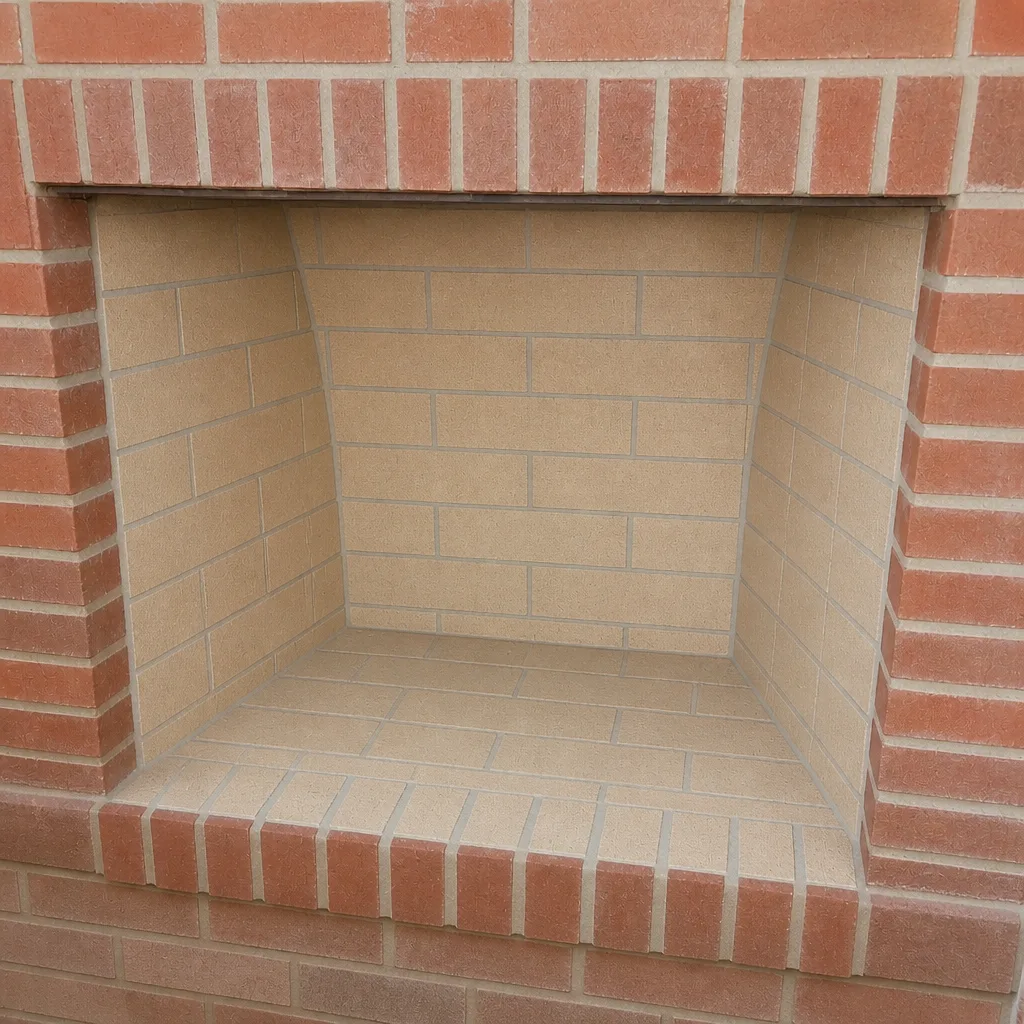 After
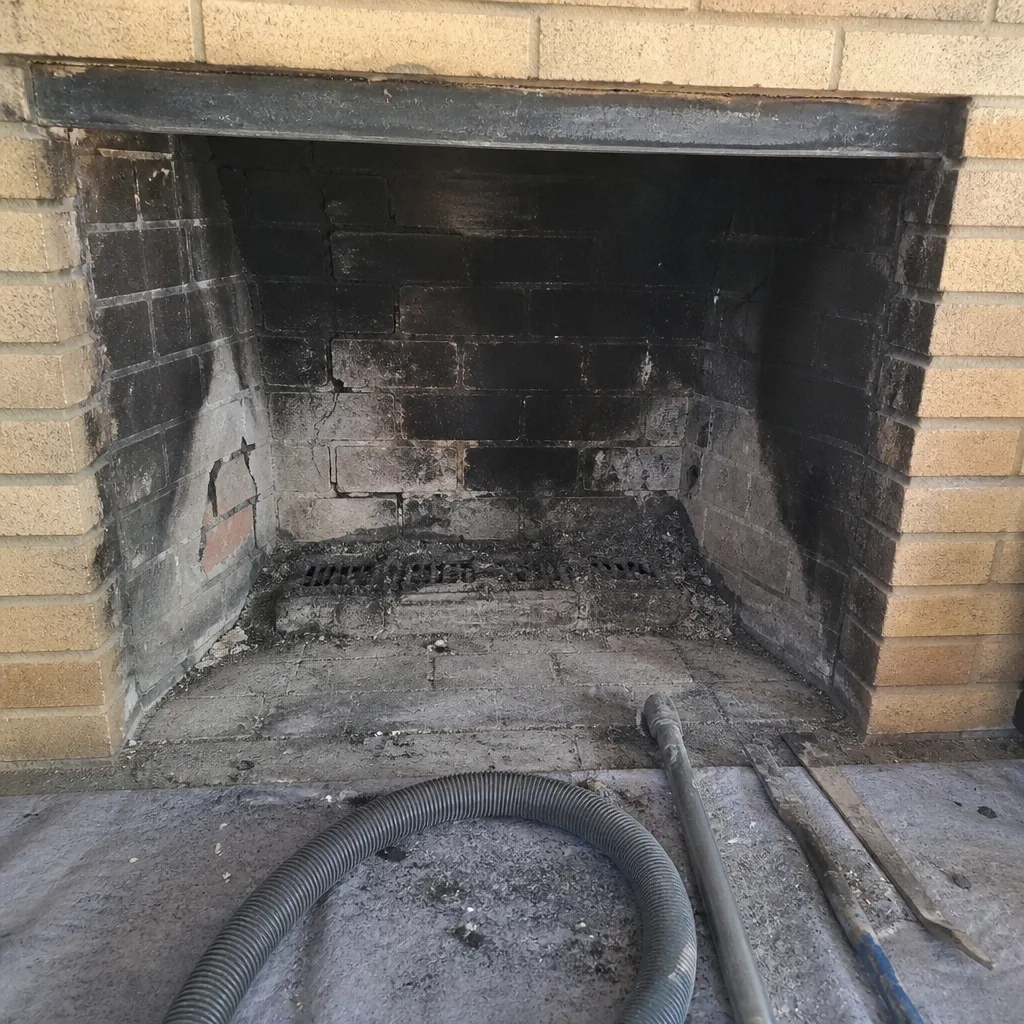 Before
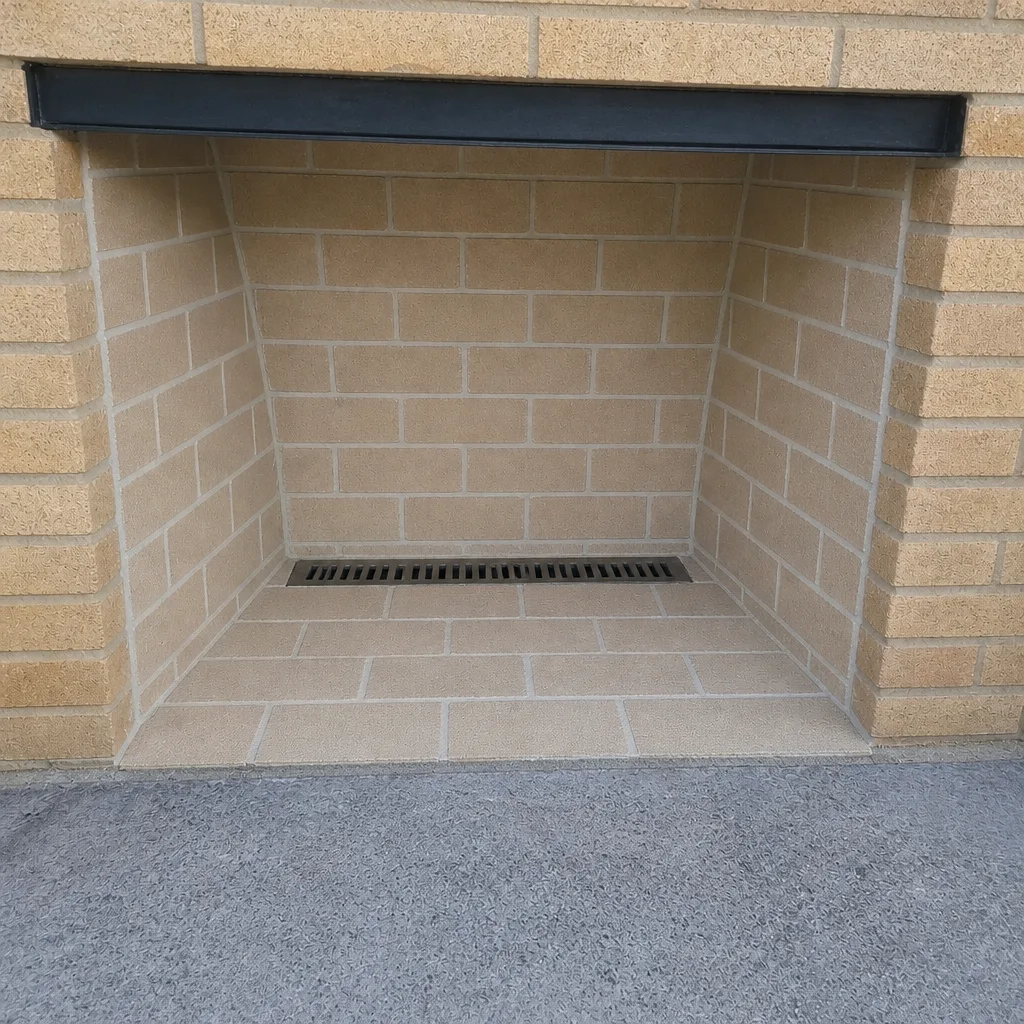 After
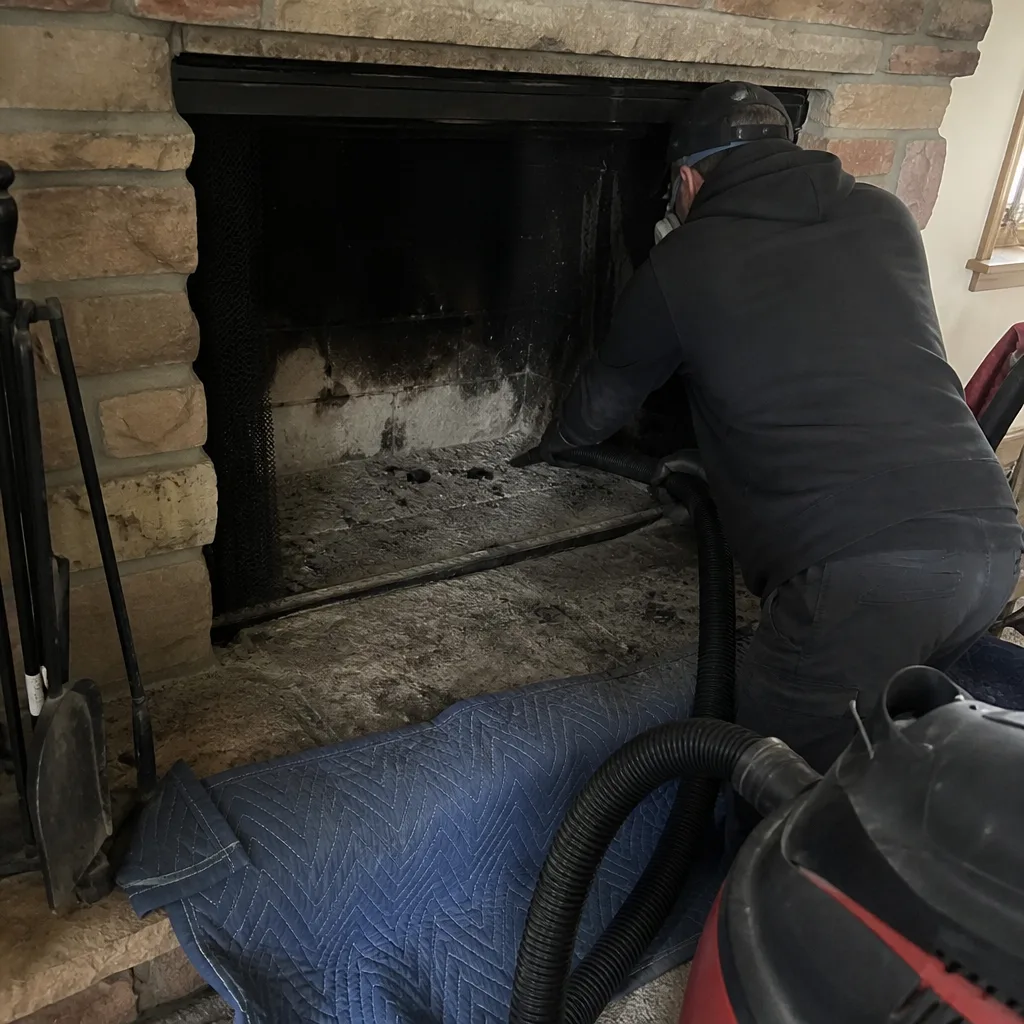 Before
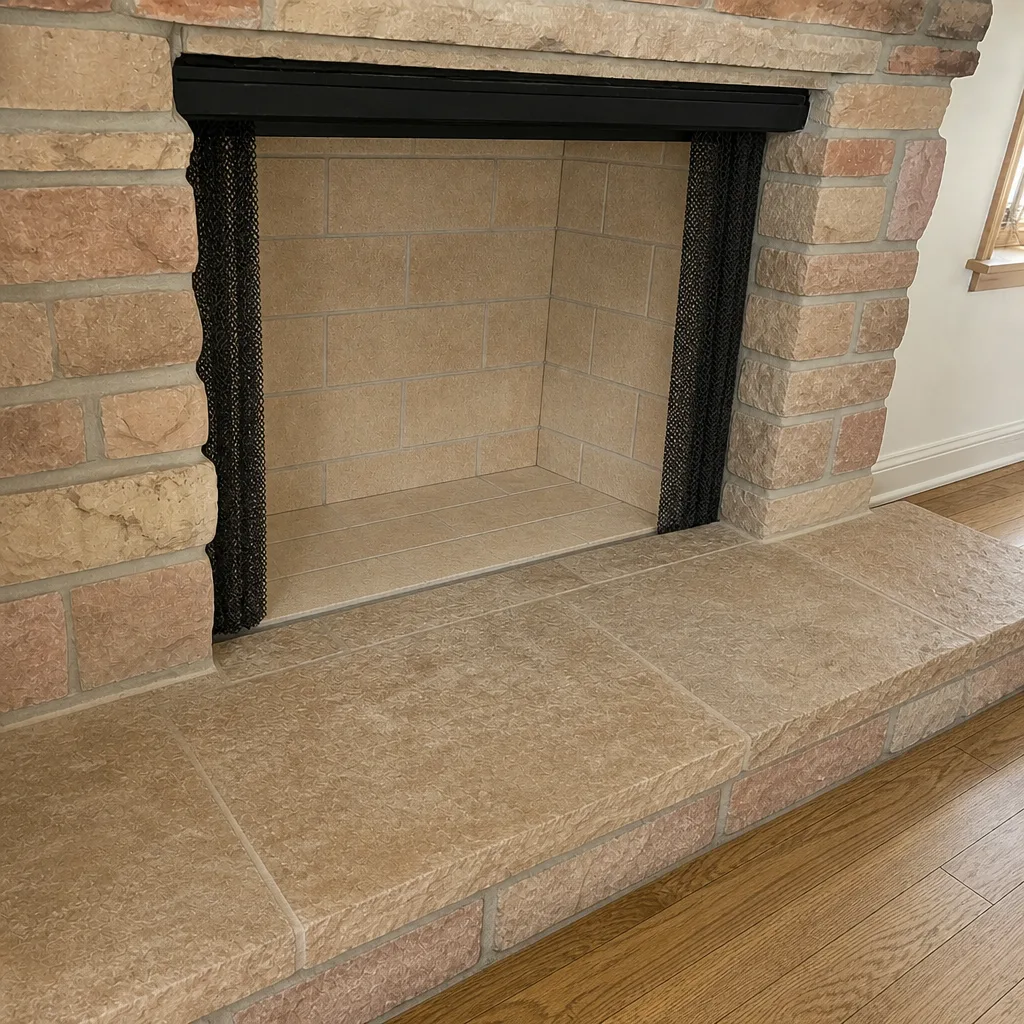 After
When to Call a Professional
You’ve got a specific reason to call if any of these describe your situation: you haven’t had a sweep in over a year and you burn wood through the heating season; your smoke draws back into the room instead of up; you notice a stain on the ceiling or wall near the chimney; you’ve had a hail event and the cap looks dented or shifted; you’re buying or selling a Northglenn home and need an inspection for the transaction; or a sweep has told you “something looks wrong” but hasn’t given you a photo report or a repair plan. Every one of those is a conversation worth having now, and none of them requires waiting until winter.
The full-system approach is what we bring to Chimney Sweep Northglenn. We handle the sweep and the repair, no referrals and no second appointments, using DuraFlex, HeatShield, Gelco, and Olympia Chimney products chosen for the specific job. Our technicians have up to 8 years of experience, the estimate is free, and the price is set per job by the written estimate before any work begins. If a chimney in your home doesn’t need any repair this year, we’ll tell you that plainly and put it in the report. Chimney Sweep Northglenn offers free estimates in Northglenn – call (866) 616-5448. We answer 24/7. Fast dispatch from 7am to 7pm, Sunday through Friday.
Frequently Asked Questions
Professional chimney contractors source from trade-focused manufacturers rather than retail hardware channels, and the specific names you’ll hear most often include Rutland for creosote treatments and cleaning products, SootEater for rotary cleaning systems, Lindemann and HydroFlame as professional supply houses, DuraFlex for flexible liner systems, HeatShield for flue liner resurfacing, and Gelco and Olympia Chimney for caps and crown components. The specific brand matters less than the contractor’s ability to name it and explain why it fits the job. If a contractor can’t name anything, ask why, and consider a second opinion. Call (866) 616-5448 for a free estimate.
It depends entirely on what the camera shows, and in many cases a cracked flue tile can be resurfaced with HeatShield rather than replaced with a full liner, which is significantly less expensive. That’s a capability most sweep-only contractors don’t offer, and it’s the first alternative to ask about before agreeing to a liner replacement. Ask to see the camera footage, ask whether resurfacing is appropriate, and ask why a full liner would be needed if resurfacing is refused. A professional will walk through both options. Call (866) 616-5448 for a free estimate.
The general rule for wood-burning chimneys is annual, though homes that burn heavily through the heating season may benefit from a sweep mid-season as well. Gas fireplace systems still need inspection on the same annual schedule, even where the flue is not carrying creosote, because the camera inspection is how you catch deterioration before it becomes structural. Skipping a year on a Northglenn chimney means skipping the inspection, and the inspection is where you find out whether the chimney is due for repair or whether it’s genuinely fine. Call (866) 616-5448 for a free estimate.
A chimney crown is the first line of defense against water, and once it cracks, water gets into the masonry below and freezes, expands, and widens the crack further. Northglenn’s combination of intense summer UV and repeated winter freeze-thaw cycling punishes a retail-grade crown sealant quickly, which is why the material spec matters here more than it does in a milder climate. A trade-spec exterior masonry sealant correctly applied to a prepared surface can last considerably longer than a big-box elastomeric caulk, and the cost difference in the repair downstream more than justifies the material difference. Ask the contractor what sealant or cover system they intend to use, and why. Call (866) 616-5448 for a free estimate.
The risk isn’t an abstract one. Creosote accumulates inside the flue with every fire, and at certain stages it becomes combustible, which is why annual mechanical cleaning exists in the first place. Carbon monoxide from a blocked or deteriorated flue is the second concern, and it’s the one that makes the camera inspection matter as much as the sweep. That’s not scare-selling; it’s the reason a sweep and an inspection get scheduled together. If the inspection shows the chimney isn’t due for anything, we’ll say so plainly. Call (866) 616-5448 for a free estimate.
Ask for the camera footage or a photo report, and if it isn’t provided, get a second opinion before authorizing any repair. A vague diagnosis is not a diagnosis, and you’re entitled to see the evidence before spending thousands of dollars on a liner or masonry work. The footage travels with you; you can compare one photo report against another. If the second inspection confirms the repair, you have two professional opinions and documentation behind the decision. If it doesn’t, you’ve saved yourself the cost. Either way, seeing the evidence is the step that matters.
The Bottom Line
The brands behind a chimney contractor’s work tell you more about their standard than anything in their marketing. Professional trade manufacturers exist in every category a typical Northglenn chimney job touches: rotary cleaning systems, HEPA containment, camera inspection equipment, creosote treatments, liner products, crown and cover materials. A contractor who can name the specific product, the trade manufacturer behind it, and the reason it fits your home is telling you they’ve thought about the work. A contractor who stays at the level of “professional-grade” is asking you to trust the label, and the label doesn’t exist in this trade. Ask the questions, read the report, see the footage, and when something needs to be replaced, make sure the replacement is spec’d for Northglenn’s climate and the specific home. That’s the whole guide in one sentence, and it’s the standard worth holding.
Written by the team at Chimney Sweep Northglenn.