
Last updated November 24, 2026
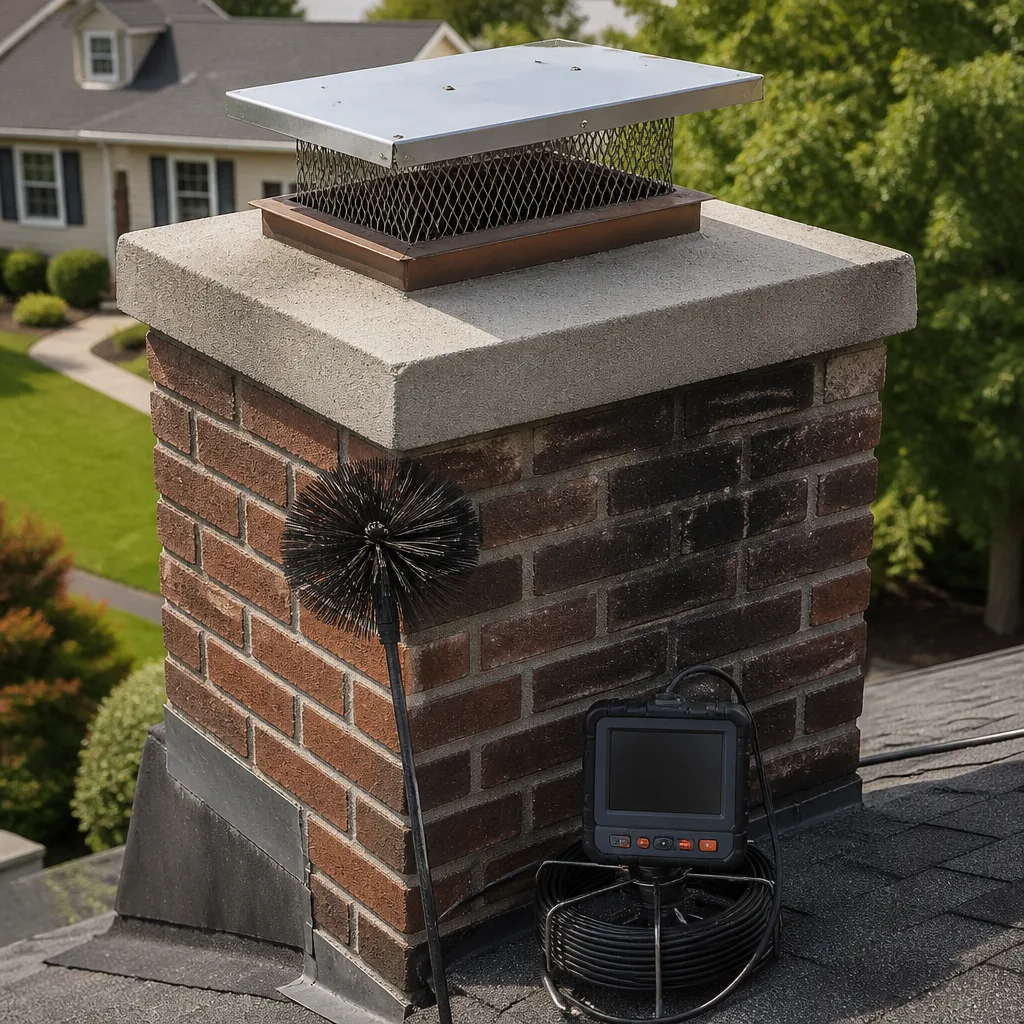 Sweep & inspection
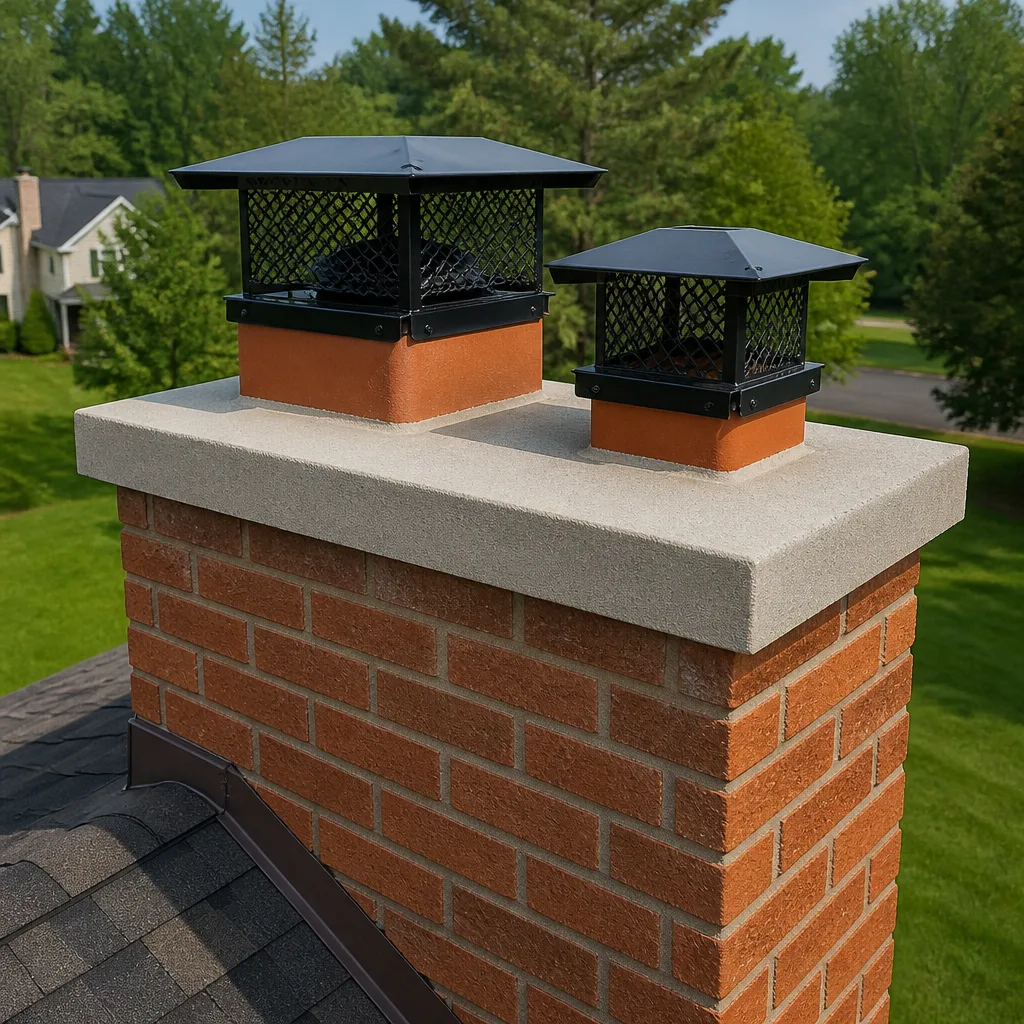 Caps & crowns
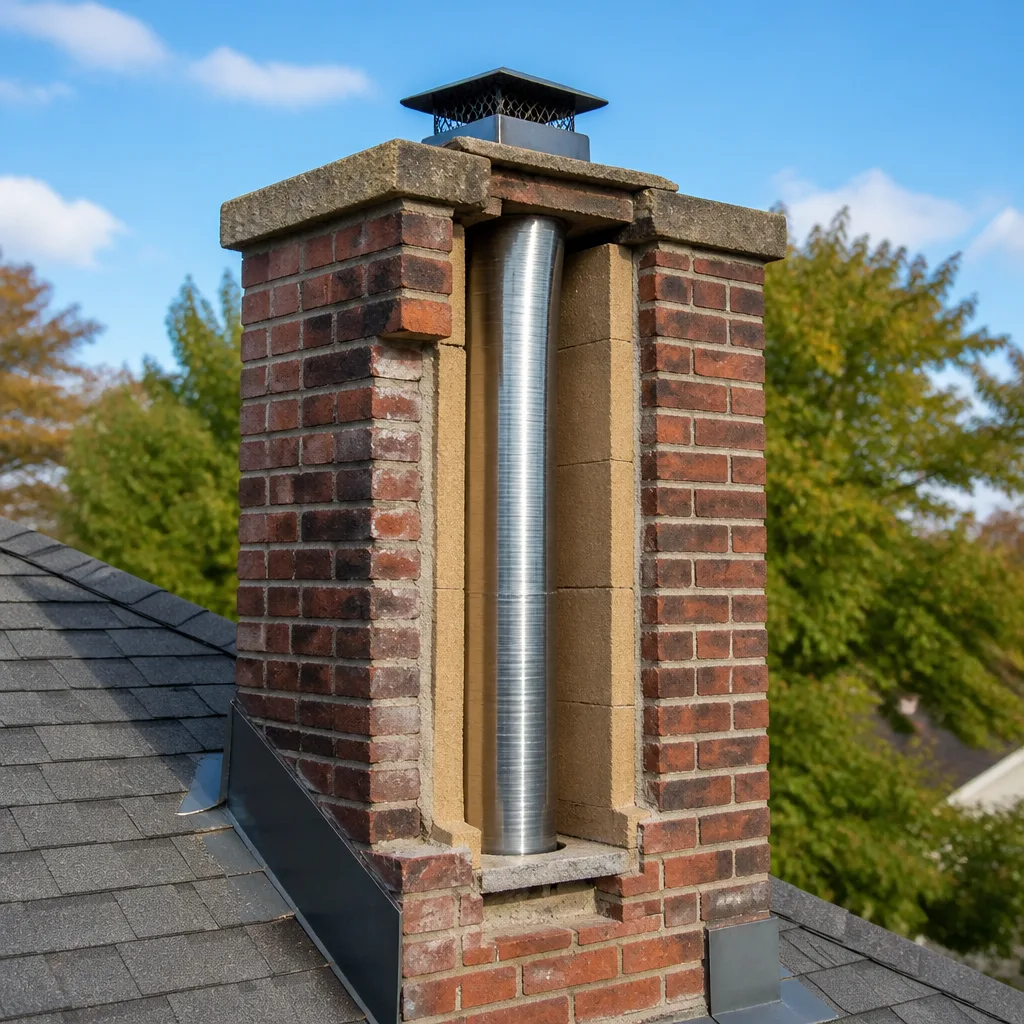 Flue relining
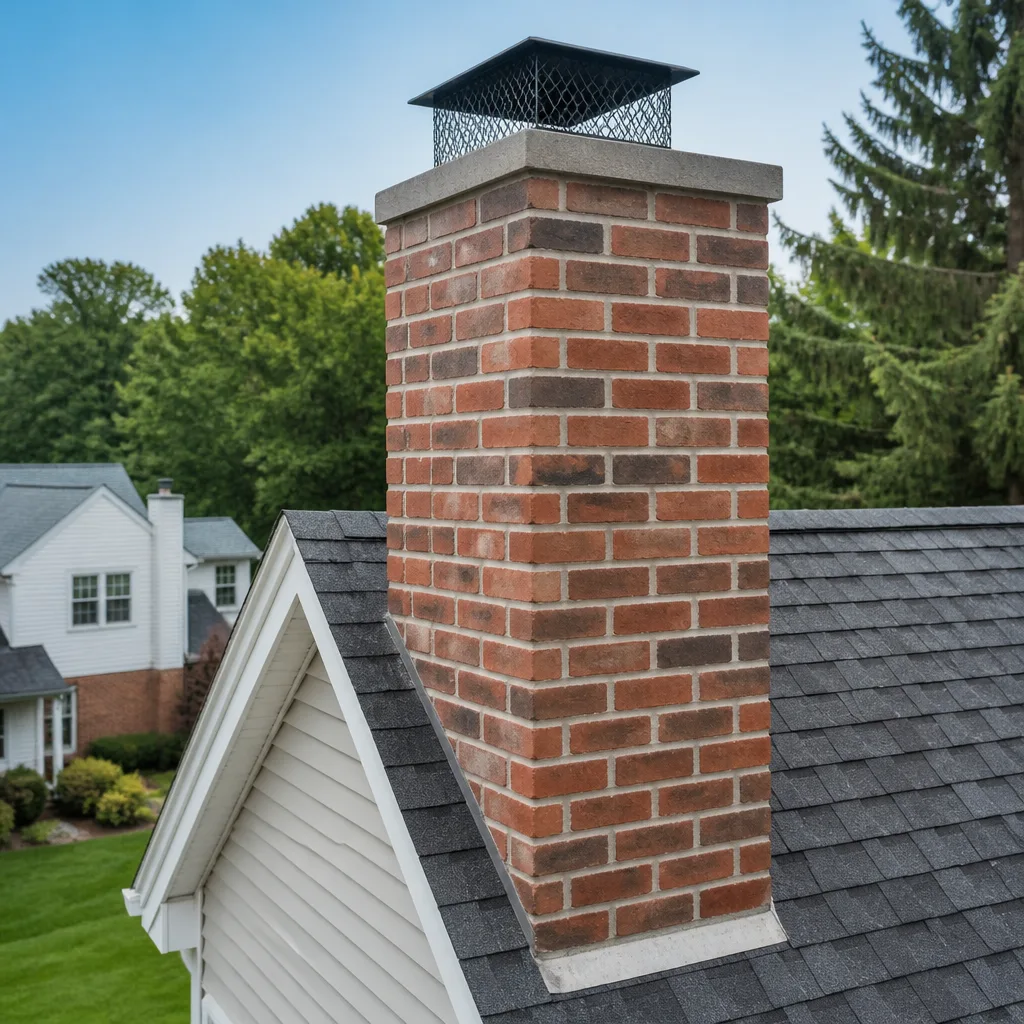 Masonry repair
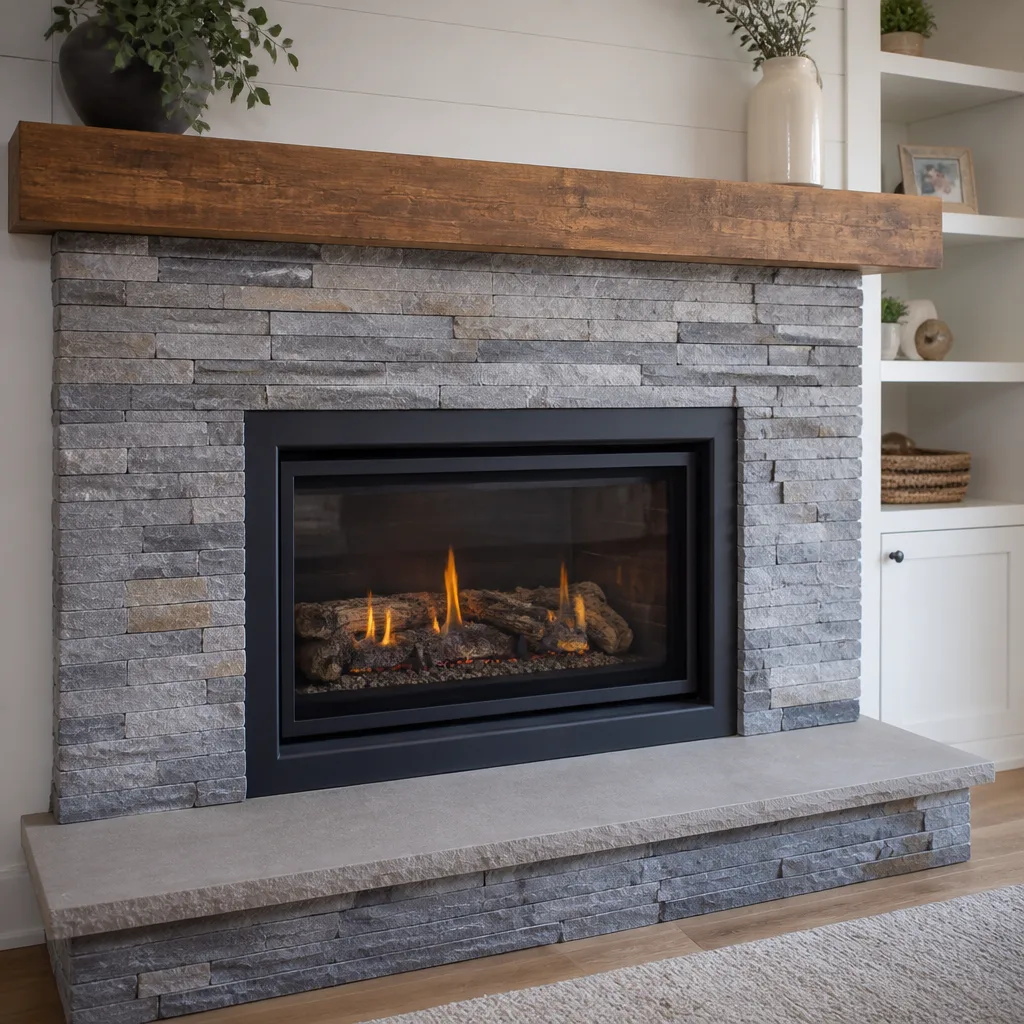 Gas fireplace service
Level 1 sweep and inspection to the NFPA 211 annual standard - flue, crown, cap, and flashing checked and photographed
Chimney sweep logs do not sweep chimneys. They loosen some creosote - which then falls where a brush and vacuum still have to collect it.
Chimney Cleaning Emergency Preparedness Guide for Northglenn Homes
When a chimney fire starts, the instinct to throw a bucket of water into the firebox is exactly backwards. Water hitting a firebox or flue liner that’s already at several hundred degrees can crack the masonry and warp metal through thermal shock, and the structural damage that follows can cost more than the fire itself. What actually matters is knowing what to do in the first four minutes, and which of the three common Northglenn chimney emergencies you’re facing. This guide covers all three, walks through what to do (and not do) while you wait for the fire department, and shows you how to document the aftermath so your insurance claim and repair estimate go smoothly. We’ve also included the pre-season prep that makes all of it easier when it counts.
Quick Answer
During an active chimney fire, close the damper, get everyone out, and call 911; never pour water into the firebox. For a smoke back-draft, open a window near the fireplace and check that the damper is open before you do anything else. For a carbon monoxide alarm during fireplace use, shut the fire down if you safely can, ventilate, leave the house, and call 911 or the gas utility. Every one of these scenarios is far easier to handle if the chimney was swept and inspected before the heating season.
Styles & brands we work with
- Sweep & inspection
- Caps & crowns
- Flue relining
- Masonry repair
- Gas fireplace service
Table of Contents
- The Three Chimney Emergencies Northglenn Homeowners Face
- What to Do During an Active Chimney Fire
- Flue Fire vs. Firebox Fire: How to Tell the Difference
- Sudden Smoke Back-Draft Into Your Living Space
- Carbon Monoxide Alarm Triggered During Fireplace Use
- Post-Emergency Documentation: Photos, Notes, and Insurance
- Pre-Season Emergency Prep for Northglenn Homes
- Common Mistakes to Avoid
The Three Chimney Emergencies Northglenn Homeowners Face
Chimney emergencies in Northglenn follow predictable patterns. Most cluster in two windows: the first genuine cold snap of the season, when fireplaces that sat idle since spring get lit for the first time, and a hard January freeze, when the fire runs longer and hotter than usual. Knowing which scenarios are most likely, and what each one looks and sounds like, shortens your response time when the real thing happens.
1. Active chimney fire. A flue fire is a fire burning inside the chimney itself, fed by creosote that has built up on the inner walls. It often announces itself with a low roaring sound, a vibration you can feel through the wall, and dark smoke or flames at the top of the chimney. This is the most serious scenario and the one where wrong first moves cause the most damage.
2. Sudden smoke back-draft into living space. Smoke that rolls out of the fireplace opening instead of going up the flue usually points to a closed damper, a cold flue that hasn’t warmed enough to establish draft, or negative pressure inside the house. It’s alarming and it can set off smoke alarms, but it is rarely a fire. The right response is different from a flue fire, which is why the distinction matters.
3. Carbon monoxide alarm during fireplace use. A CO alarm sounding while the fireplace is burning means carbon monoxide is accumulating somewhere in the home. CO is colorless and odorless, so the alarm is the only warning you get. Ventilation, evacuation, and a call to 911 or your gas utility come first; diagnosis of the chimney second.
All three have one thing in common: a chimney that has been swept and inspected before the season dramatically lowers the odds of the first one and makes the other two far less likely to go dangerous. Our Chimney Sweep Northglenn team sees the same failure patterns repeat across the city, in older masonry chimneys and newer inserts alike.
What to Do During an Active Chimney Fire
During an active chimney fire, your job is to cut off the fire’s air supply and get everyone out. Water is not the answer, and neither is trying to fight the fire yourself. Here’s the sequence to follow, in order, while the fire department is on the way.
- Close the damper. The damper is the metal plate above the firebox that controls airflow up the flue. Closing it starves the flue fire of oxygen and slows it down. Know where the handle or lever is before you ever need it; in the dark, with smoke in the room, you will not have time to search.
- Close any glass doors or the firebox screen. This contains embers and keeps the fire from spreading into the room if the flue fails.
- Get everyone out of the house. Take people first, pets second if it’s quick, and leave everything else. Call 911 from outside.
- Alert neighbors if the chimney crown is venting flames or heavy smoke. A flue fire can throw sparks onto a roof, and in a tight Northglenn block a heads-up matters.
- Stay out until the fire department clears the scene. Do not re-enter to look at the chimney, and do not light the fireplace again that day.
Why water is the wrong move. A firebox and flue liner at fire temperature are hot enough that cold water hitting the surface can crack firebrick, spall masonry, and warp a metal liner. Those cracks then become a path for smoke and carbon monoxide into the living space. Thermal shock damage can turn a contained chimney fire into a structural repair. The fire department will decide whether water or a dry chemical is appropriate once they arrive; until then, closing the damper and leaving is the correct response.
After the fire department clears the scene, do not use the fireplace again until a professional has inspected the full flue. A post-fire inspection using camera equipment is the only reliable way to know whether the liner survived, and whether a chimney repair is needed before the next fire.
Flue Fire vs. Firebox Fire: How to Tell the Difference
The distinction between a flue fire and a firebox fire changes your response, so it helps to know what each one looks and sounds like before you’re in the middle of it. A flue fire burns inside the chimney itself. A firebox fire is a normal fire in the firebox that has gotten out of hand, or a fire that has spread from the firebox into the surrounding structure. They are different problems.
Signs of a flue (chimney) fire
- A low, rumbling roar, sometimes described as sounding like a distant freight train or a helicopter
- A vibration or pulsing you can feel through the chimney breast or the wall behind it
- Dense smoke, or flames visible at the top of the chimney
- Sparks or embers landing on the roof
- A strong, hot, burning smell in the room that isn’t coming from the firebox itself
- Creosote flakes or pieces of liner material falling into the firebox
Signs of a firebox fire or fire spreading into structure
- Flames confined to the firebox but growing larger than the fuel load should support
- Smoke pushing out around the firebox edges, into the room, or through the mantel seams
- Discoloration or heat you can feel on the wall or mantel surface
- A cracking or popping sound from masonry rather than from the fuel
Why the difference matters. A flue fire is answered by closing the damper to cut airflow. A fire that has spread into the surrounding structure is a house fire and you should not attempt to fight it: evacuate and call 911 immediately. If you are not certain which you’re facing, treat it as the more serious of the two. A professional inspection afterward will tell you what actually happened and what needs to be repaired.
In our experience, by the time a homeowner hears the roar, the creosote load in the flue was already significant. That is why an annual chimney sweep before the season is the single most effective form of chimney emergency prevention.
Sudden Smoke Back-Draft Into Your Living Space
Smoke that rolls out of the fireplace opening instead of going up the flue is a back-draft, and it is rarely a fire. It is usually a pressure or draft problem, and the fix is usually simple. Start with the obvious and work outward from there.
- Check the damper. A damper left closed is the most common cause of smoke in the room. Open it fully before you do anything else.
- Crack a window near the fireplace. Modern homes in Northglenn are tight, and tight homes resist the airflow a chimney needs. A slightly open window on the same wall often restores draft immediately.
- Turn off exhaust fans in the kitchen and bathrooms. A bath fan, range hood, or dryer running in another part of the house can pull air down the chimney.
- Check whether the flue is cold. On a cold morning, a flue that hasn’t warmed up can push smoke back into the room until it establishes draft. Warming the flue with a rolled newspaper torch held near the open damper is the traditional technique; if it doesn’t catch within a minute, stop and let the flue warm on its own.
- If the smoke continues with the damper open, a window cracked, and no fans running, stop using the fireplace. A blocked or partially collapsed flue can cause persistent back-draft, and that’s a professional call.
Back-draft is one of those problems that rarely announces itself as an emergency but often points to one behind it. A flue that has partially collapsed, a nest built in the chimney over the summer, or a cap that has come loose can all cause chronic back-draft that a homeowner learns to live with. Don’t. If you’re seeing smoke in the room more than once a season, that’s a signal to have the flue inspected and, if needed, repaired. We install and repair with Gelco and Olympia Chimney components, both professional-trade lines, because back-draft repairs that use retail-store parts tend to fail again within a season or two.
Carbon Monoxide Alarm Triggered During Fireplace Use
If your carbon monoxide alarm sounds while the fireplace is burning, treat it as a real event until proven otherwise. Carbon monoxide comes from incomplete combustion, and a chimney that normally vents cleanly can begin leaking CO into the home when the flue is blocked, the liner is cracked, or the draft has been disrupted. Your response does not depend on whether you can smell anything, because CO has no smell.
- Get everyone out of the house immediately, including pets. Do not stop to gather belongings.
- Call 911 from outside. The fire department can confirm CO levels inside and clear the home.
- If you can do so without delay, shut the fire down. Closing the damper and glass doors starves the fire and stops the source of CO, but only if it takes seconds. Otherwise leave it and go.
- Do not re-enter until the fire department says the home is safe.
- Do not use the fireplace again until the chimney has been inspected. A CO event is a stop-use signal for the whole system.
CO detector placement relative to your fireplace
Placement matters. A CO detector in the same room as the fireplace, at roughly sleeping height, will catch a problem the moment it starts. Detectors on the ceiling of that room will also catch it, but they respond more slowly to a low-level leak. At minimum, have one detector on each level of the home and one near the sleeping area. Test each unit monthly during the heating season, and replace the batteries with the change of season so it becomes habit.
A triggered CO alarm is one of the clearest signals that a chimney needs professional attention right away. A full inspection will identify whether the source is a blocked flue, a cracked liner, a failing firebox, or an issue with the appliance itself.
Post-Emergency Documentation: Photos, Notes, and Insurance
What you document in the first hour after a chimney emergency often determines how smooth the insurance claim and repair process goes. Take photos before you clean anything up, and take more than you think you’ll need. Here is the checklist we recommend to every Northglenn homeowner who calls us after an incident.
What to photograph immediately
- The firebox, straight on and at an angle, showing soot patterns, cracks, and any fallen material
- The flue opening above the damper, with a flashlight if you can do it safely without standing in the firebox
- The top of the chimney from outside, showing the crown and any visible damage or staining
- The room around the fireplace, showing smoke staining on the wall, mantel, and ceiling
- Any fallen creosote, liner material, or debris, in place before you move it
- The fire department’s incident report or the responding officer’s name and badge number
What to write down
- The date and approximate time the event started and when it ended
- What the fire sounded like, how it smelled, and what you saw (roar, sparks, smoke color)
- What actions you took, in order (damper closed, fire department called, etc.)
- Any names or contact details for the fire department personnel on scene
- Any prior chimney service records you have, so the repairs can be tracked against the system’s history
Why the notes matter for insurance. Insurance adjusters evaluate chimney claims on documentation. Photos taken before cleanup, with timestamps, give the adjuster what they need to verify the scope of damage. Written notes about how the event developed help distinguish an accidental flue fire from a maintenance issue, which affects coverage on many policies. Call your insurer within the first day if you plan to file a claim, and ask what they need from the chimney professional; most will want a written inspection report, which we provide with camera evidence so the adjuster can see exactly what was found.
Code compliance after the fact. Any post-fire repair is subject to your local building department’s requirements, which for chimney work usually means a permit and an inspection after the work is done. Ask your city’s building department what applies to your address before scheduling repairs, and take the post-repair inspection seriously. A repair that fails a final inspection is worse than no repair at all.
Pre-Season Emergency Prep for Northglenn Homes
The best time to prepare for a chimney emergency is the week before the first cold snap, not the night it happens. A few quiet steps in September or early October make everything that follows easier. None of them require climbing onto the roof or opening up the chimney; they’re the groundwork that lets you respond in seconds rather than minutes.
- Save the chimney service number in your phone. Store (866) 616-5448 under “Chimney” so it’s a single tap away. Add it to a note on the fridge for anyone in the home who doesn’t have a phone handy.
- Locate your damper handle in the dark. Once a season, close your eyes and find the damper handle by touch. Then open it and find it again. This is the number one prep step and the one almost nobody does.
- Verify CO detector placement. One detector in the room with the fireplace, one near each sleeping area, one on every level of the home. Test each unit with its test button and replace batteries with the season change.
- Book your sweep before the first burn. A professional sweep before the season removes creosote buildup and lets a certified inspection catch small cracks before they become failures. Our fireplace repair work often starts with a sweep and inspection that found a problem the homeowner didn’t know existed.
- Walk the outside of the chimney once. From the ground, look at the crown and cap. Missing pieces, visible cracks, or staining on the masonry are all signals to add a cap and crown check to your appointment.
- Note any changes in how the fireplace burns. If smoke rolls into the room, the fire is harder to start, or you smell smoke when the fireplace is off, write it down and mention it at your inspection. Small changes point to real problems.
- Keep a fire extinguisher near the fireplace. Rated for chimney or wood fires, and check the gauge once a season.
These are the steps that turn a dangerous situation into a manageable one. In our experience, the homeowners who handle chimney emergencies best are the ones who did the prep in the fall.
Common Mistakes to Avoid
- Pouring water into the firebox during a chimney fire. Thermal shock from cold water hitting a fire-hot firebox or liner can crack masonry, warp a metal liner, and turn a contained fire into a structural repair. Close the damper and leave instead.
- Closing the damper on a smoky firebox because the smoke is bothering you. Closing the damper on a fire that isn’t fully out can push smoke and carbon monoxide back into the room instead of up the flue. Shut the fire down before closing the damper, or leave it open if the fire is still smoking.
- Skipping the camera inspection after a fire. A flue fire can look fine from the firebox and still have warped or cracked a liner higher up. Camera inspection is the only reliable way to know, and it’s what your insurance company will want to see.
- Lighting the fireplace again before a professional clears it. After any incident, a chimney should be inspected before the next fire. The first cold snap is not the time to test whether the repair held.
- Assuming a CO alarm is “just a faulty detector.” In a tight Northglenn home with a wood-burning fireplace, a CO alarm is a real event until a professional confirms otherwise. Test the detector, but do not dismiss it based on a test alone.
- Waiting until the first hard freeze to book a sweep. Chimney service calendars fill in the weeks before the first cold snap. Booking in early fall means you aren’t waiting in line when you actually need work done.
- Using retail hardware-store parts for post-fire repairs. A flue repaired with commodity parts tends to fail again. Professional-trade components like those from Gelco, Olympia Chimney, or Copperfield are the spec used by certified professionals for a reason.
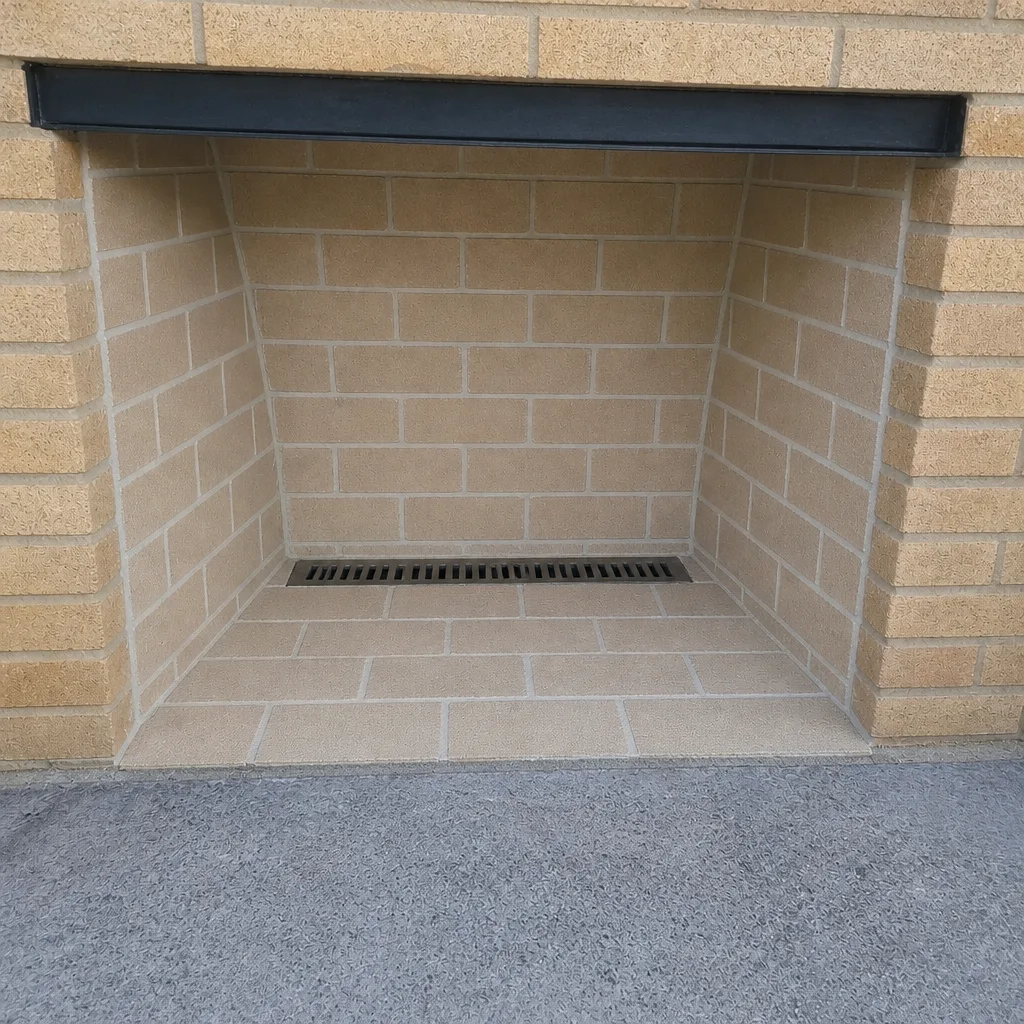
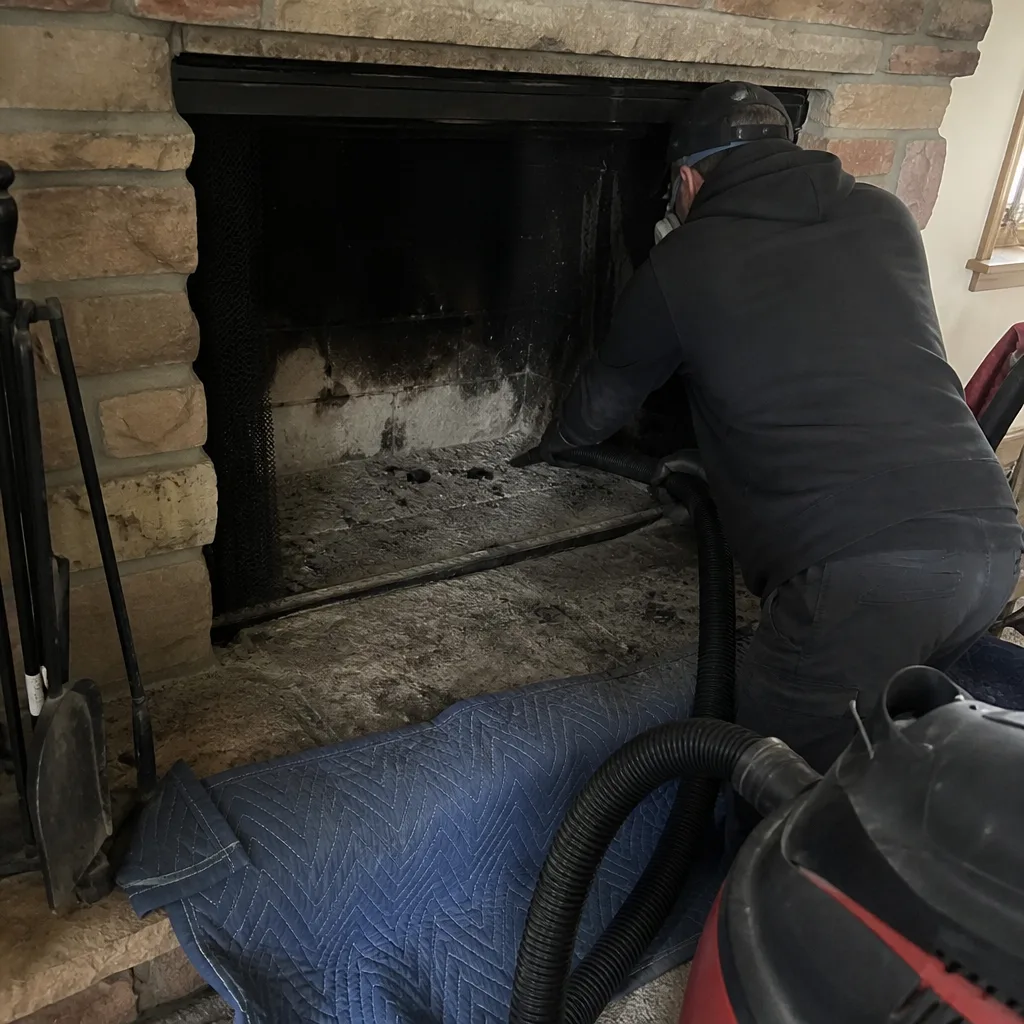
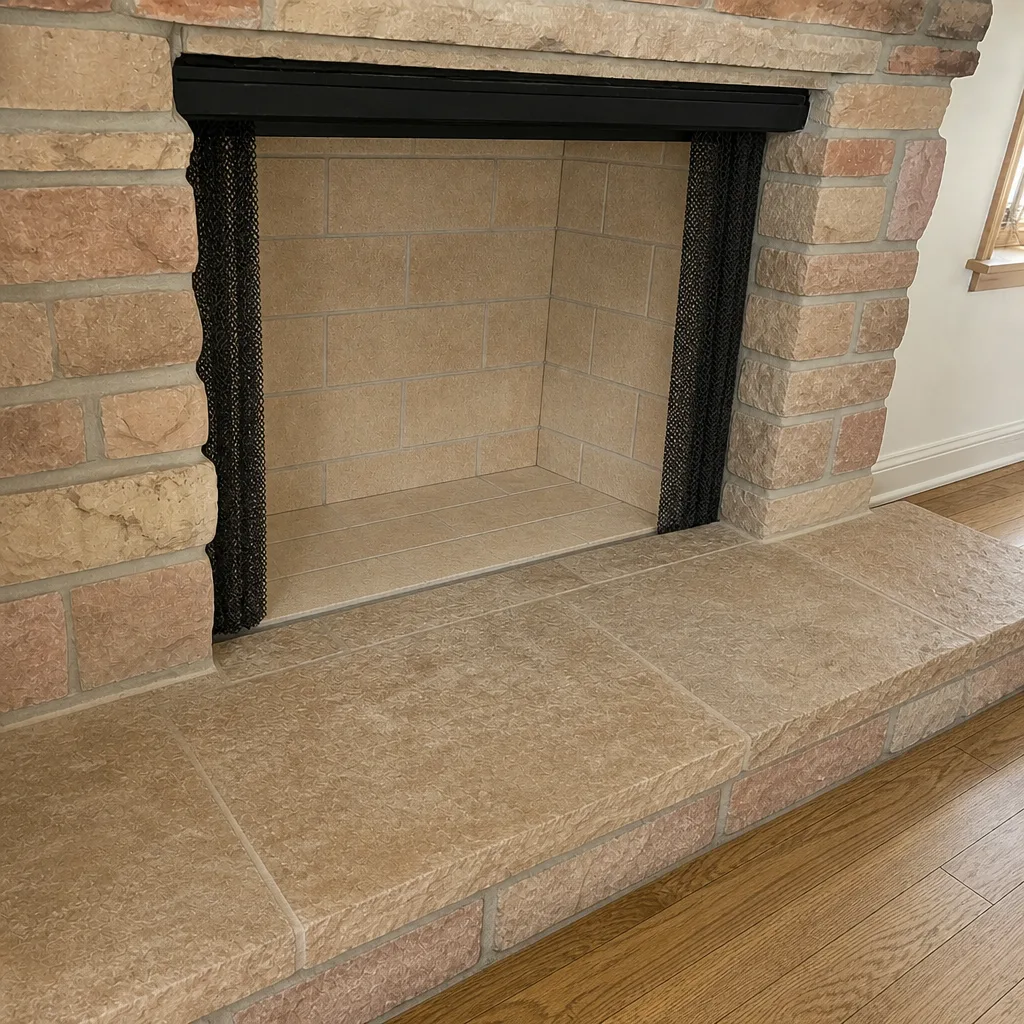
See the difference
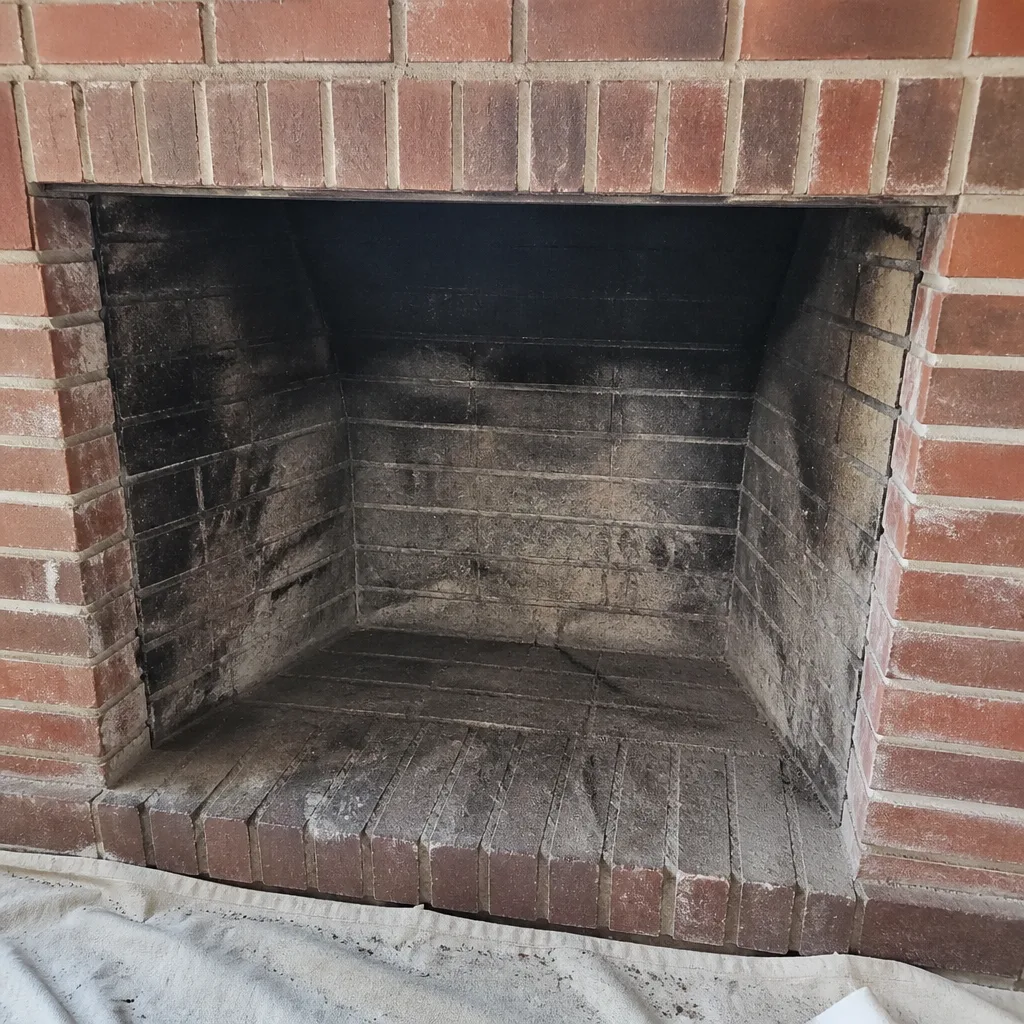 Before
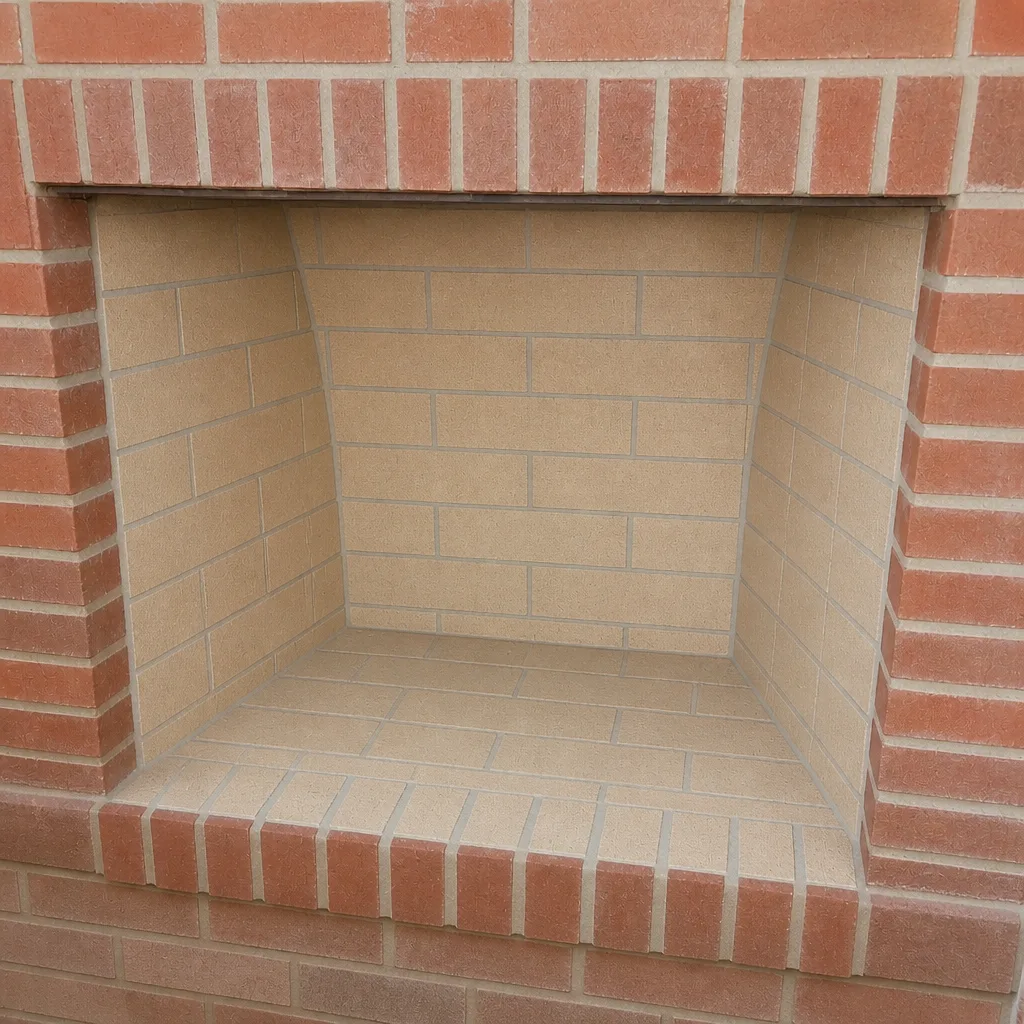 After
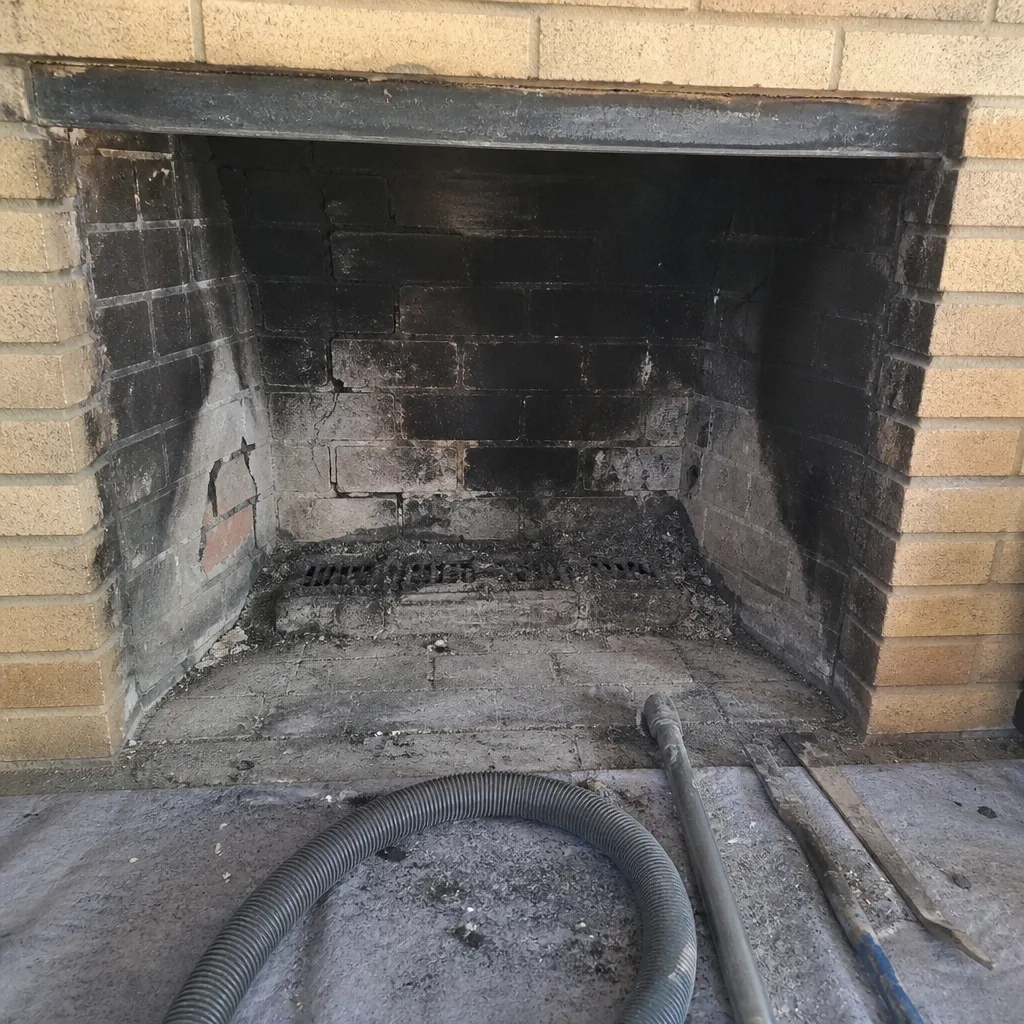 Before
 After
 Before
 After
When to Call a Professional
Call immediately if you have had an active chimney fire, if your carbon monoxide alarm has triggered during fireplace use, or if smoke is rolling into the room with the damper fully open and a window cracked. Call before your next fire if you’ve noticed new cracks in the firebox, fallen debris in the firebox after a burn, a strong smoke smell in the room when the fireplace is off, or visible damage to the chimney cap or crown. Call for routine sweeps in early fall, so the chimney is cleaned and inspected before the season. And call for a pre-closing chimney inspection if you’re buying or selling a home in Northglenn; a full inspection with camera evidence protects both sides of the transaction.
Chimney Sweep Northglenn offers free estimates in Northglenn. Call (866) 616-5448 for your estimate. We answer 24/7. Fast dispatch from 7am to 7pm, Sunday through Friday.
Frequently Asked Questions
Close the damper, get everyone out of the house, and call 911. Do not pour water into the firebox; thermal shock from water on a fire-hot firebox or liner can cause structural damage that’s more expensive than the fire itself. Once the fire department clears the scene, call (866) 616-5448 to book a post-fire camera inspection before you use the fireplace again.
A chimney (flue) fire has a low roaring sound, a vibration you can feel through the wall, and often smoke or flames at the top of the chimney. A normal fire stays quiet and stays in the firebox. If you hear the roar or feel the vibration, treat it as a flue fire and act accordingly. If you’re unsure, treat it as the more serious of the two and get out.
Closing the damper starves a flue fire of oxygen and slows it down, which is why it’s the correct first move during an active flue fire. Closing it on a smoky fire that isn’t actually a flue fire can push smoke and carbon monoxide back into the room instead. The distinction between a flue fire and a firebox problem is why it’s worth knowing both patterns before you need them.
Almost certainly not. Smoke rolling into the room with the damper open is usually a draft or pressure problem, not a fire. Check the damper, crack a window, turn off exhaust fans, and if the smoke stops, the fireplace is likely fine. If smoke continues with the damper fully open and no fans running, stop using the fireplace and book an inspection; persistent back-draft often points to a blocked or partially collapsed flue.
Photograph the firebox, the flue opening, the chimney from outside showing the crown and cap, and the room around the fireplace showing any smoke staining. Photograph any fallen creosote or liner material where it landed. Write down the time of the event, what you heard and smelled, and what you did. Your insurance adjuster will want the photos and a written chimney inspection report, and we provide that report with camera evidence so you can file with confidence.
Yes. A CO alarm during fireplace use is a stop-use event for the chimney. The alarm may have caught a low-level leak from a cracked liner, a blocked flue, or a draft problem, and the fact that the fire is out now doesn’t mean the underlying issue is gone. Book an inspection before your next fire; call (866) 616-5448 for a free estimate on the inspection and any repair the inspection identifies.
The Bottom Line
The three chimney emergencies Northglenn homeowners face most often are an active flue fire, a sudden smoke back-draft, and a carbon monoxide alarm during fireplace use. Each has a different correct response: close the damper, get out, and call 911 for a flue fire; open a window and check the damper for a back-draft; evacuate and call 911 for a CO alarm. Water is never the answer for a chimney fire. Document everything after an incident, before you clean up. And book a sweep in early fall, because the prep you do before the season is the single biggest factor in how well the emergency goes. Our full-scope team handles the sweep, the inspection, the fireplace and chimney repair work, and the cap and crown that keep moisture out, all under one company. Call (866) 616-5448 for a free estimate. We answer 24/7. Fast dispatch from 7am to 7pm, Sunday through Friday.
Written by the team at Chimney Sweep Northglenn.