
Last updated November 24, 2026
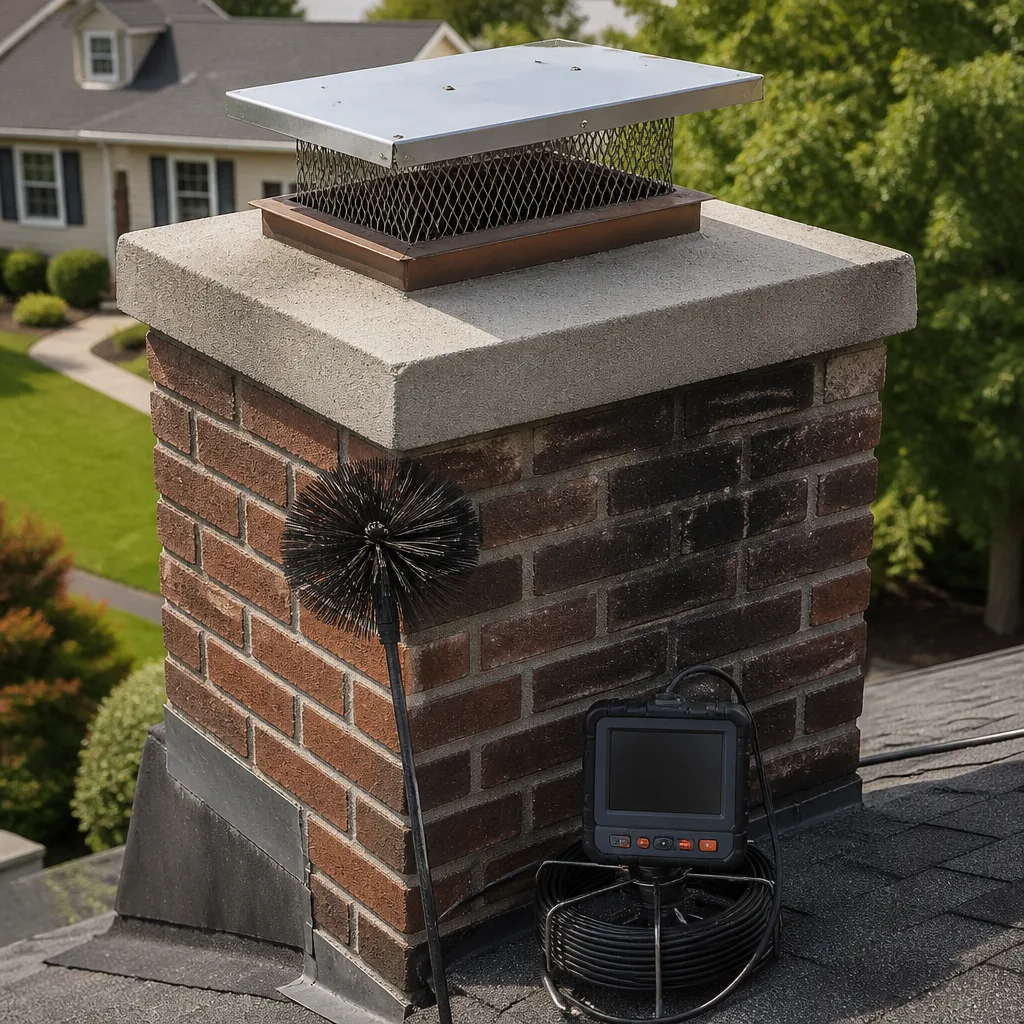 Sweep & inspection
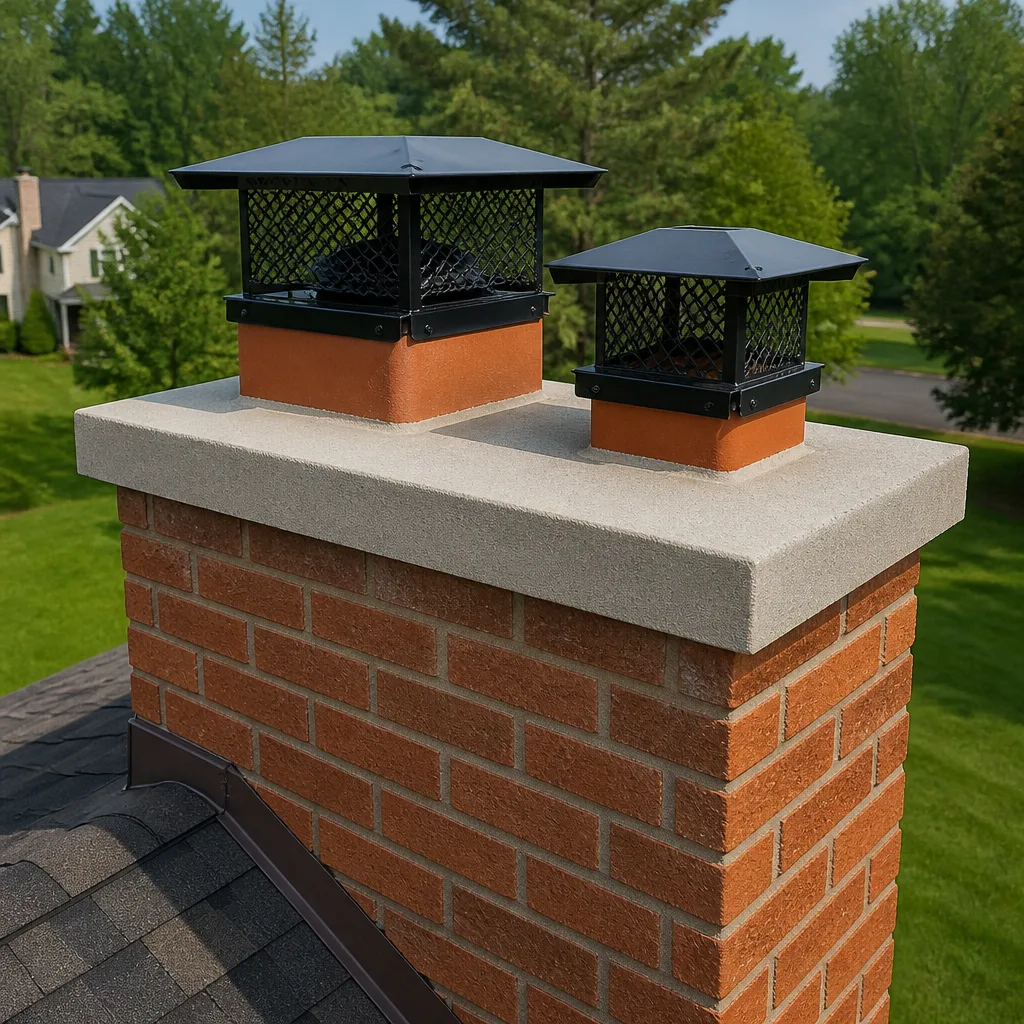 Caps & crowns
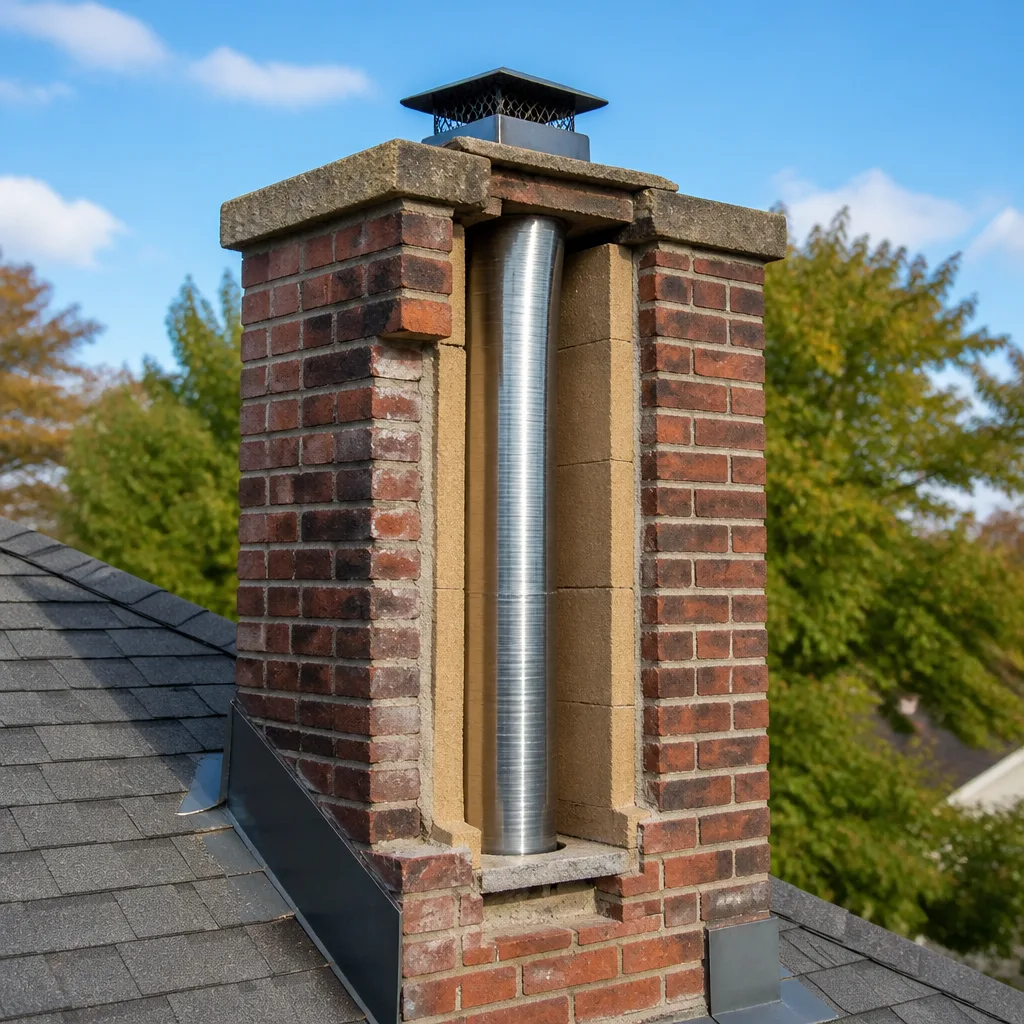 Flue relining
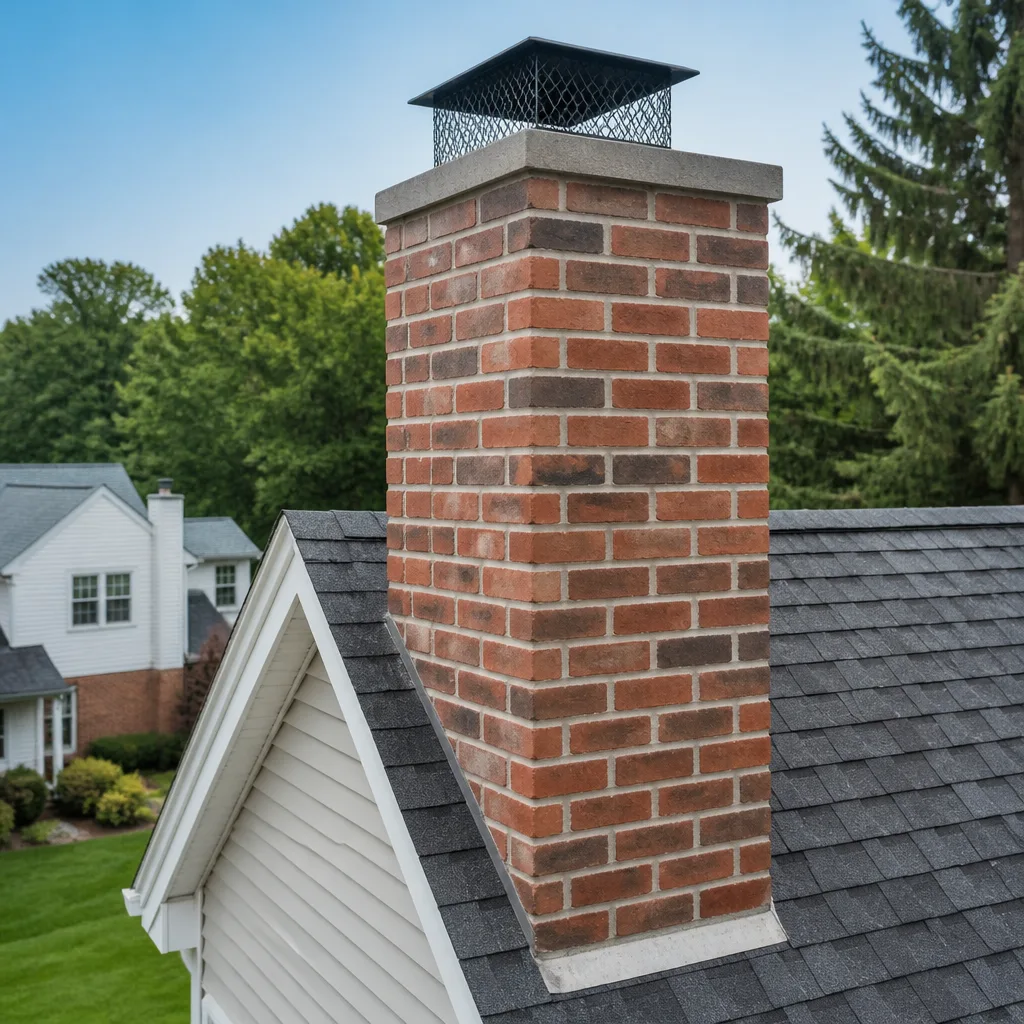 Masonry repair
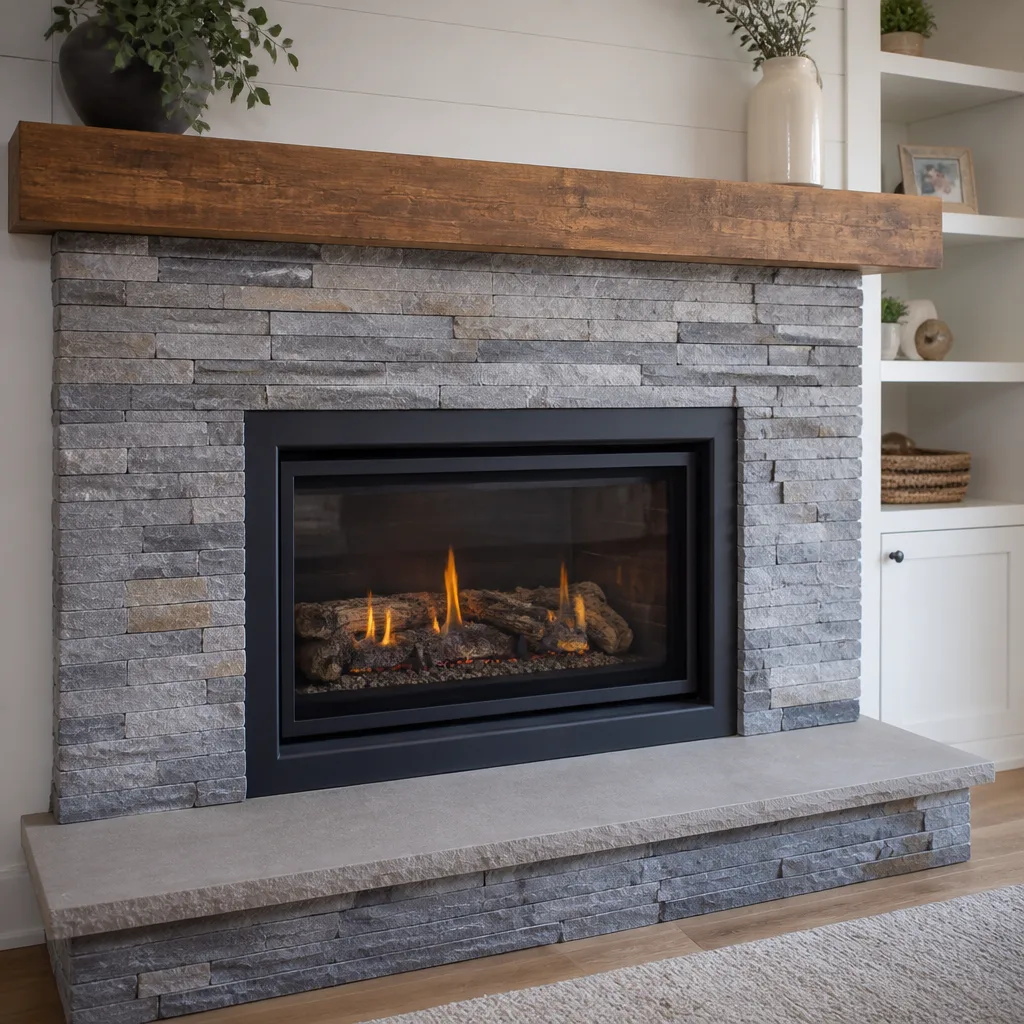 Gas fireplace service
Level 1 sweep and inspection to the NFPA 211 annual standard - flue, crown, cap, and flashing checked and photographed
Chimney sweep logs do not sweep chimneys. They loosen some creosote - which then falls where a brush and vacuum still have to collect it.
Chimney Sweep Maintenance Checklist for Northglenn Homeowners
The most common chimney call we get in fall isn’t about a dirty flue. It’s about a damper that seized shut over the summer, or a cap that took hail damage in June and nobody looked at until the first cold night in October. By then, the small problem has had months to become an expensive one. This guide is a maintenance checklist built differently from the generic lists you’ll find elsewhere: every task is assigned to the person who can actually do it safely, and to the right time of year for Northglenn’s specific weather cycle. You’ll learn what you can check, what needs a technician, and when to act.
Quick Answer
A proper chimney maintenance routine for a Northglenn home separates two roles: what you can safely check yourself with a flashlight and a smoke test, and what requires a trained sweep with a camera and professional tools. The homeowner tasks belong in late spring and early fall; the professional sweep and inspection belong before your first fire of the heating season. Skip either side of that split and small, cheap fixes turn into liner or crown work.
Styles & brands we work with
- Sweep & inspection
- Caps & crowns
- Flue relining
- Masonry repair
- Gas fireplace service
Table of Contents
- Who Does What: The Homeowner vs. Technician Split
- The Northglenn Chimney Calendar: Timing Each Task
- Post-Hail Cap and Crown Inspection
- The Pre-Heating-Season Damper Test
- The Smoke Draft Test Before Your First Fire
- Firebox Floor and Smoke Shelf: What a Flashlight Shows
- Mid-Winter Smoke Rollback Check
- Documentation Habits That Protect Your System
Who Does What: The Homeowner vs. Technician Split
Most chimney checklists blur the line between “check” and “inspect,” and that’s where people get into trouble. A check is something you do with your eyes and ears. A proper inspection is something a trained technician does with a camera, a light, and an understanding of what a failing flue liner looks like. Keeping those two categories separate protects you from skipping a real inspection and from trying to do work that isn’t a homeowner’s job.
Here is the split as we practice it when we come out to a home in Northglenn.
Homeowner-safe tasks (visual and non-invasive):
- Looking up at the cap and crown from the ground with binoculars after a hailstorm.
- Reaching into the firebox and opening and closing the damper by hand to confirm it moves freely.
- Running a smoke draft test before the first fire of the season.
- Shining a flashlight up into the firebox to check for cracked brick, loose mortar, and ash buildup.
- Keeping a written log of every sweep, inspection, and repair.
Technician-only tasks (require equipment and training):
- Sweeping the flue with proper brushes sized to the liner.
- Camera inspection of the flue liner top to bottom.
- Any work on the cap, crown, or flashing at roof level.
- Liner repair using HeatShield resurfacing or DuraFlex flexible liner installation.
- Firebox rebuilds, smoke chamber parging, and masonry repair.
That second list is where the surprises show up. If you’ve ever been told “something looks wrong up there” with no explanation of what or why, you know the frustration. We handle the sweep and the repair, so any problem we find during a chimney sweep can be described with photos, priced, and fixed without a second appointment with a different company. Over in Northglenn’s older masonry homes, this matters because the distance between “hairline crack we can seal” and “flue tile failure that needs a liner” is often small and time-sensitive.
The Northglenn Chimney Calendar: Timing Each Task
Timing is the piece most checklists miss. A chimney in Northglenn lives through a specific cycle: a wet spring with hail, a hot dry summer, a cold dry winter with frequent freeze-thaw nights, and a wind-driven fall. Each season does something different to the system, and each season is the right moment for a different check.
Here’s how we map the year for a typical wood-burning or gas fireplace home in the Northglenn area, including neighborhoods like Victoria Heights, Fox Run, and the older blocks near Croke Reservoir.
- Late spring (after hail season): Ground-level check of the cap and crown. Hail is the single biggest cause of cap damage in Northglenn, and a cracked cap lets water in for months before you notice.
- Early summer: Schedule your annual professional sweep and inspection. Clean and inspect before the summer heat lets any moisture trapped in creosote or masonry do real damage.
- Late summer: Test the damper by hand. A damper that sat closed through a wet summer is the one that seizes.
- Early fall (before first fire): Smoke draft test. At the same time, review your log for the date of the last sweep.
- First fire of the season: Watch smoke behavior carefully. Anything odd is a reason to stop and call.
- Mid-winter: Rollback check after a very cold night. Smoke that suddenly wants to spill into the room is telling you something about the cap or the flue.
- Late winter / early spring: Do a flashlight inspection of the firebox for new cracks or spalling brick.
If your home is newer construction or uses a gas fireplace with a prefab unit, the timing is the same, but the specific checks differ. The cap and vent termination still take hail. The firebox still needs a look. The liner still matters. We only need to adjust the checklist for your unit type when we do the chimney repair walk-through and inspection. A prefab unit has manufacturer specs that need to be followed, and part of our job is to know what those are for the systems we service in Northglenn.
Post-Hail Cap and Crown Inspection
A chimney cap and crown are the two pieces of your system that take the most weather and get the least attention. In Northglenn, the June hail that dents a car hood can also crack a cast cap or spall a crown. The damage isn’t always dramatic, but over a full season the water intrusion it allows is the leading cause of long-term chimney deterioration.
Your job in this section is a ground-level check after the last major hail event. Binoculars help.
What to look for from the ground:
- Visible dents or crushed corners on a metal cap.
- Cracks running through the crown (the concrete or mortar top that surrounds the flue).
- Rust streaks running down the chimney from the cap.
- Cap mesh that looks torn, bent, or pushed in.
- Any animal nesting material pushing out from the cap sides.
If you spot any of that, don’t climb up there. Roof-level work with hand tools is one of the most common causes of serious injury for homeowners, and it’s the part of this checklist a trained technician handles with fall protection, proper sealants, and materials that match the rest of the system. Our cap and crown work closes the moisture loop rather than just sweeping what’s already there. When we install or replace a cap, we’re working with materials from trade suppliers we trust, and we treat the crown, the flashing, and the cap face as a single repair rather than three separate jobs on three separate visits.
What you’ll avoid by catching crown damage early: cracked flue tiles, water-stained interior plaster around the fireplace, rusted dampers, and (on liner systems) an early end to a liner that was installed with a lot of money behind it. All of those are chimney repair jobs that start at the top. Attention paid in June saves work in October.
The Pre-Heating-Season Damper Test
The single most common cause of a stuck damper call in fall is a damper that sat closed all summer. Corrosion and dust combine where the damper plate meets its frame, and by September the plate needs a nudge to move. Testing it in late summer, while there’s still room in the calendar before the heating season, gives you options.
The test is simple. Do it while the firebox is clean and cold.
- Reach up into the firebox (with the fireplace cold and no fire for at least 24 hours) and locate the damper handle. On a top-sealing damper, look for a cable or lever above the firebox opening.
- Move the damper from fully closed to fully open, then back, slowly. Note any grinding, sticking, or a spot where it needs force.
- Leave it in the closed position and look up. If you can see daylight coming through the flue, your damper is not sealing properly.
- Note the position it sticks in and write it in your log. If it needs force, that’s a reason to have it serviced before winter, not after.
Two things we see in Northglenn homes that we’d flag here. First, a top-sealing damper that has quietly stopped sealing lets warm air up the chimney all winter, which is a comfortable-house problem, not just a chimney problem. Second, a damper plate that has rusted through from summer moisture needs replacement, and that’s the moment people discover the same thing about their liner. Damper restoration and small flue repairs are part of what we do during a chimney repair visit, and we prefer to do them together rather than as separate jobs.
If the damper moves smoothly and seals, you’re done with this section for the year. Note the date in your log and move on to the draft test.
The Smoke Draft Test Before Your First Fire
A smoke draft test tells you whether air is moving the way it should through the firebox, damper, smoke chamber, and flue. It’s the cheapest diagnostic you’ll ever run on a chimney, and it’s the one most homeowners have never heard of.
Here’s the process. You’ll need a small amount of smoke, not a fire. A smoke pencil or a lit incense stick works. Don’t use candles with heavy fragrance; you’re looking for a thin stream of smoke, not a rich plume.
- Confirm the fireplace is cold, with no embers in the firebox.
- Open the damper fully.
- Hold the smoking item near the top of the firebox opening, then move it slowly upward toward the damper.
- Watch the smoke. It should rise steadily toward the damper and be pulled up and out of the firebox.
- If the smoke drifts lazily upward without pulling, or curls out into the room, that’s a draft problem.
What the results mean:
- Smoke pulls up strongly: Draft is healthy. You’re ready for the season.
- Smoke rises but doesn’t pull: This often indicates a cold flue or a partial obstruction. Try again after warming the flue with a rolled newspaper torch, briefly. If it still won’t pull, that’s a professional call.
- Smoke curls into the room: Do not light a fire. This points to a partial blockage (nesting, soot fall, or a collapsed tile) or a cap problem. This needs a camera inspection before you burn anything.
- Smoke pulls at first, then stalls: Often a sign of negative pressure in the house or a flue sized wrong for the firebox. Worth documenting and mentioning at your next sweep.
In our experience, most negative results on a Northglenn smoke draft test come down to a partially blocked cap or a flue liner that has cracked and lost its smooth surface. Those are exactly the kinds of things a camera catches and a flashlight doesn’t. If your test looks off, call it in rather than burning through it. A Chimney Sweep Northglenn technician can run a camera inspection and tell you what’s actually happening inside the flue.
Firebox Floor and Smoke Shelf: What a Flashlight Shows
You can learn a lot about your chimney’s health with a good flashlight and about ninety seconds of quiet looking. The firebox floor and the smoke shelf are the two spots where damage shows up first for a Northglenn home, and both are visible without climbing anything.
Firebox floor check:
- Shine the light across the firebox floor at a low angle. Low-angle light shows cracks that a straight-on look misses.
- Look for pieces of brick or mortar lying loose on the floor. They fell from somewhere.
- Check the mortar joints between firebricks. Missing mortar at the joints is the start of a rebuild.
- Look at the back wall of the firebox where heat is most intense. Spalling, gray-white stone, or a hollow sound when tapped are all signs of heat damage.
Smoke shelf check:
- The smoke shelf is the ledge just behind the damper, above the firebox. It’s hard to see directly, but a good flashlight held at an angle will usually catch the surface.
- Look for soot buildup that has hardened into a crust. That’s the beginning of a chimney fire risk if it isn’t swept.
- Look for cracked parging (the smooth cement that lines the smoke chamber). Crumbling parging is a common finding in older masonry chimneys in the Northglenn neighborhoods built in the 1960s and 70s.
What a flashlight cannot show you: the condition of the flue liner above the smoke chamber, the flue tile joints, and the underside of the crown. Those require a proper camera inspection. If your firebox looks clean, sealed, and solid and your smoke shelf has no hardened soot, that’s good news. If anything on either list looks wrong, that’s a reason to book the inspection before the season begins. We handle both fireplace repair (firebox, damper, refractory panel replacement) and the liner work above it, so a finding and a fix live on the same visit.
Mid-Winter Smoke Rollback Check
Smoke rollback is what happens when smoke comes out of the firebox into the room instead of going up the flue. It’s a sign that something about the draft has changed. Mid-winter is exactly the season for it, because cold dense air, a cap partially iced over, or a fire burned too hot then cooled too cold can all trigger it.
Here’s how to check for rollback when the fireplace is in use:
- On a very cold morning, before lighting a fire, crack a window in the room a half inch and light your starter fire normally.
- Watch the smoke for the first five minutes. It should pull steadily up.
- If smoke drifts into the room at any point, extinguish the fire safely, open a window fully, and do not try to relight until you’ve had the system checked.
- Note the weather conditions (wind direction, outdoor temperature, whether the cap looks iced or snowed over) in your log.
Some rollback causes are drafts in the house itself: a bath fan running, a kitchen exhaust on, a tight house with no make-up air. Others are real chimney problems: an iced-over cap, a partially blocked flue, a flue that has lost its liner seal, or a smoke chamber that has started to crumble. You can usually tell the difference by whether the rollback repeats with no other exhaust fans running. If it repeats cleanly, that’s a chimney issue and it deserves a call. If it only happens with the kitchen exhaust on, you’re usually dealing with a make-up air problem, but the inspection still needs to confirm nothing else is going on. DuraFlex liner installations are one of the fixes we use when the problem is a failing flue that has lost its draft path, and it’s a repair we’d rather schedule mid-winter than discover in June.
Documentation Habits That Protect Your System
Chimney systems are expensive, and the warranties on liner systems and prefab fireplace units usually come with conditions. Most of the conditions come down to documentation: proof that the system was swept and inspected, who did the work, and when. If a heat shield or liner system was installed with Gelco, Olympia Chimney, or another trade brand, the manufacturer wants to see a maintenance record.
Here are the habits that protect you.
- Keep a physical sheet or a shared folder dedicated to the chimney. One place. Not scattered in a drawer.
- Log every sweep and inspection with the date, the technician’s company, the camera results, and any photos.
- Log every repair with the brand of components used, the part number if the technician provides it, and the warranty start date.
- Save the installation paperwork from any liner system, prefab unit, cap, or crown installed on your home.
- Photograph any interior staining or water damage with a date stamp. That record matters if you ever sell the house or file an insurance claim.
- Keep the record with the house documents when you sell. A chimney with a documented maintenance history is easier to close on.
We see this come up most often with home sales in Northglenn. A buyer’s home inspector flags the chimney, no records exist, and what should be a quick verification becomes an expensive question mark. Our inspection service produces the kind of report that supports a real estate transaction cleanly, and we’re happy to run a follow-up inspection after any repair to give you a verifiable “after” record for your file.
Common Mistakes to Avoid
- Skipping the post-hail cap check. A June hailstorm in Northglenn can crack a cap and start water intrusion that you won’t notice until the ceiling stains in September. Check from the ground with binoculars, and call if anything looks off.
- Burning green or unseasoned firewood. Wet wood is one of the biggest drivers of creosote buildup, and creosote is what actually fuels chimney fires. Seasoned dry wood burns hotter and cleaner.
- Treating a flashlight inspection as a full inspection. A flashlight shows you the firebox and part of the smoke shelf. It cannot show you the flue liner, the flue tile joints, or the interior of the smoke chamber. Those need a camera.
- Ignoring a stuck damper until the first cold night. A damper that sat closed all summer is a common seasonal surprise. Test it in late summer, while there’s room in the schedule.
- Doing roof-level cap or crown work yourself. Fall injuries from roof-level maintenance are common and severe. Cap, crown, and flashing work belongs with a technician who can do it safely and seal it correctly the first time.
- Burning through smoke rollback. If a mid-winter fire smoke-tests badly, don’t keep feeding it. Extinguish safely and have the system checked.
- Letting the maintenance record go dark. A liner or prefab unit with no maintenance record is harder to warranty and harder to hand off at sale. Keep the log current.
See the difference
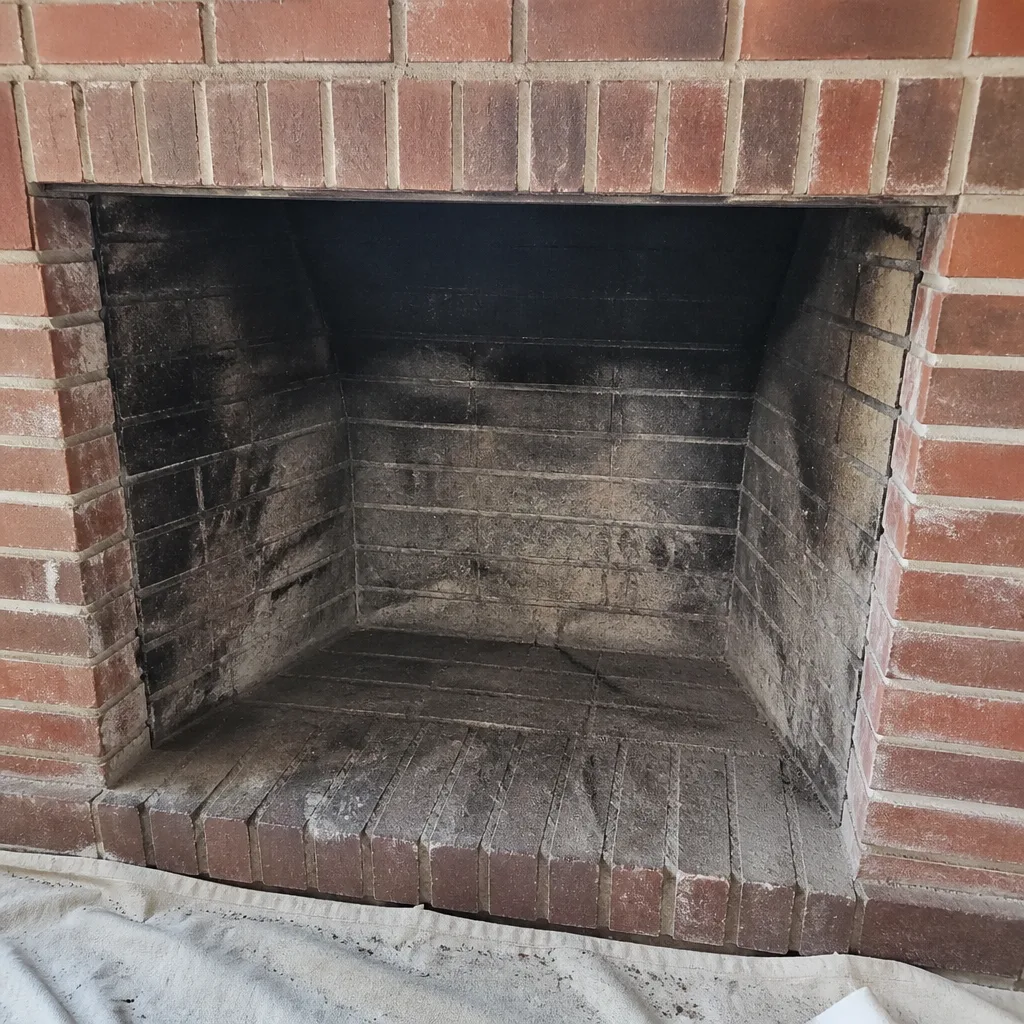 Before
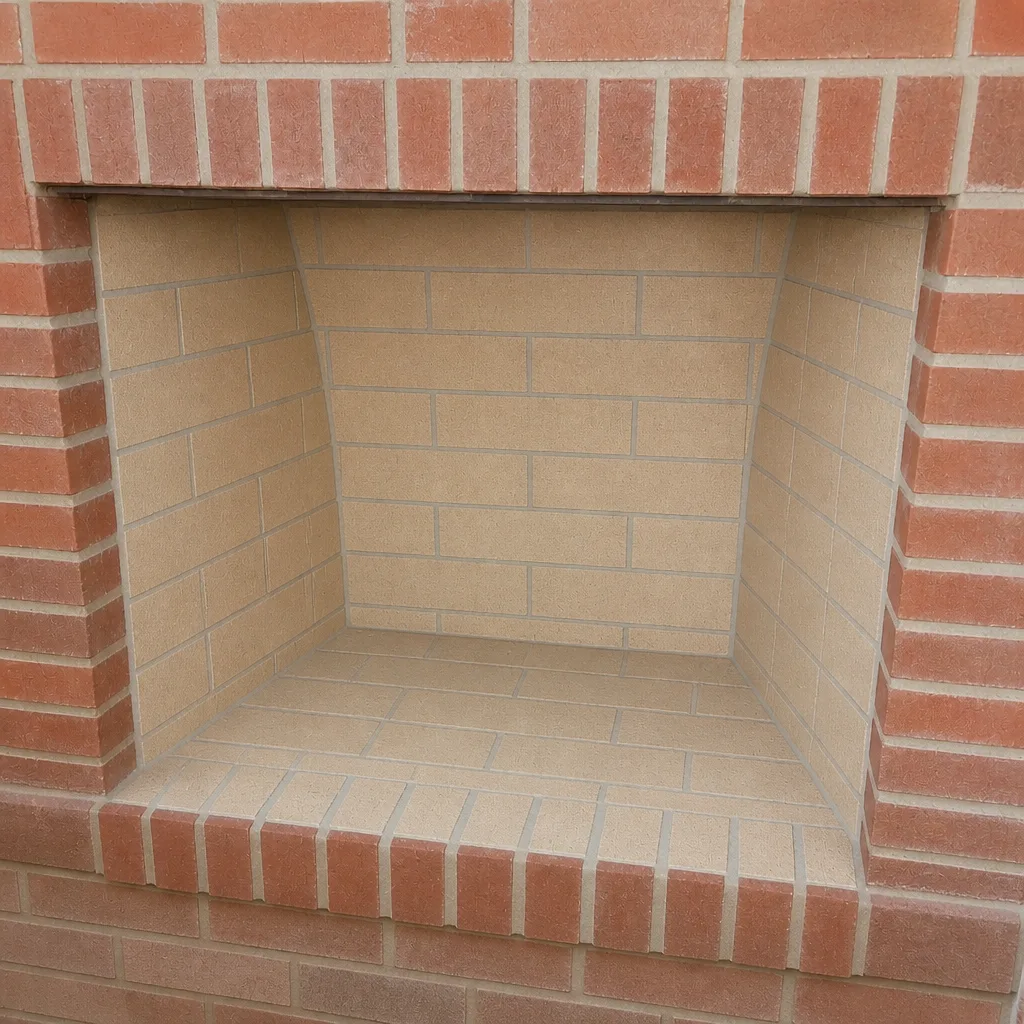 After
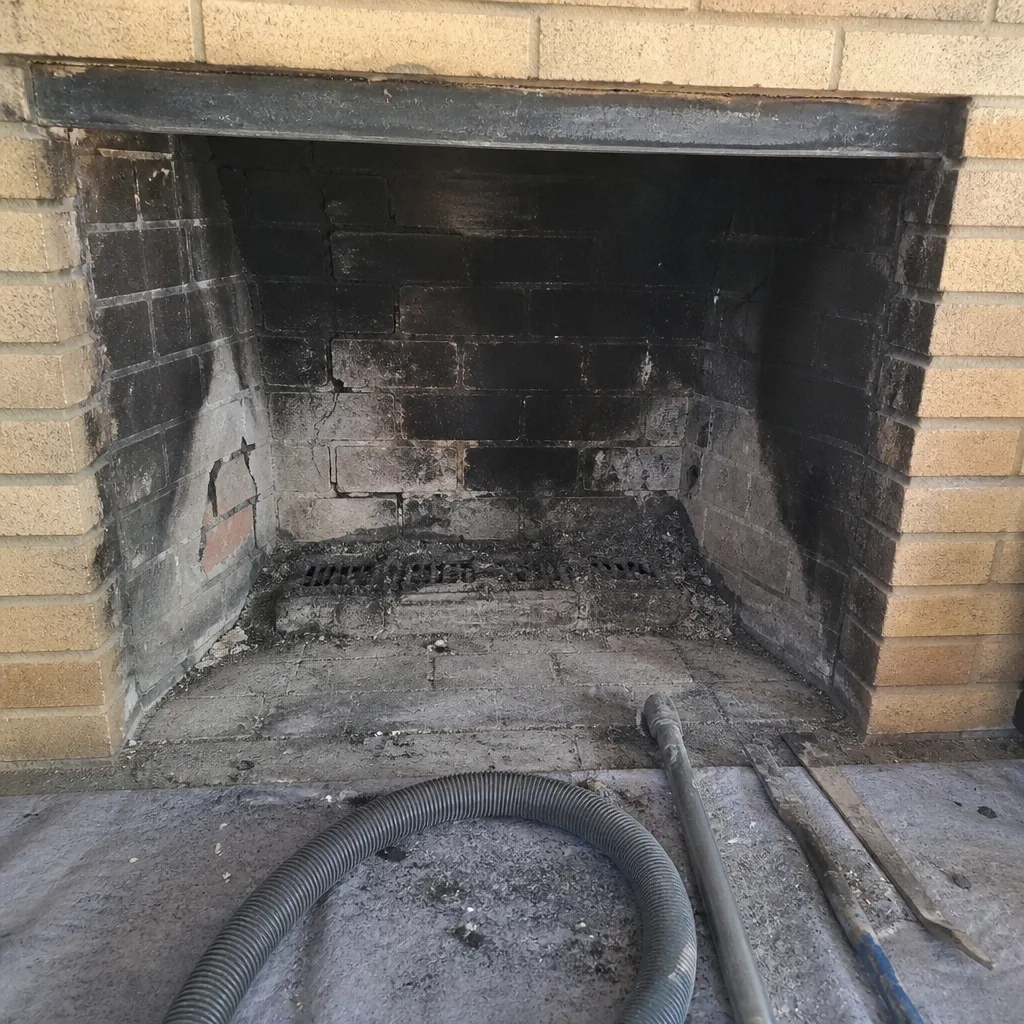 Before
 After
 Before
 After
When to Call a Professional
Call a professional chimney technician if any of these apply to your Northglenn home: you haven’t had the system swept or inspected in the last year; your smoke draft test or mid-winter rollback check failed; you found a cracked crown, damaged cap, or rust on the cap after a hail event; your damper sticks or won’t seal; you see cracks, loose mortar, or spalling in the firebox, or hardened soot on the smoke shelf; you’re selling or buying a Northglenn home and need an inspection report for the transaction; or you’ve been told something “looks wrong” without a clear explanation of what and how to fix it. Chimney Sweep Northglenn offers free estimates in Northglenn. Call (866) 616-5448 and we’ll walk through what the check found and what, if anything, actually needs doing.
Frequently Asked Questions
Once a year for most homes with a wood-burning fireplace, ideally in early summer before the heating season. Homes that burn frequently or burn wood that isn’t fully seasoned should be swept more often. Gas fireplace units still need an annual inspection even though they generate far less creosote. Call (866) 616-5448 for an exact quote on a scheduled sweep.
Creosote builds up on the flue walls and becomes the fuel for a chimney fire, and moisture intrusion through a damaged cap or crown starts quietly deteriorating the liner and masonry. Skipping a year won’t always cause a visible problem, but the problems that do develop are usually discovered mid-season. Call (866) 616-5448 to get on the schedule before the first fire.
Often a repair will work, and that’s the whole reason we carry HeatShield resurfacing. HeatShield addresses cracked and deteriorating flue tiles without a full liner replacement, which keeps cost down and preserves the original tile. A DuraFlex flexible liner installation is the right call when the liner has failed structurally rather than just cracked. We only recommend the bigger job when the camera shows us why the smaller one won’t hold. Call (866) 616-5448 to book an inspection with photos.
You can safely do a visual check of the firebox, smoke shelf, damper, and cap from the ground, and those checks catch real problems. You cannot do a camera inspection of the flue liner, and a visual check will miss many liner and smoke chamber issues. A trained sweep with camera equipment covers the parts of the system you can’t see.
A sweep cleans the flue and removes creosote, soot, and any nesting debris. An inspection is a diagnostic visit that documents the condition of the firebox, flue, liner, cap, and crown, usually with camera footage and a written report. Most homes in Northglenn do both in the same visit, and that’s how we schedule them.
Yes, and it’s the most overlooked chimney hazard in Northglenn. Hail can crack a cast cap, spall the crown, and start water intrusion that takes months to show up inside. A ground-level look with binoculars after any significant hail event is worth the ten minutes. If you spot damage, call (866) 616-5448 for a free estimate on the repair.
The Bottom Line
The single most useful change you can make to your chimney routine is to separate what you can check from what a technician needs to check, and to put each one on the right point in Northglenn’s seasonal cycle. Check the cap after hail, test the damper in late summer, run a smoke draft test before the first fire, look at the firebox with a flashlight in early fall, and pay attention to rollback in cold snaps. Everything else on the flue and crown belongs with a trained sweep. Keep a written record, and you’ll protect both the safety and the resale value of a chimney system that should last as long as the house around it.
Chimney Sweep Northglenn handles the full system: sweep, inspection, fireplace repair, and chimney cap and crown work, all performed with professional-trade brands like Gelco, Olympia Chimney, Famco, and Copperfield. No handoffs, no “something looks wrong” without a clear answer. Call (866) 616-5448 for a free estimate. We answer 24/7. Fast dispatch from 7am to 7pm, Sunday through Friday.
Written by the team at Chimney Sweep Northglenn.