
Last updated November 24, 2026
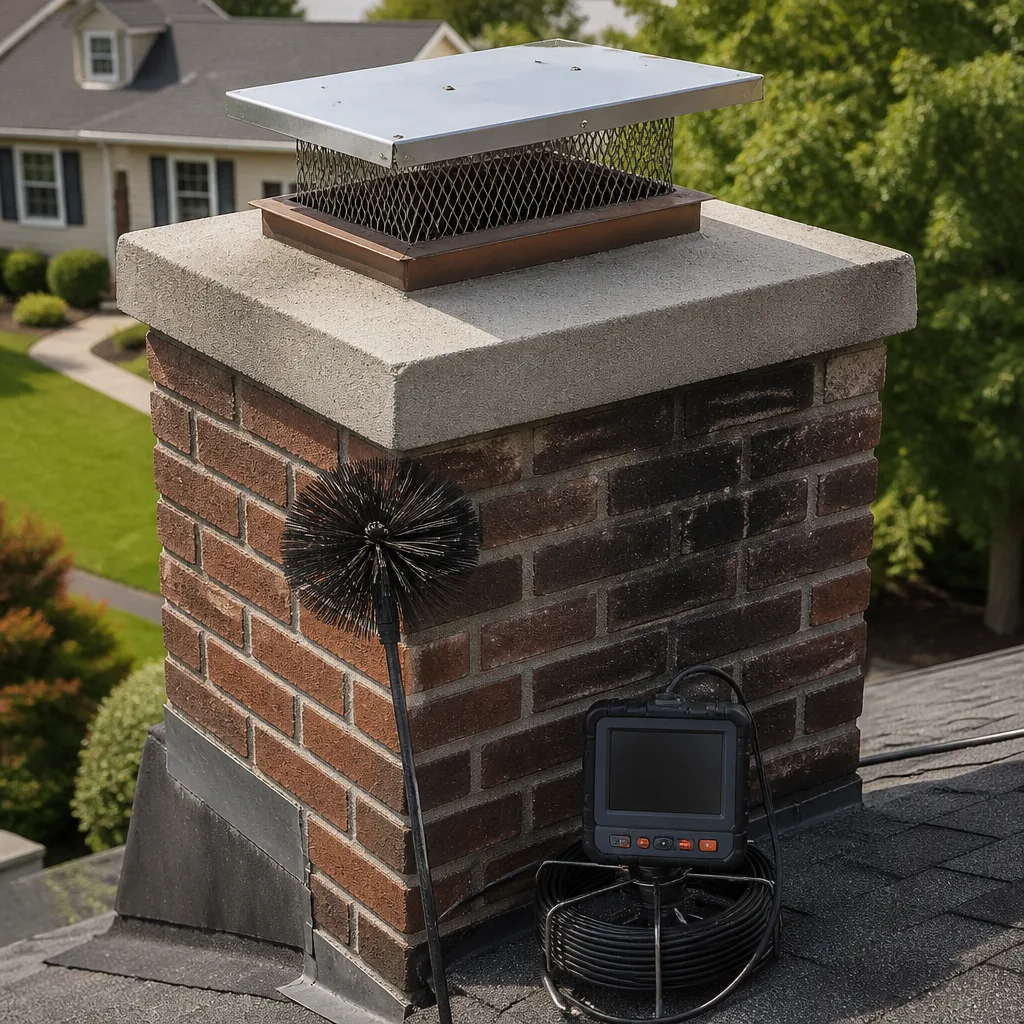 Sweep & inspection
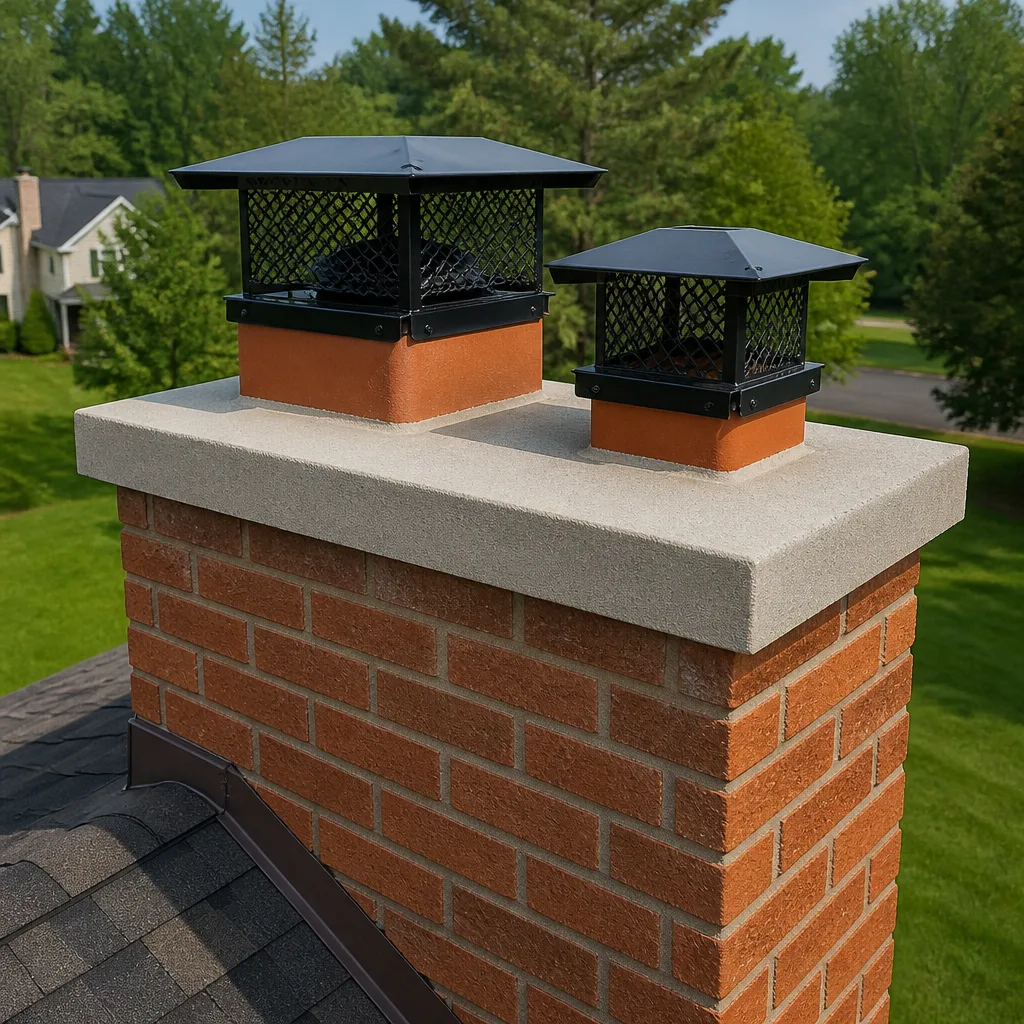 Caps & crowns
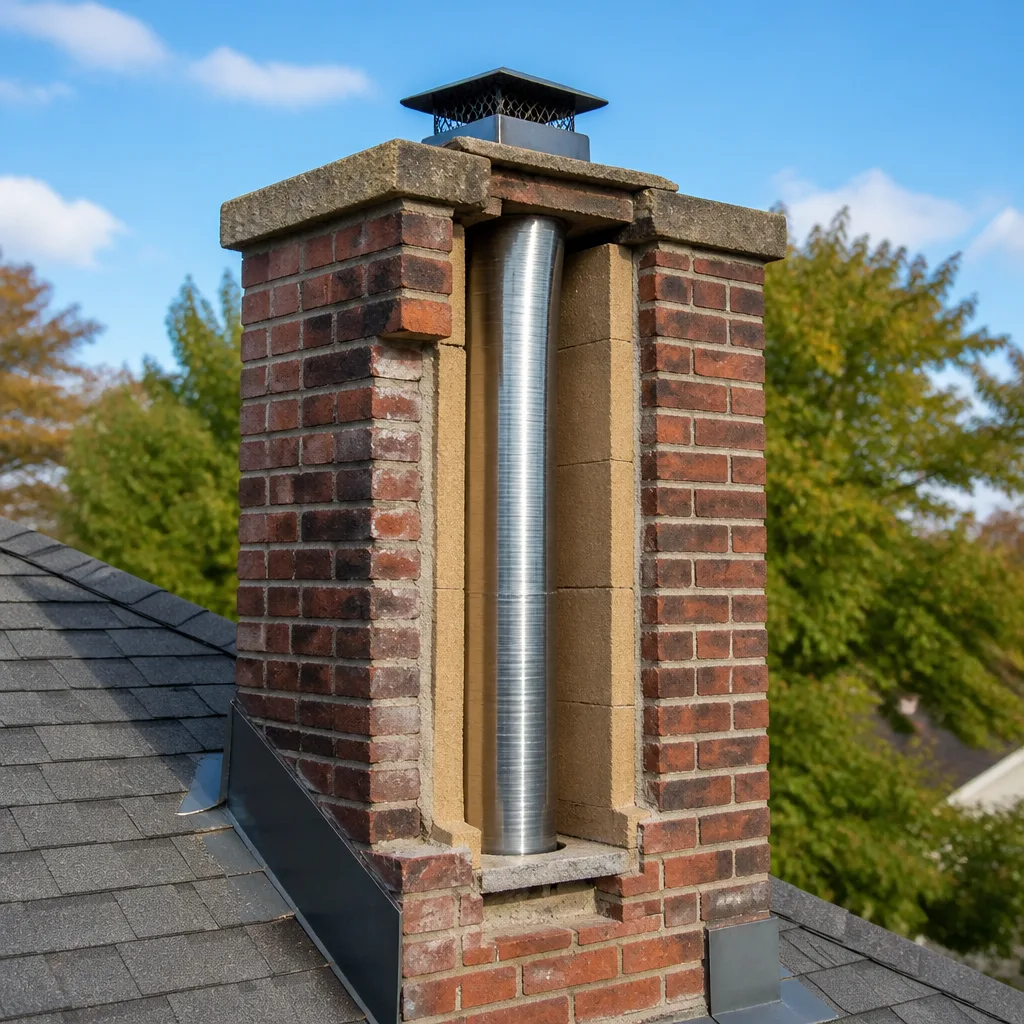 Flue relining
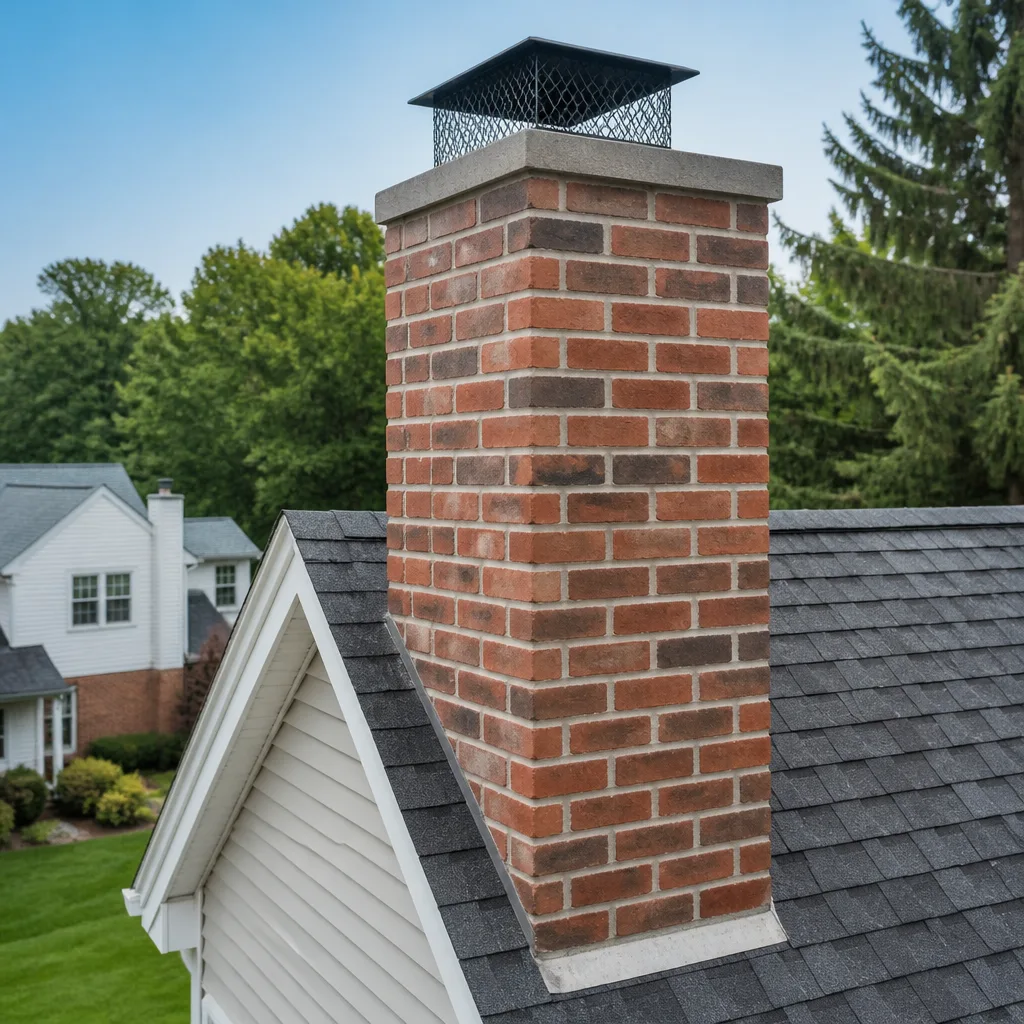 Masonry repair
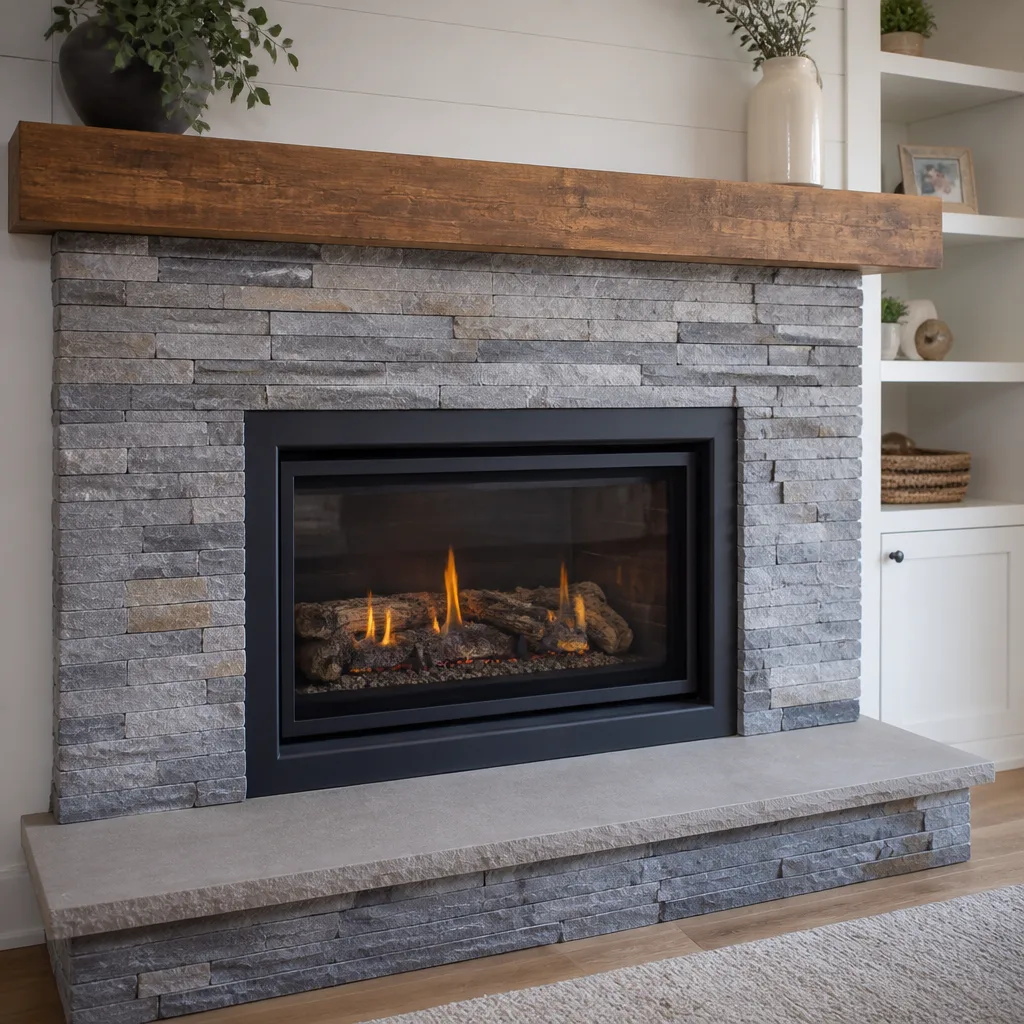 Gas fireplace service
Level 1 sweep and inspection to the NFPA 211 annual standard - flue, crown, cap, and flashing checked and photographed
Chimney sweep logs do not sweep chimneys. They loosen some creosote - which then falls where a brush and vacuum still have to collect it.
Chimney Cleaning Permits, Codes & Inspections in Northglenn, CO: What You Need to Know
Most chimney work in Northglenn doesn’t need a city permit, and that’s exactly where homeowners get into trouble. The assumption that “no permit means no rules” leads people to skip the one document that matters at resale: a proper inspection record. Colorado adopted the 2021 International Fire Code, but enforcement happens at the municipal level. Northglenn, Thornton and Westminster can read the same liner language differently, and a repair that passes in one jurisdiction may raise questions in another. This guide walks through what actually triggers a permit, how NFPA 211 inspection levels map to Colorado’s adopted code, what unpermitted work does to a home sale in Northglenn, and when a city inspector and a certified technician both need to sign off.
Quick Answer
Routine chimney cleaning in Northglenn generally does not require a permit; it falls under maintenance. A permit usually becomes necessary when the work changes the chimney system itself: liner replacement, crown reconstruction, flue resizing, or swapping a wood-burning appliance for a gas insert. Inspections are a separate matter. A Level 2 inspection is legally required under NFPA 211 whenever a property changes hands, an appliance changes, or a chimney has suffered a chimney fire or other event. The written estimate and the inspection report are the two documents that protect you, permit or not.
Styles & brands we work with
- Sweep & inspection
- Caps & crowns
- Flue relining
- Masonry repair
- Gas fireplace service
Table of Contents
- What Work Requires a Permit in Northglenn?
- Adams County vs. City of Northglenn: Who Enforces What
- NFPA 211 Inspection Levels and Colorado’s Fire Code
- What Unpermitted Chimney Work Means for a Northglenn Home Sale
- Gas Inserts vs. Wood-Burning Repairs: Two Different Code Pathways
- City Inspector vs. Certified Chimney Technician: Who Has Final Authority?
- How to Document Prior or Questionable Chimney Work
- Why Northglenn’s Climate Makes the Details Matter
What Work Requires a Permit in Northglenn?
Cleaning a chimney is maintenance. Rebuilding part of it is construction. The line between the two is where permits live, and in Northglenn that line tracks closely with what the work does to the chimney’s structural or venting function.
Here’s how the split generally falls. Routine sweeping, a Level 1 inspection, cap replacement, and minor firebox mortar touch-ups are typically treated as maintenance and don’t require a permit. Once you’re replacing a flue liner, reconstructing a crown, cutting into masonry to resize a flue, or installing or removing a solid-fuel appliance, you’re usually in permit territory. Because Northglenn enforces its own adopted code, the exact scope can vary from what a neighboring city requires. When in doubt, call the city’s building department and describe the job in plain terms.
Typically no permit required:
- Annual chimney sweeping and creosote removal
- Level 1 and Level 2 inspections
- Chimney cap replacement (like-for-like)
- Minor firebox or damper repairs that don’t alter the flue
- Routine masonry repointing on the exterior
Usually requires a permit:
- Relining a flue, whether with a flexible stainless system or a cast-in-place liner
- Crown reconstruction or major crown repair
- Changing the flue size or adding a flue
- Installing, replacing or removing a wood stove, fireplace insert or gas appliance
- Structural masonry work, including chimney rebuilds below the roofline
One nuance that comes up often in Northglenn: a cast-in-place liner repair using a product like HeatShield to resurface cracked flue tiles sits in a gray zone. It restores the liner’s integrity without removing it. Whether that counts as a repair or a replacement is a question for the local authority having jurisdiction, and it’s worth asking before the work starts rather than after. We’ve seen this distinction complicate closings when it wasn’t settled up front.
The safest habit: describe the planned work to the city before booking it, and get the answer in writing. That single step saves far more trouble than it costs.
Adams County vs. City of Northglenn: Who Enforces What
Northglenn is a home-rule municipality, which means the city adopts and enforces its own building and fire codes rather than deferring to Adams County for most residential work. That structure matters because Colorado’s statewide adoption of the 2021 International Fire Code sets a floor, not a ceiling. Cities interpret the liner and venting provisions their own way.
In practice, this shows up in a few places:
- Liner specifications. The code describes performance and listing requirements for chimney liners. One jurisdiction may accept a listed flexible stainless liner installed to manufacturer spec; another may ask for additional documentation on the listing or the installer’s qualifications.
- Clearances. Clearance-to-combustible requirements for chimney enclosures and appliance connectors get checked closely, and interpretations of what counts as “listed” or “approved” can differ between Northglenn and neighboring Thornton or Westminster.
- Inspection timing. Some jurisdictions want to see certain stages of liner or crown work before they’re covered up. Others inspect only at completion. Ask when the inspection happens so no one is surprised mid-job.
Because Northglenn sits within Adams County, homeowners sometimes assume the county handles their chimney permit. Usually the city does. If a contractor tells you the county signed off on residential chimney work inside city limits, that’s worth a phone call to verify.
This is also where the difference between a specialist and a generalist becomes practical. A company that works across the north metro regularly talks to multiple building departments and knows which questions each one asks. When you book a Chimney Sweep Northglenn visit and the work crosses into repair, we can tell you which jurisdiction you’re dealing with and what documentation that jurisdiction tends to want.
NFPA 211 Inspection Levels and Colorado’s Fire Code
NFPA 211, the standard for chimneys, fireplaces, vents and solid fuel-burning appliances, defines three inspection levels. Colorado’s adopted fire code leans on those definitions, which is why understanding them tells you when a Level 2 inspection is legally required rather than just a good idea.
Level 1: Routine annual inspection. Covers readily accessible portions of the chimney and appliance, without tools that could damage the system. Appropriate when the appliance and chimney are unchanged and you just want an annual safety check.
Level 2: The transaction and event inspection. This is the one the code ties to specific triggers. A Level 2 inspection is required when:
- A property is being sold or transferred
- An appliance is replaced or changed to a different fuel type
- A chimney has experienced a chimney fire or a significant event (a lightning strike, an earthquake, a flue collapse)
- An operating malfunction is suspected that a Level 1 inspection can’t resolve
A Level 2 inspection includes everything in Level 1 plus accessible attics, crawl spaces and other concealed areas, and it typically involves video scanning of the flue interior. That camera record is the thing that turns “the sweep said something looks wrong” into a document you can act on or hand to a buyer.
Level 3: Diagnostic inspection. Reserved for situations where a hazard is suspected in a concealed area and access requires opening walls or removing parts of the chimney. Level 3 inspections are rare, but they’re the correct call when a Level 2 finds a serious problem that can’t be resolved visually.
In our experience, the Level 2 requirement catches the most homeowners off guard during a real estate transaction. If you’re selling a Northglenn home with a wood-burning fireplace, plan on a Level 2 inspection as part of the process, not an optional add-on. For buyers, insist on seeing the report, including the video. Anything short of that is an informed guess. Book a chimney sweep visit ahead of the inspection so the flue is clean enough to scan accurately.
What Unpermitted Chimney Work Means for a Northglenn Home Sale
Unpermitted chimney work doesn’t always stop a sale, but it can slow one down, and it changes the negotiation. When a buyer’s inspector sees evidence of a liner replacement or a rebuilt crown with no permit record, the natural assumption is that the work may not meet code. That opens the door to repair demands, price reductions, or a request for a retroactive inspection and permit.
The relevant point is that the work isn’t automatically wrong. Plenty of unpermitted chimney repairs were done correctly by competent tradespeople who just skipped the paperwork. The problem is that no one can prove it without documentation.
If you’re selling a Northglenn home and you know prior chimney work was unpermitted, here’s how to get ahead of it:
- Get a new Level 2 inspection from a qualified technician, with video evidence of the flue. A clean inspection report documents current condition even if it doesn’t have a permit number.
- Ask the city whether a retroactive permit is possible. Many jurisdictions allow a “permit after the fact” process. Requirements vary, and Northglenn’s building department can tell you whether a prior liner or crown install can be inspected and approved now.
- Gather whatever documentation exists. Photos, receipts, product labels, and any correspondence with the original installer all help.
- Be transparent with the buyer. A documented, inspected chimney that was once unpermitted is far less alarming than an undocumented one.
We’ve helped Northglenn sellers and buyers with post-repair verification inspections for exactly this reason. If you need that kind of inspection, our chimney repair team can scope what’s visible, and we can bring in a certified inspector for the formal report when the sale demands it.
Gas Inserts vs. Wood-Burning Repairs: Two Different Code Pathways
A wood-burning chimney repair and a gas insert installation follow different code paths, and mixing them up is one of the most common sources of compliance trouble. The two systems vent differently, are tested differently, and require different inspectors.
Wood-burning system repairs
Repairs to an existing wood-burning chimney, including liner replacement, masonry repair and cap and crown work, are reviewed against the fire code as it applies to solid-fuel venting. The work is typically inspected by a building inspector with the chimney as part of a defined scope. Documentation of liner listing and installation practice is important, and professional-grade products are specified by brand for a reason. When we install a flexible liner using a DuraFlex system, for example, we’re using the same spec certified chimney professionals use, which gives the inspecting authority a clear product listing to check against.
Gas insert installations
Installing or converting to a gas insert changes the appliance and the venting. That typically triggers a permit, requires the gas line work to be done and inspected by a licensed professional, and requires the venting to match the appliance’s listing. In many cases, an existing wood-burning flue is reused with a liner sized to the new gas appliance. That’s a venting change and is usually reviewed even when it feels minor.
The pattern to remember: a gas insert is an appliance change, and appliance changes almost always require a permit and inspection. A wood-burning repair is a repair, and whether it needs a permit depends on whether the system’s structure or venting changes. If you’re not sure which side of the line you’re on, ask. For fireplace work specifically, our fireplace repair page covers the common repair scenarios.
City Inspector vs. Certified Chimney Technician: Who Has Final Authority?
The city inspector has final authority on code compliance. The certified chimney technician has final authority on whether the system is safe and functional. In practice, both signatures sometimes matter because they answer different questions.
A city inspector confirms that the work as installed meets the adopted code and the permit scope. That’s the legal side. A certified technician confirms the chimney is drawing correctly, the liner is properly sized for the appliance, clearances are observed, and the system will vent safely under real conditions. That’s the operational side.
Most residential chimney repairs don’t need both. But three situations commonly do:
- Post-repair verification on a real estate transaction. The city may have an approved permit record, and the buyer’s inspector still wants a fresh Level 2 report from a certified technician.
- Liner upgrades that also change clearances. A code-compliant install can still require a technician’s confirmation that the appliance draft and flue sizing are correct.
- Repairs done under a permit after prior unpermitted work. The inspector signs off on the permitted scope, and the technician documents what the permit didn’t cover.
When the two don’t line up, the city’s interpretation controls the permit, and the technician’s judgment controls whether the chimney operates safely. If a repair passed its permit inspection but the flue still drafts poorly or the appliance shows signs of spillage, that’s a technician question, and it’s worth calling us before assuming the problem is cosmetic.
How to Document Prior or Questionable Chimney Work
Good documentation turns a chimney from a question mark into a known quantity. Whether you’re selling, buying, or just want your own records tidy, here’s the practical sequence we recommend to Northglenn homeowners.
- Get a Level 2 inspection with video. The camera footage is the single most useful record. Keep the file, not just the summary.
- Request a written report with photos. A professional inspection includes images of the flue interior, crown, cap, flashing and firebox.
- Keep the product spec sheet. If a liner was installed, keep the brand and listing documentation. When we install with Copperfield components or a HeatShield resurfacing application, we can provide that documentation to you.
- File the permit and inspection paperwork with your closing documents. Future buyers will look for it, and having it available removes friction.
- Repeat the inspection if the appliance or fuel changes. That’s the code requirement, and it’s also the sensible one.
A short paper trail covers the whole problem. Most homeowners don’t have one because no one ever asked them to keep it. Start now, and the next transaction gets easier.
Why Northglenn’s Climate Makes the Details Matter
Northglenn’s climate puts the chimney through real seasonal swings. Cold winters with repeated freeze-thaw cycles stress masonry, crown mortar and flashing. A hairline crack that would sit harmless in a mild climate opens up over the course of a Front Range winter, and moisture gets into the flue structure. That’s the mechanism behind most of the long-term chimney deterioration we see in Northglenn, and it’s the reason a cap and crown in good condition matters more than most homeowners realize.
The heating season is long, which means more cycles of fire and rest. Creosote accumulates faster in a chimney that’s used heavily through winter, and the code inspection thresholds for creosote matter more here than in milder regions. Our technicians have up to 8 years of experience working Front Range chimneys, and the pattern is consistent: chimneys that get an annual inspection and a documented record of repair last dramatically longer than ones that only get attention at resale.
If you want a plain assessment of your chimney’s condition before the next heating season, that’s what we do. You can reach us through the main Chimney Sweep Northglenn page or by phone.
Common Mistakes to Avoid
- Assuming no permit means no rules. A sweep needs no permit, but unpermitted liner or crown work can still complicate a sale because no one can prove the work meets code. Get the answer in writing before you book.
- Skipping the Level 2 inspection at resale. NFPA 211 and Colorado’s adopted fire code require it on a property transfer, and skipping it slows closings. It also removes the buyer’s only way to verify condition.
- Relying on a verbal “looks wrong” from a sweep. Any repair recommendation should come with camera evidence you can see. If you don’t get photos or video, ask for them.
- Mixing up a gas insert and a wood-burning repair. Gas inserts change the appliance and trigger a permit and a gas inspection. Wood repairs are a repair, and whether they need a permit depends on scope. Treating them as the same pathway gets people stuck.
- Ignoring the crown and cap. Water intrusion is the most overlooked cause of long-term chimney failure. A Northglenn chimney with a cracked crown will keep losing ground every freeze-thaw cycle until the crown is repaired.
- Throwing away the paperwork. The product listing, inspection report and video are what protect you at the next transaction. Keep them where you keep your home records.
- Assuming county and city share jurisdiction. Northglenn enforces its own code for most residential work. Verify who signs off rather than taking a contractor’s word for it.
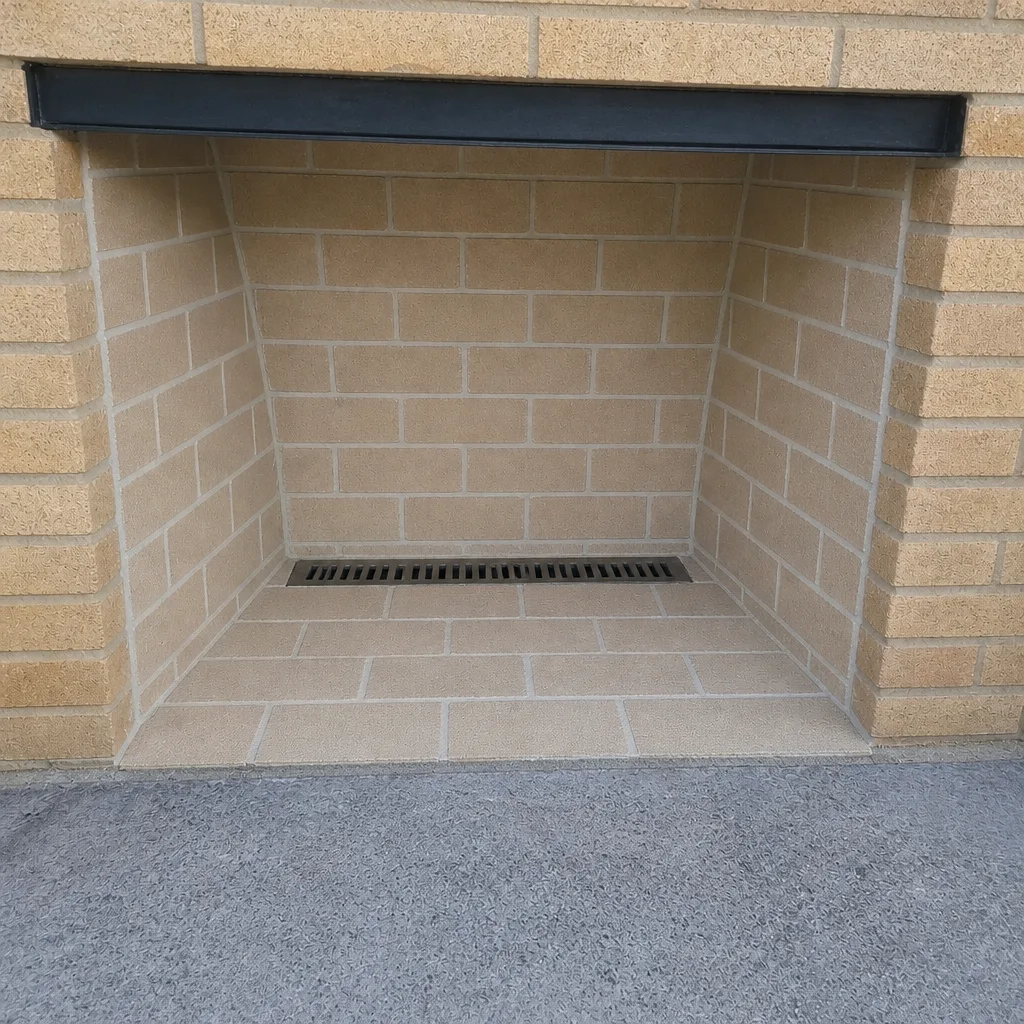
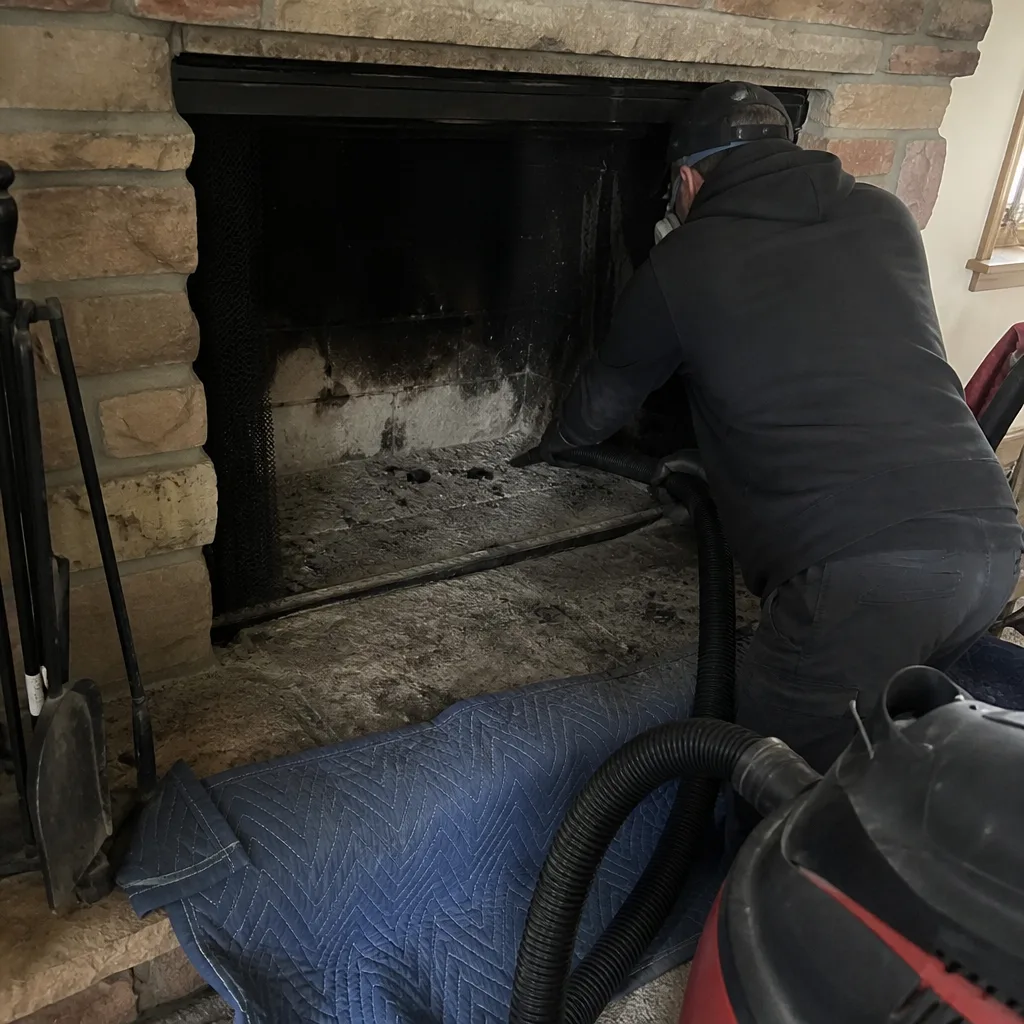
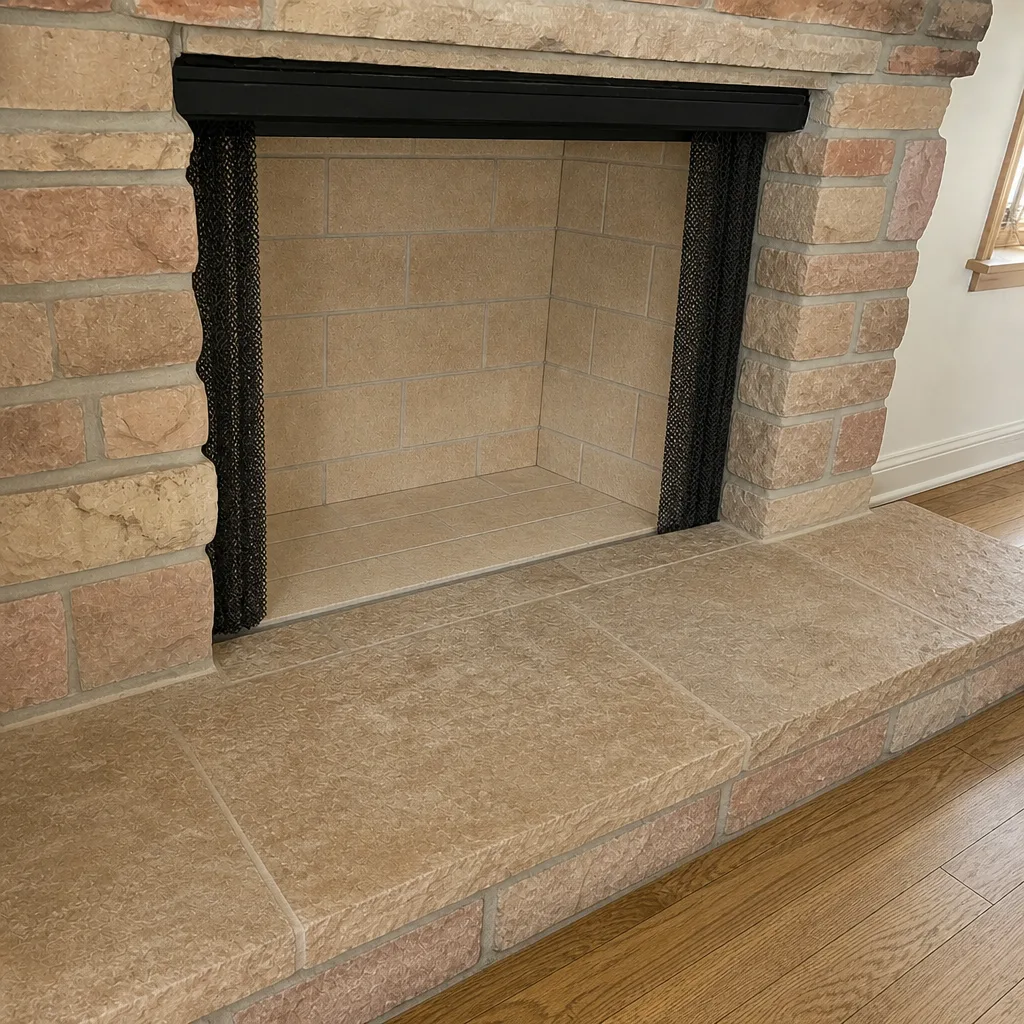
See the difference
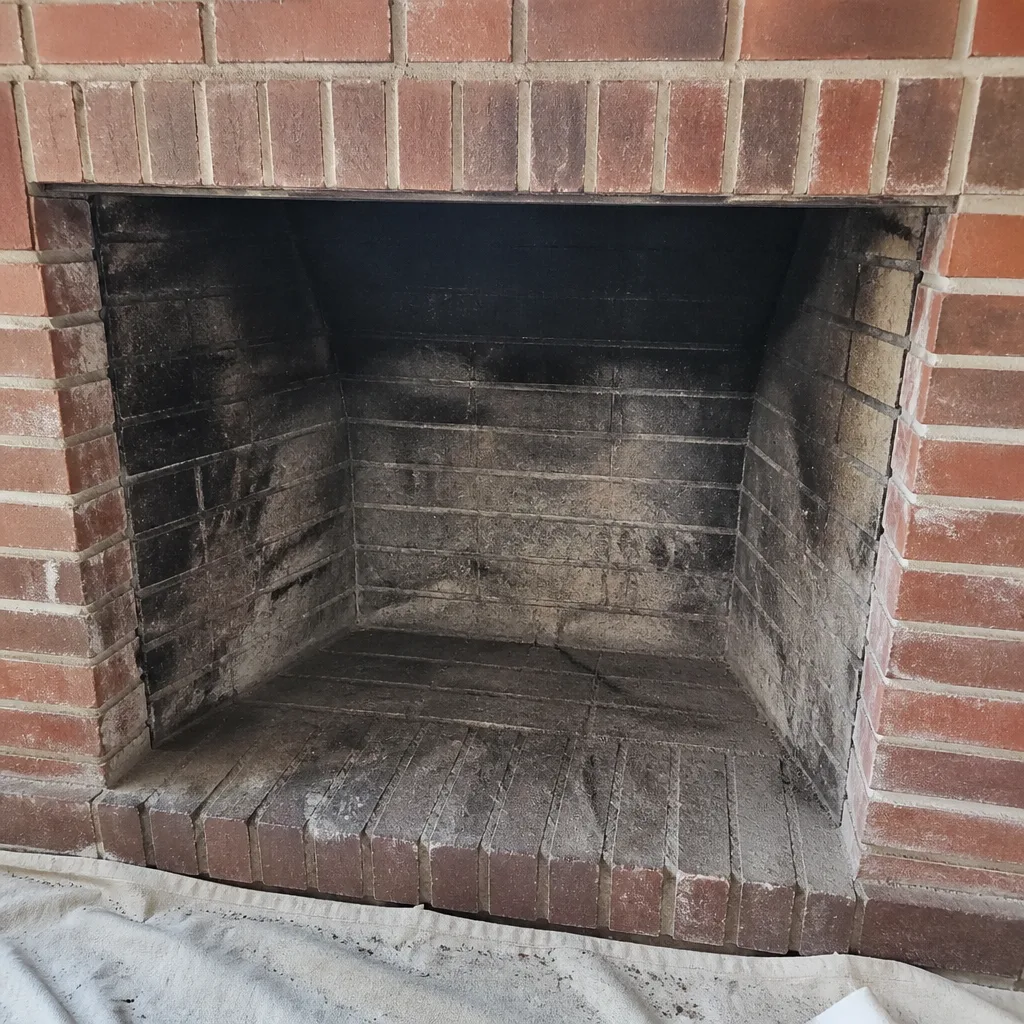 Before
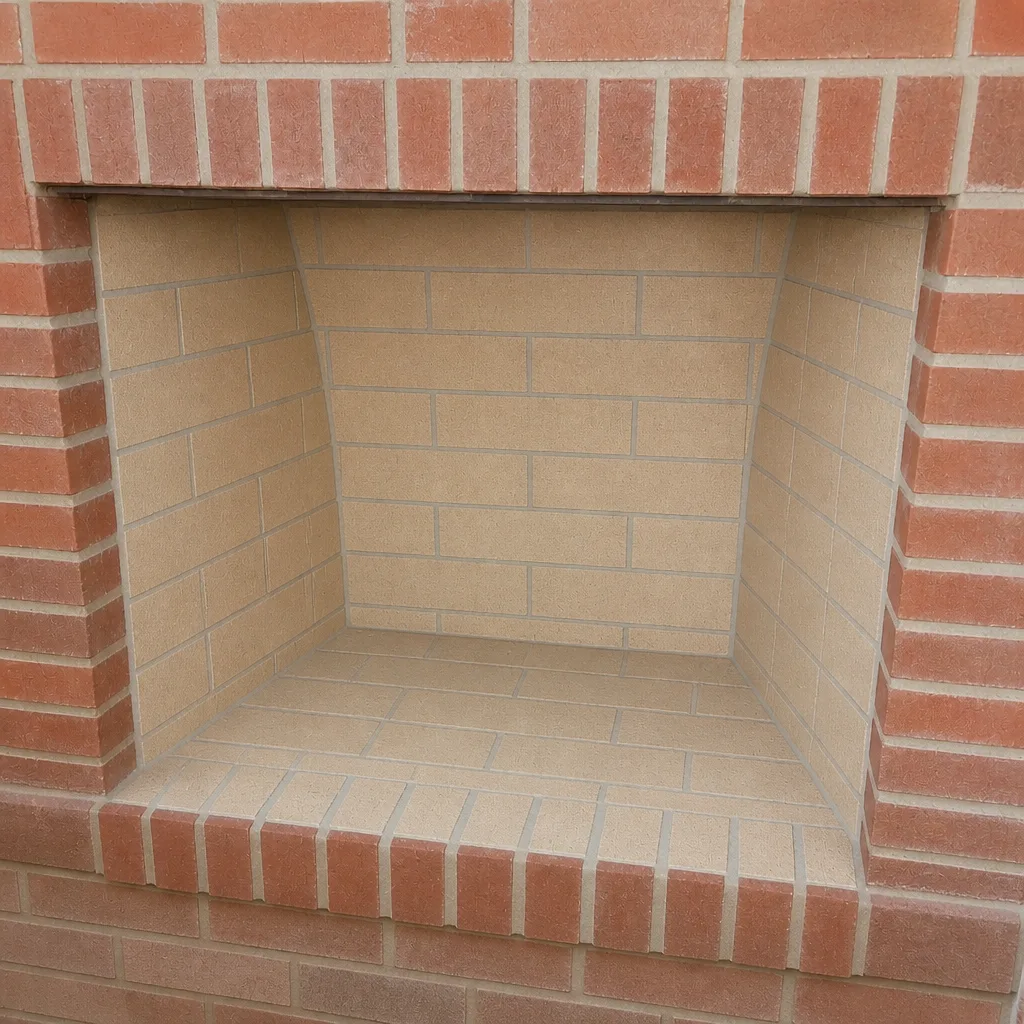 After
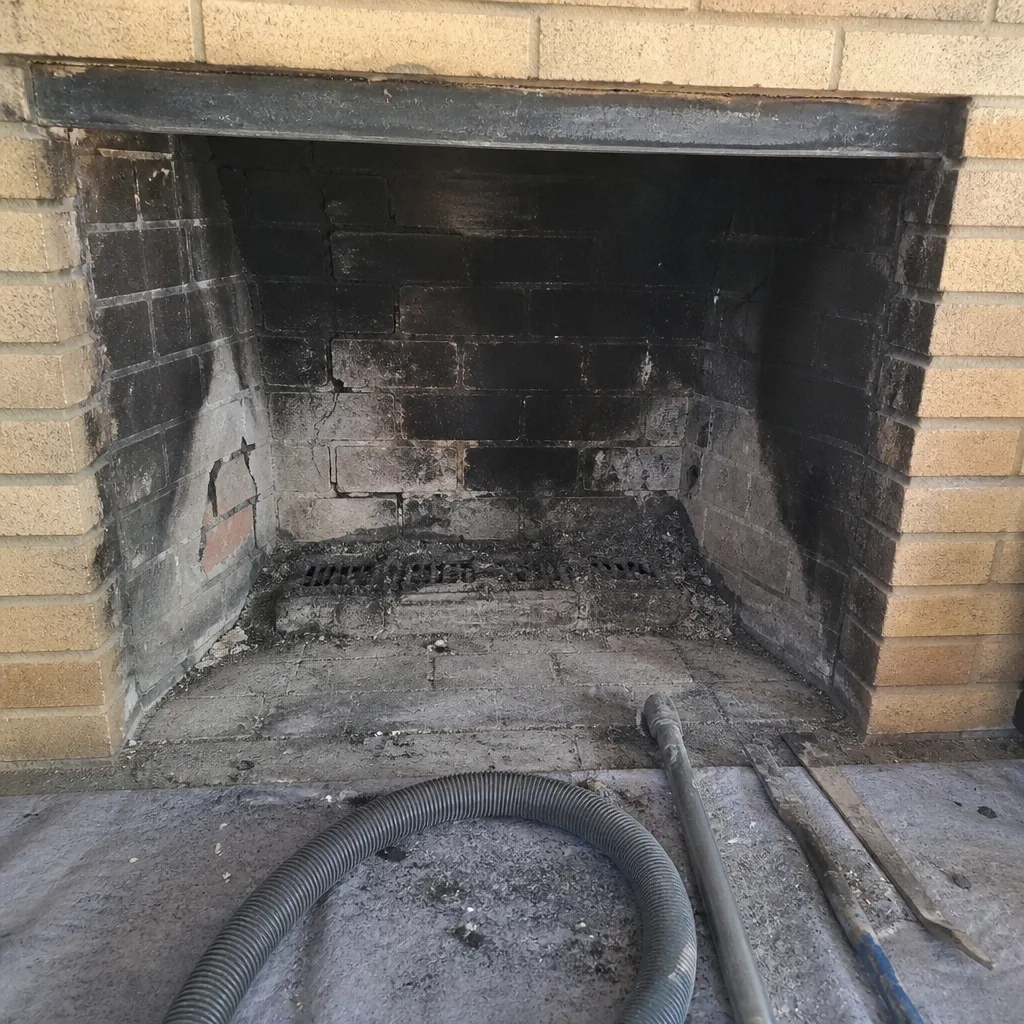 Before
 After
 Before
 After
When to Call a Professional
Call a professional when the question is bigger than “does it need cleaning.” That includes: a recommendation for a liner or crown repair with no photos; a home purchase or sale where a Level 2 inspection is required; a gas insert installation or fuel-type change; evidence of prior unpermitted work; any sign of moisture inside the flue or staining on the chimney exterior; or a chimney that drafts poorly or back-puffs when you burn. High-tension springs and structural masonry are never a do-it-yourself job, and neither is a flue that needs relining. Chimney Sweep Northglenn offers free estimates in Northglenn. Call (866) 616-5448. We answer 24/7. Fast dispatch from 7am to 7pm, Sunday through Friday. We’re closed Saturdays.
Frequently Asked Questions
No. Routine chimney cleaning in Northglenn is maintenance and does not require a permit. A permit usually becomes necessary when the work changes the chimney system itself, including liner replacement, crown reconstruction, flue resizing, or installing or replacing an appliance. When in doubt, describe the job to the city’s building department and get the answer before you book. Call (866) 616-5448 for an exact quote on the cleaning itself. Estimates are free.
Yes, in most cases. NFPA 211 requires a Level 2 inspection on a property transfer, and Colorado’s adopted fire code relies on that standard. The inspection covers concealed areas and includes video scanning of the flue. Buyers generally expect this report during a real estate transaction, and a clean one removes friction from a closing. Call (866) 616-5448 to schedule an inspection.
The work isn’t automatically wrong, but it is undocumented, which is what slows a sale. The fix is to get a fresh Level 2 inspection with video, ask the city whether a retroactive permit is possible, and document whatever exists. A pre-closing buyer who sees a current inspection report on a clean chimney is far less concerned than one who sees unpermitted work with no record. Call (866) 616-5448 and we’ll walk through the options.
Yes. A gas insert installation changes the appliance and the venting, and it typically triggers a permit plus a gas line inspection by a licensed professional. A wood-burning chimney repair may or may not require a permit depending on scope. The distinction catches homeowners off guard because both feel like “chimney work,” but the code pathways are different. Call (866) 616-5448 for a scoped estimate and a plain answer on permits.
The city inspector controls code compliance and permit sign-off. A certified chimney technician controls whether the system is safe and functional in operation. Both signatures sometimes matter, especially at resale or after a liner upgrade that changes clearances. When the two disagree, the city controls the permit and the technician controls the safety call. Call (866) 616-5448 if you need both.
A qualified sweep or technician should show you the camera evidence and explain what it means, but a recommendation without photos is a guess you can’t verify. A cracked flue tile can sometimes be resurfaced with a HeatShield application rather than fully relined, which is worth asking about before accepting a replacement quote. Nothing should be recommended to you without video you can see for yourself. Call (866) 616-5448 for a free estimate and an honest scope.
The Bottom Line
Most chimney cleaning in Northglenn needs no permit, but the surrounding work often does, and that distinction is where homeowners get stuck. Routine sweeps and Level 1 inspections fall under maintenance. Liner replacement, crown work, flue changes and appliance swaps usually require a permit and a city inspection. NFPA 211 sets the inspection levels, and Colorado’s adopted fire code makes a Level 2 inspection a legal requirement on many property transfers. Gas inserts follow a different code path than wood-burning repairs. When in doubt, call the city’s building department and get the answer in writing, keep the inspection report and product documentation, and treat unpermitted prior work as a documentation problem you can fix rather than a hazard you can’t. For a free estimate on any of this, call (866) 616-5448.
Written by the team at Chimney Sweep Northglenn.