
Last updated November 24, 2026
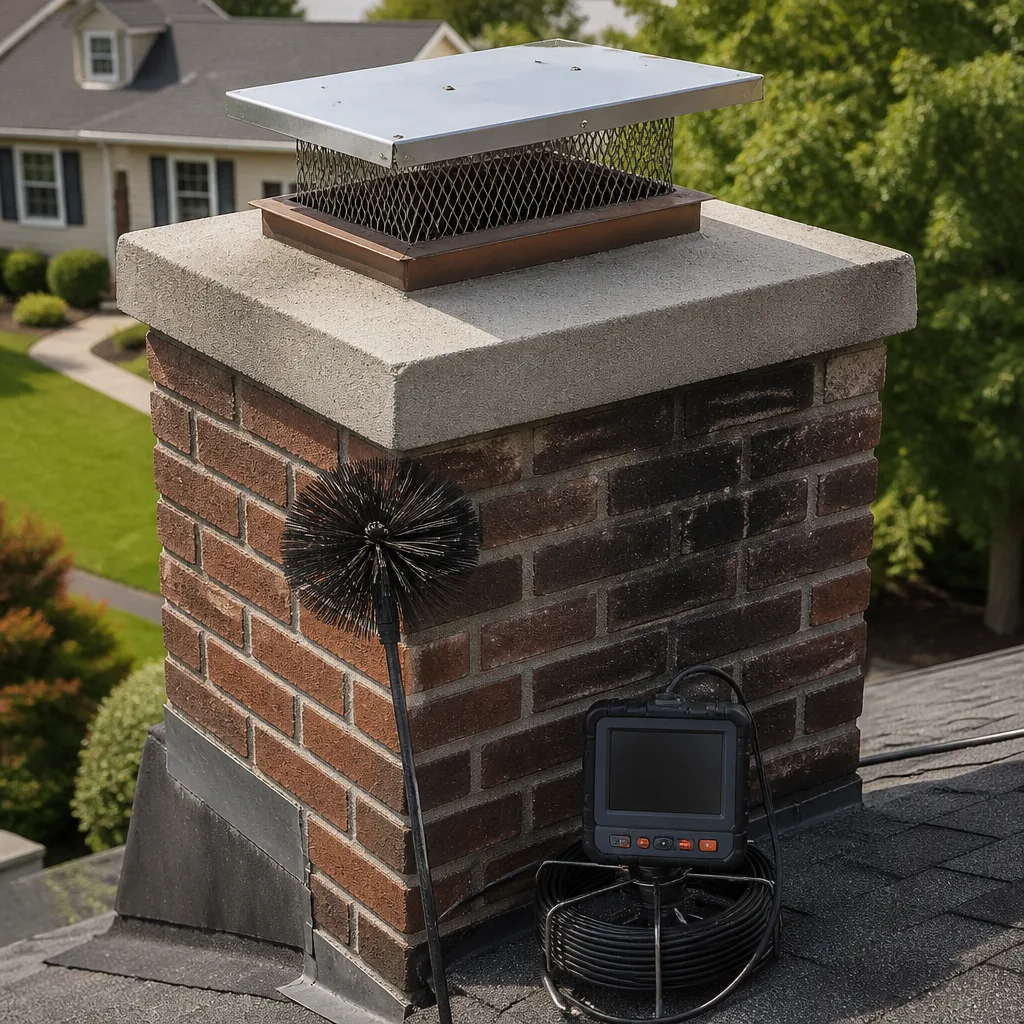 Sweep & inspection
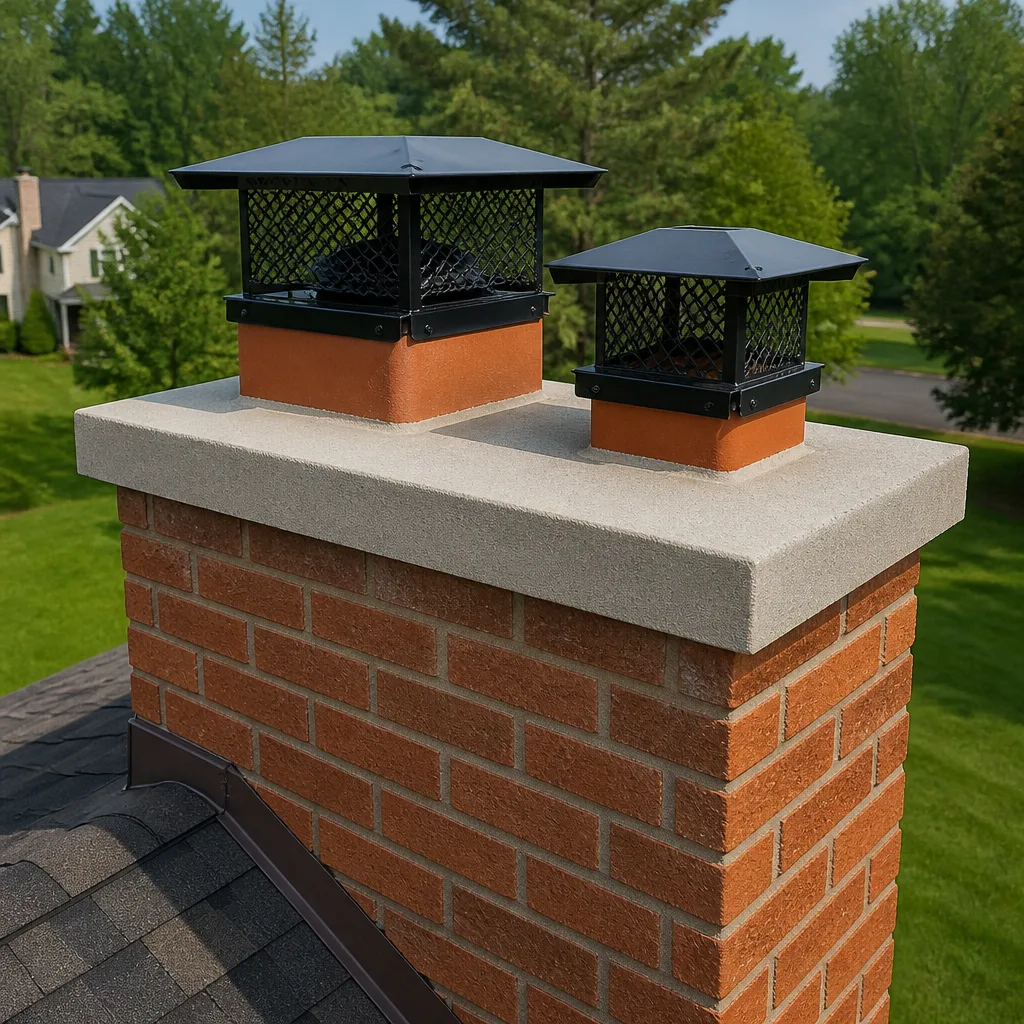 Caps & crowns
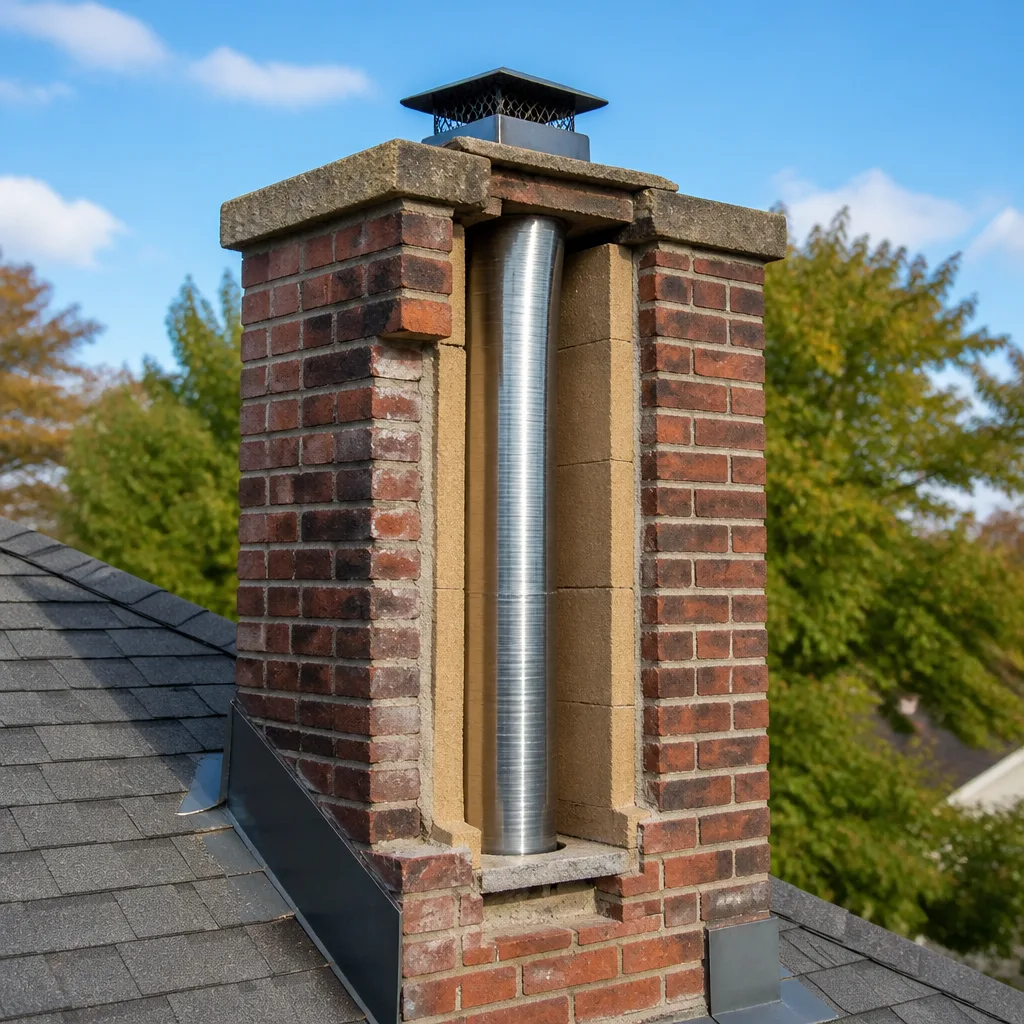 Flue relining
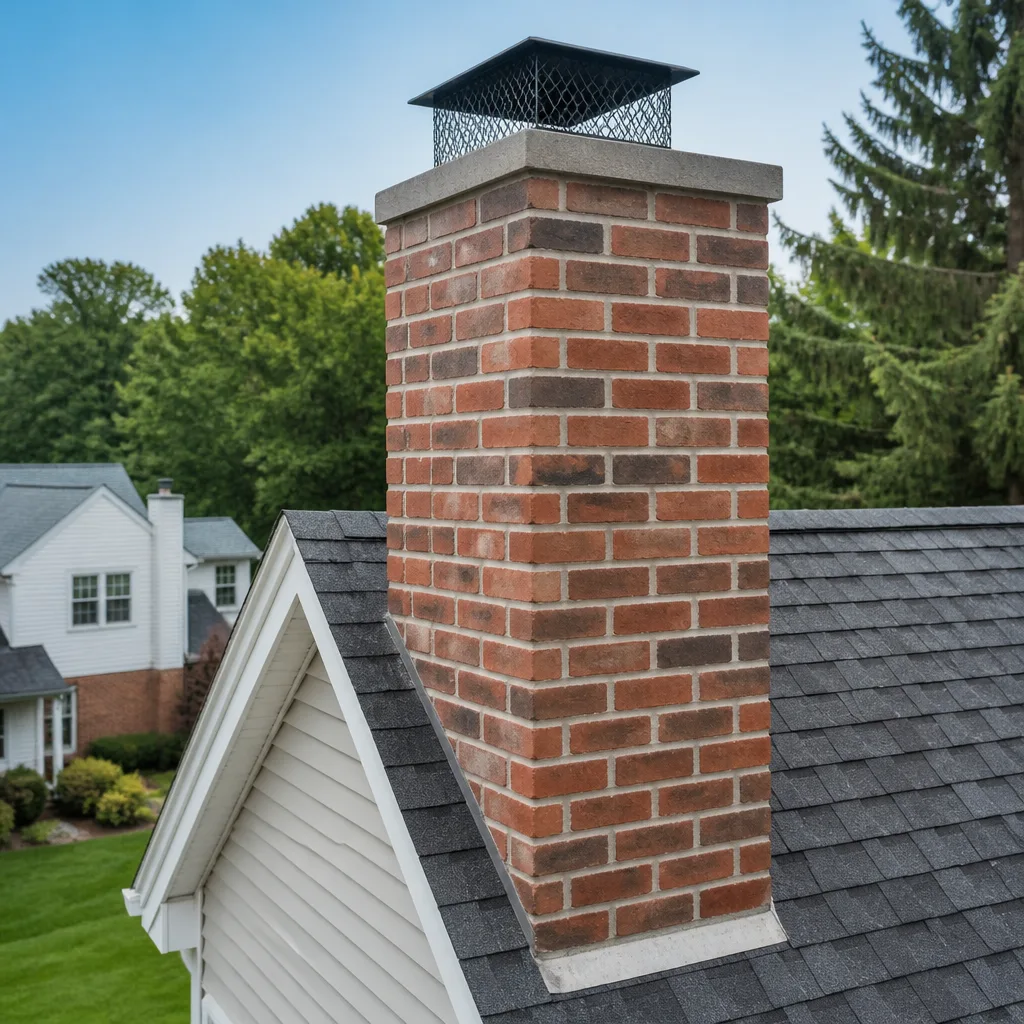 Masonry repair
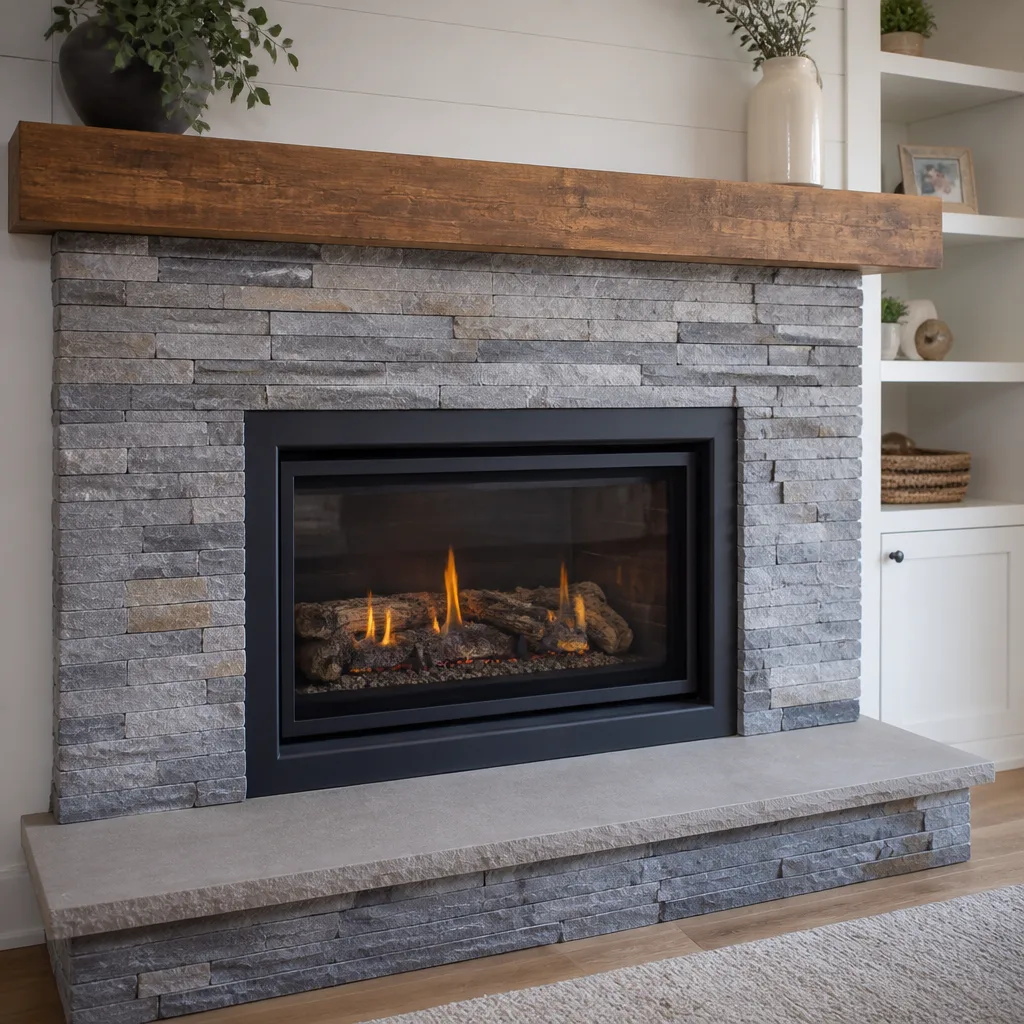 Gas fireplace service
Level 1 sweep and inspection to the NFPA 211 annual standard - flue, crown, cap, and flashing checked and photographed
Chimney sweep logs do not sweep chimneys. They loosen some creosote - which then falls where a brush and vacuum still have to collect it.
Chimney Cleaning Warning Signs: A Northglenn Homeowner’s Reference Guide
Most chimney problems announce themselves long before anyone climbs onto the roof. They show up as a smell in a closed-up house, a stain on the firebox brick, a puff of smoke that rolls back into the room at the wrong moment. The trouble is that homeowners in Northglenn usually can’t tell which signals are cosmetic and which mean “stop using the fireplace.” A sweet campfire smell in July points to a different failure than a sulfur sting, and smoke that rolls into the room on startup means something different again than smoke that spills mid-burn. This guide walks you through what each signal actually indicates, so when you pick up the phone you can describe the real problem instead of saying “something seems off with my fireplace.”
Quick Answer
Chimney cleaning warning signs fall into two groups. Signs that can wait for fall scheduling include a mild smoky smell, a light dusting of soot, or a small chip on the exterior cap. Signs that mean take the fireplace out of service immediately include a sulfur or gas smell, smoke that rolls into the room during a burn, rust staining on the damper, or a strong creosote odor in a closed house during summer. A professional sweep and inspection in Northglenn tells you which group you’re in, and a camera photo report lets you see the evidence yourself before anyone recommends repair work.
Styles & brands we work with
- Sweep & inspection
- Caps & crowns
- Flue relining
- Masonry repair
- Gas fireplace service
Table of Contents
- Why Your Chimney’s Smell Tells You More Than Any Visual Check
- Reading the Firebox: What White, Rust, and Black Actually Mean
- Smoke Rollback: Startup Spill vs. Mid-Burn Spill
- Exterior Warning Signs You Can See From the Ground
- Negative Pressure in Modern Northglenn Homes
- Northglenn’s Burn Season and Simple Chimney Rhythms
- Wait Until Fall or Stop Using It Today?
Why Your Chimney’s Smell Tells You More Than Any Visual Check
If you can smell your fireplace when it isn’t running, that’s your first warning sign, and it comes with a scent that points to a specific cause. A closed house in July with a strong campfire smell in the living room is not a fireplace quirk. It usually means the damper isn’t sealing, or the house is running under negative pressure and pulling combustion gases back down the flue. Either way, the smell isn’t the problem. It’s the messenger.
Three smells matter, and each belongs to a different failure:
- Sweet, smoky, campfire-like (creosote): You’ll smell this most in warm months when the house is closed up. Creosote is the dark, oily residue left on the flue walls after wood burns. A faint smell after a cold-weather burn is normal. A strong smell that stays for days means creosote has built up to a level where it should be swept before the next burn season.
- Sulfur, rotten egg, or acrid gas: This is the one that needs same-day action. It usually points to a blocked flue, a broken damper that won’t open, or exhaust spilling backward due to a pressure reversal. Stop using the fireplace, open windows, and get someone on the phone.
- Damp, earthy, or old-basement smell: Moisture is getting in somewhere. In Northglenn, where the spring thaw sends meltwater into masonry, that usually means a failed crown, a missing cap, or failing flashing at the roofline. Water damage is the largest driver of long-term chimney deterioration, and it starts with a smell long before a crack shows.
Carbon monoxide is a fourth concern, and it has no reliable smell. If you have a wood-burning fireplace and no working CO alarm on the same floor, that’s worth fixing regardless of what kind of chimney signs you’re seeing.
Reading the Firebox: What White, Rust, and Black Actually Mean
The firebox is the part of your chimney system you can inspect without a ladder. Three visible signs tell you the most, and each one points to a different underlying issue. In our experience across Northglenn homes, these three are the ones most often misread as cosmetic.
White efflorescence on the firebox brick
Those chalky white streaks and patches on brick surfaces aren’t mold, and they aren’t salts from the fire itself. Efflorescence is what happens when moisture moves through masonry and leaves mineral deposits on the surface as it evaporates. When you see it inside the firebox, water is migrating into brick that should be dry. That moisture typically comes from outside, and it may indicate a crown that’s failing to drain properly, missing flashing, or a flue that’s drawing damp air through a gap in the liner system.
Efflorescence is not an emergency, but it is a warning. Left alone, the moisture cycle freezes and thaws through Colorado winters and can spall brick over time, meaning the brick face flakes off and weakens the wall structure.
Rust on the damper or firebox metal
Rust on a cast-iron damper, the damper frame, or the steel firebox components is moisture evidence, and it’s usually more concerning than efflorescence because metal rusts faster than brick weakens. A light surface haze on an older damper isn’t unusual. Rust that pits, seizes the damper, or reappears within a season after you clean it points to active water intrusion. It also means the damper may no longer seal properly, which matters for the negative-pressure issue we cover below.
Black glazing on the smoke shelf or upper firebox
The smoke shelf is a ledge just above the damper where smoke collects and turns back up the flue. When it’s coated with a shiny, tar-like black glaze, that’s advanced creosote. A little soot there is normal. A shiny glaze is worth a sweep before the next fire. If the glaze is thick enough to feel tacky when warm, you’re in the zone where a chimney fire becomes possible.
Smoke Rollback: Startup Spill vs. Mid-Burn Spill
Smoke entering the room is one of the clearest warning signs, but the timing of when it happens tells you almost everything about the cause. A fireplace that spills smoke on startup is usually a different problem than one that spills smoke halfway through a burn.
Smoke that spills on startup
That first minute after lighting a fire is when the chimney is coldest. Cold flue air is dense, and until the chimney warms, it can push smoke back into the room. A little puff on startup is often just a cold flue. Persistent startup spill over many fires points to something else:
- Cold-flue priming problem. The chimney isn’t warming fast enough. Try preheating the flue with a rolled newspaper torch held near the damper before lighting the main fire. If the problem disappears, you had a cold-flue issue, not a blockage.
- Blocked or partially blocked flue. Even a small obstruction like a bird’s nest or a fallen piece of liner at the top of the flue can flip smoke back into the room at startup.
- House sitting under negative pressure. If the house is tighter than the chimney’s ability to draw, air comes down the flue instead of up. This is common in Northglenn homes with new windows, bathroom fans running, or range hoods on at the same time as the fire.
Smoke that spills mid-burn
Smoke entering the room after the fire is burning well is not a cold-flue issue. Mid-burn rollback usually points to:
- A flue that’s too small for the firebox. Oversized fireboxes with undersized flues pull badly, especially when the fire is hot and demanding air.
- A failing flue liner. Cracks or gaps in clay tile liners let air enter the flue in the wrong place, breaking the draft.
- A chimney that’s too short for the roof pitch. A chimney that doesn’t clear the nearby roof peak by enough can get downdrafts, especially on windy evenings along the Front Range.
Mid-burn rollback deserves a professional inspection. It’s not a weather quirk, and with the HeatShield liner repair option, cracked flue tiles can often be resurfaced rather than replaced entirely.
Exterior Warning Signs You Can See From the Ground
You don’t need a ladder to catch a lot of chimney problems. Step back to your yard or the curb and look up. These are the exterior signs worth knowing:
- Missing or damaged chimney cap. The cap is the metal or masonry cover that sits on top of the flue. Without a cap, rain and snow go straight down the flue. In Northglenn, where snowmelt cycles all spring, a missing cap is one of the fastest routes to internal moisture damage. It’s also how birds, squirrels, and nesting debris get in.
- Cracked or spalling crown. The crown is the sloped concrete surface at the very top of the chimney. Small hairline cracks are common. A crack running through the crown, or concrete flaking off the edge, means water is getting into the masonry below. Crown repair is one of the highest-value fixes a chimney can get, and it’s easy to overlook because it’s above eye level.
- White efflorescence on the chimney exterior. The same chalky white staining you may have seen inside the firebox, now showing up on the outside of the brick, is moisture moving through the chimney body. It’s a reliable indicator that the crown, cap, or flashing is letting water in somewhere.
- Rust streaks on the chase or firebox exterior. Rust stains coming out of the metal chase on a manufactured fireplace indicate water intrusion, most often from failed seals at the top.
- Tilted or loose chimney. Anything more than a slight lean is a structural concern and worth an immediate inspection before you burn again.
The good news: for the exterior, a cap and crown repair closes the loop on moisture intrusion. That’s the loop that causes most long-term chimney deterioration, and it’s often cheaper to fix than the damage that follows if it goes unaddressed. We install chimney caps and crown repair using Gelco and Olympia Chimney products, the same brands used by professional chimney trades.
Negative Pressure in Modern Northglenn Homes
Northglenn has a mix of housing ages. Mid-century ranches sit alongside 1990s and 2000s subdivisions, and each brings its own chimney behavior. The newer, tighter homes run into a problem the older ones didn’t: the house is so well-sealed that a running bathroom fan, kitchen hood, or dryer can pull more air out than the house lets back in. That creates what we call negative pressure, and a chimney is one of the first systems to feel it.
A chimney under negative pressure doesn’t draw properly. The result is easy to spot once you know what to look for:
- Smoke rolling back into the room even with a hot fire.
- The smell of a fireplace when it isn’t in use.
- A damper that seems fine but the fire still won’t pull.
If you live in or near Northglenn and you’ve noticed the fireplace pulling worse after you replaced windows or tightened up the house, pressure is a strong suspect. A professional inspection tests for it and can recommend either a flue modification or an air-supply fix. HeatShield and DuraFlex liner systems are often part of the solution when the flue itself is part of the draft problem.
Northglenn’s Burn Season and Simple Chimney Rhythms
Northglenn sits at the edge of the Front Range, where winter burn seasons often start in late October and run through March, and the freeze-thaw cycles from February through April hit masonry harder than most homeowners realize. That cycle pushes residential chimneys through more seasonal stress than the dry summer months do.
The practical rhythm for a Northglenn homeowner looks like this:
- End of burn season (roughly March through May): Sweep out the creosote while it’s still relatively dry and easy to remove, and inspect for winter damage before the spring thaw tests your crown and flashing.
- Mid-summer (June through August): Catch smells and moisture signs early. A smoky smell in a closed house during the hot months is worth a call now rather than in October.
- Before burn season (September and October): Get the annual sweep and inspection in before the first fire. This is when scheduling fills, so an earlier call is easier on you than a scramble in late October.
- During burn season: Watch for pressure symptoms, smoke rollback, and new smells. Note anything unusual so you can describe it accurately when you call.
Annual chimney cleaning is the default recommendation from every chimney trade organization. What changes by region is when in the year the sweep matters most. In Northglenn, that’s just before burn season and again after.
If your fireplace or chimney has structural damage, our chimney repair service handles crown work, flashing, cap replacement, and rebuilds in one visit.
Wait Until Fall or Stop Using It Today?
One of the hardest parts of reading a chimney problem is knowing when it can wait and when it can’t. Here’s the simplest decision rule we can give you.
Stop using the fireplace now if you see any of these:
- Smoke spilling into the room mid-burn (not on startup).
- A sulfur, gas, or acrid smell that wasn’t there before.
- A strong creosote smell that stays for a full day in a closed house.
- Visible cracking in the firebox brick that lets you see the structure behind it.
- A CO alarm going off near the fireplace, at any point.
- Brick pieces on the firebox floor after a burn.
Each of these means combustion gases have a possible path into living space, or the firebox is losing integrity. That’s not a “get to it in October” situation.
Wait for fall scheduling if you see:
- A mild smoky smell after a burn that fades in a day or two.
- A small hairline crack in the crown you can see from grade.
- Minor efflorescence on exterior brick, with no interior signs.
- A light soot buildup on the firebox walls.
- A damper that sticks a little but still opens and closes fully.
These signs are real and worth fixing, but nothing about them requires you to abandon the fireplace before the next scheduled service. A chip or small crack on the crown is a moisture concern, not a safety emergency. Call and book it in.
Common Mistakes to Avoid
- Assuming a smell is “just how a fireplace is.” A fireplace shouldn’t have an odor when it isn’t running. If it does, that’s your first signal, and it’s usually a damper seal or pressure issue in Northglenn homes.
- Ignoring the crown because you can’t see it. The crown is the top surface of the chimney, out of sight from most yards. It’s also the single biggest cause of slow moisture damage. Have it inspected, not just looked at.
- Painting over efflorescence. A fresh coat of masonry paint may look like a fix, but the moisture is still moving through. It will surface again, often worse, and masking it delays the real repair.
- Burning green or unseasoned wood to “save a little.” Green wood leaves more creosote on the flue walls than seasoned wood. In Front Range burn seasons, that buildup is what turns into trouble.
- Calling a sweep-only company and then being told to find a repair contractor separately. If your problem is structural only a sweep can spot, you want the same company to handle the repair. That’s why we fold sweeping, inspection, and repair into one line of work.
- Treating a summer smoky smell as a fluke. In July, a fireplace smell is a clear signal that a damper seal has failed or the house is under negative pressure. Both are worth addressing before burn season.
- Skipping the pre-closing inspection on a home purchase. A Northglenn home buyer who skips a chimney inspection during real estate closing may inherit an expensive liner issue. A proper inspection with photos protects both sides of the sale.
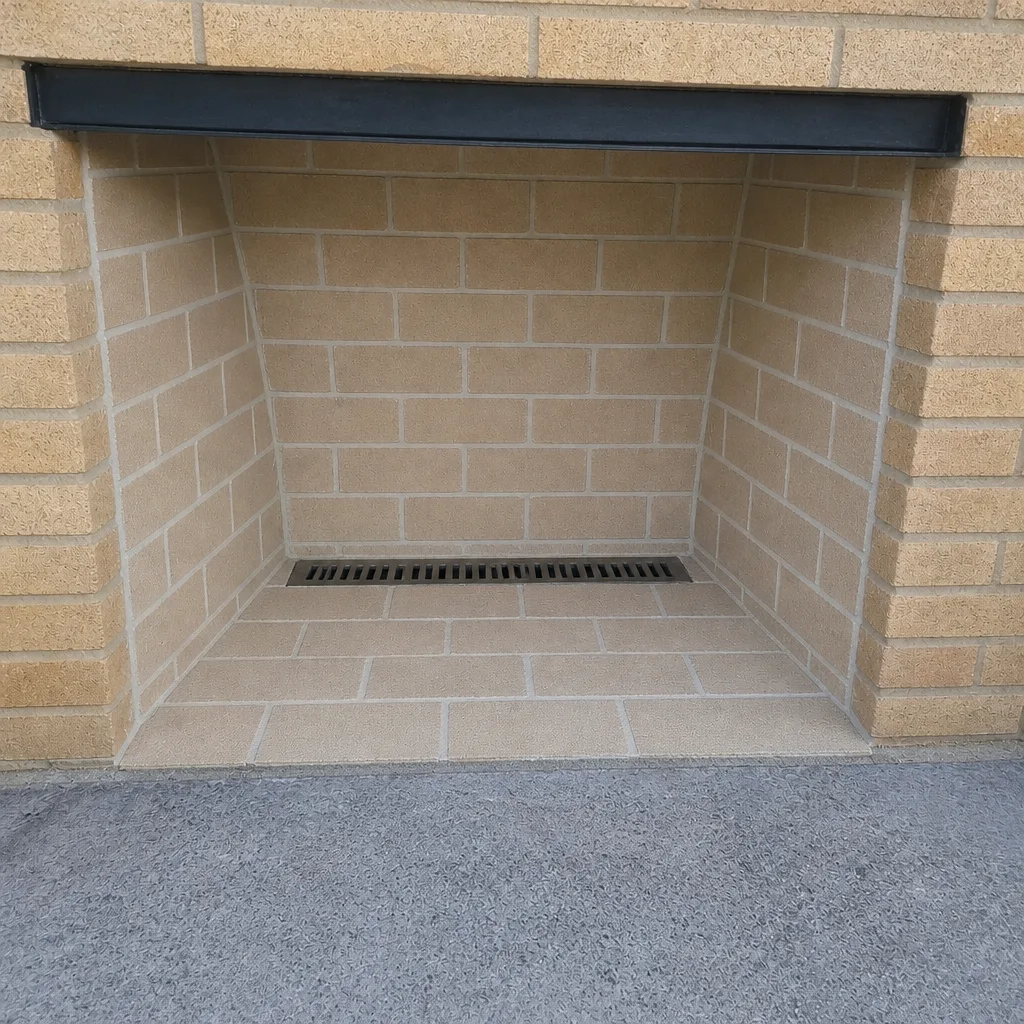
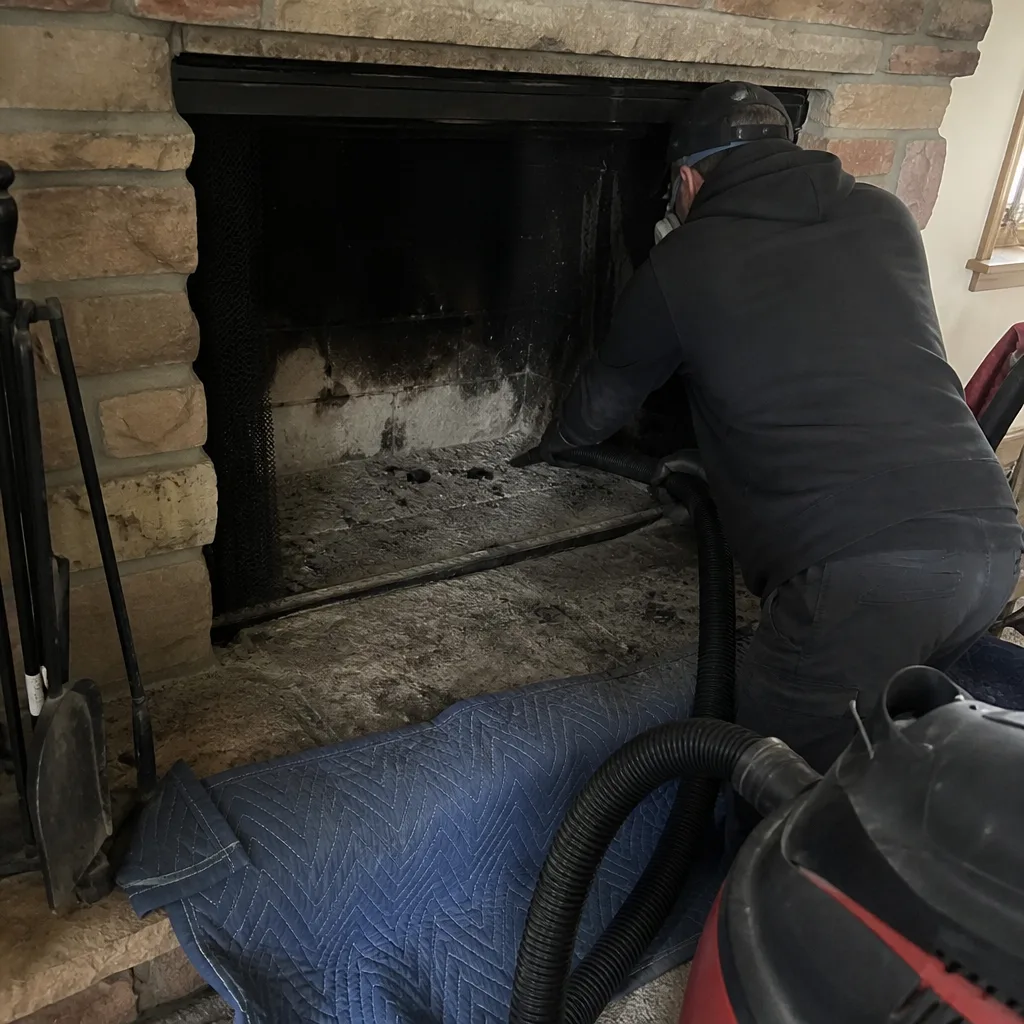
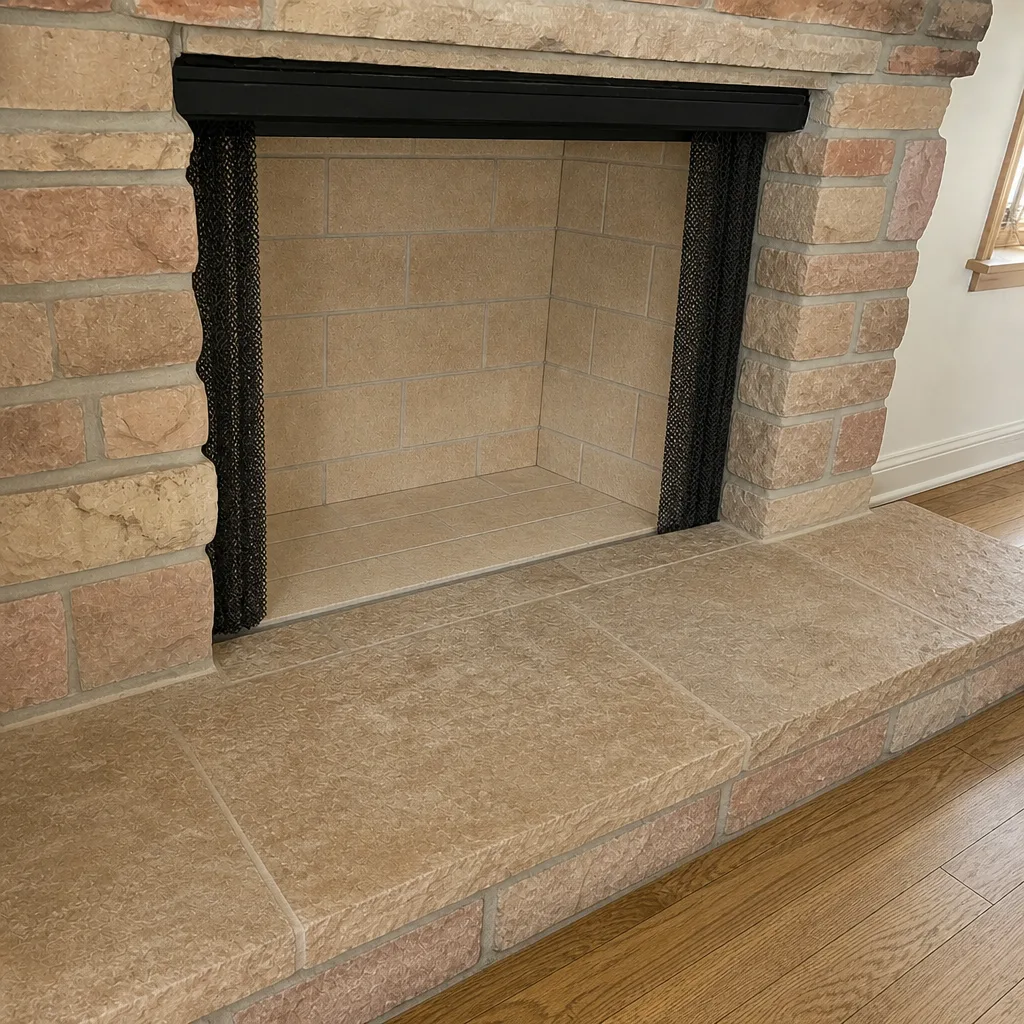
See the difference
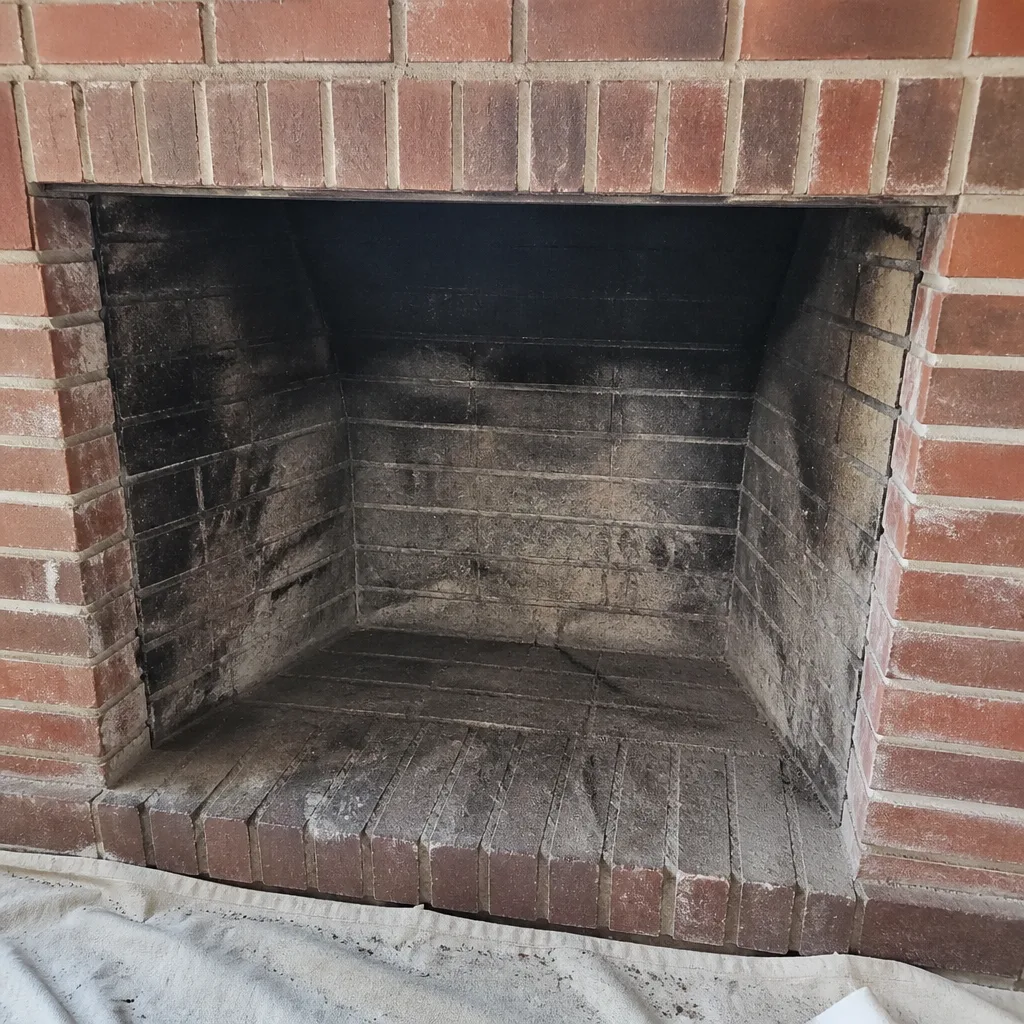 Before
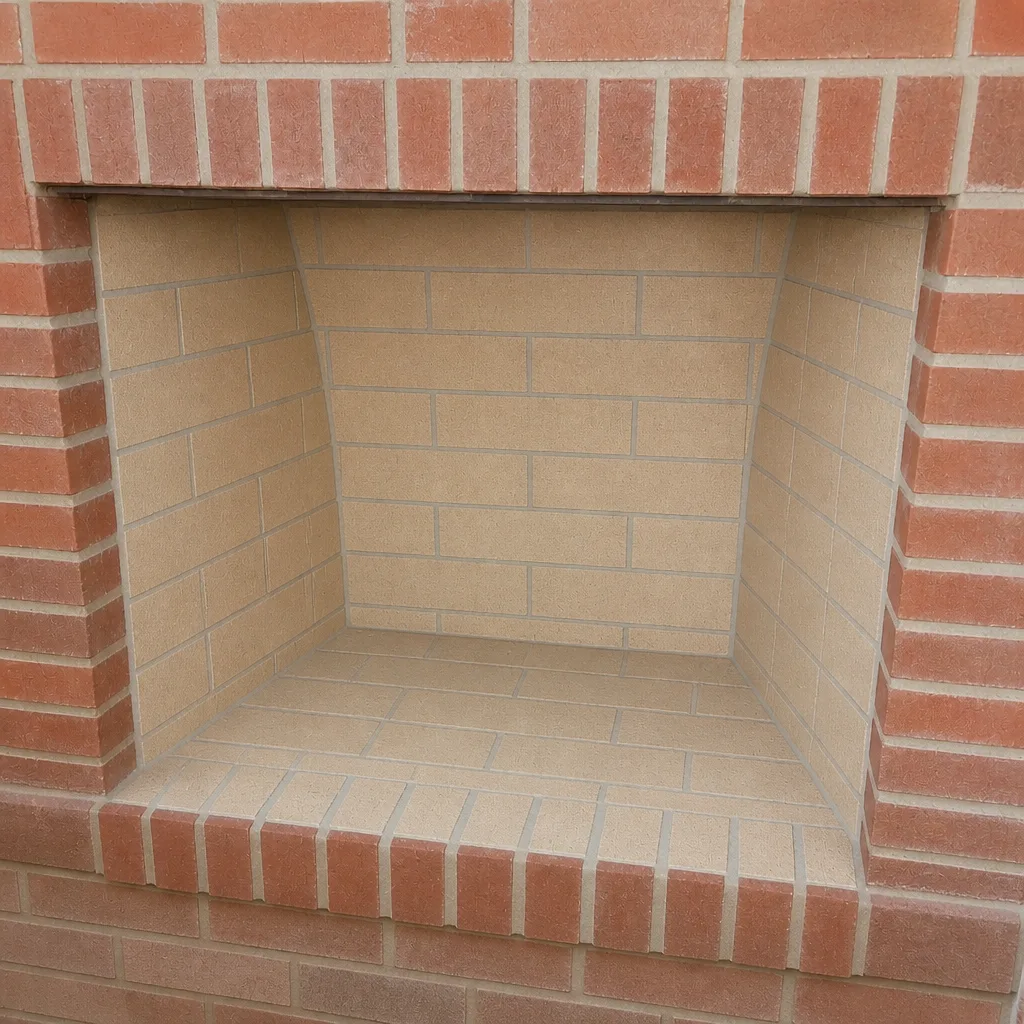 After
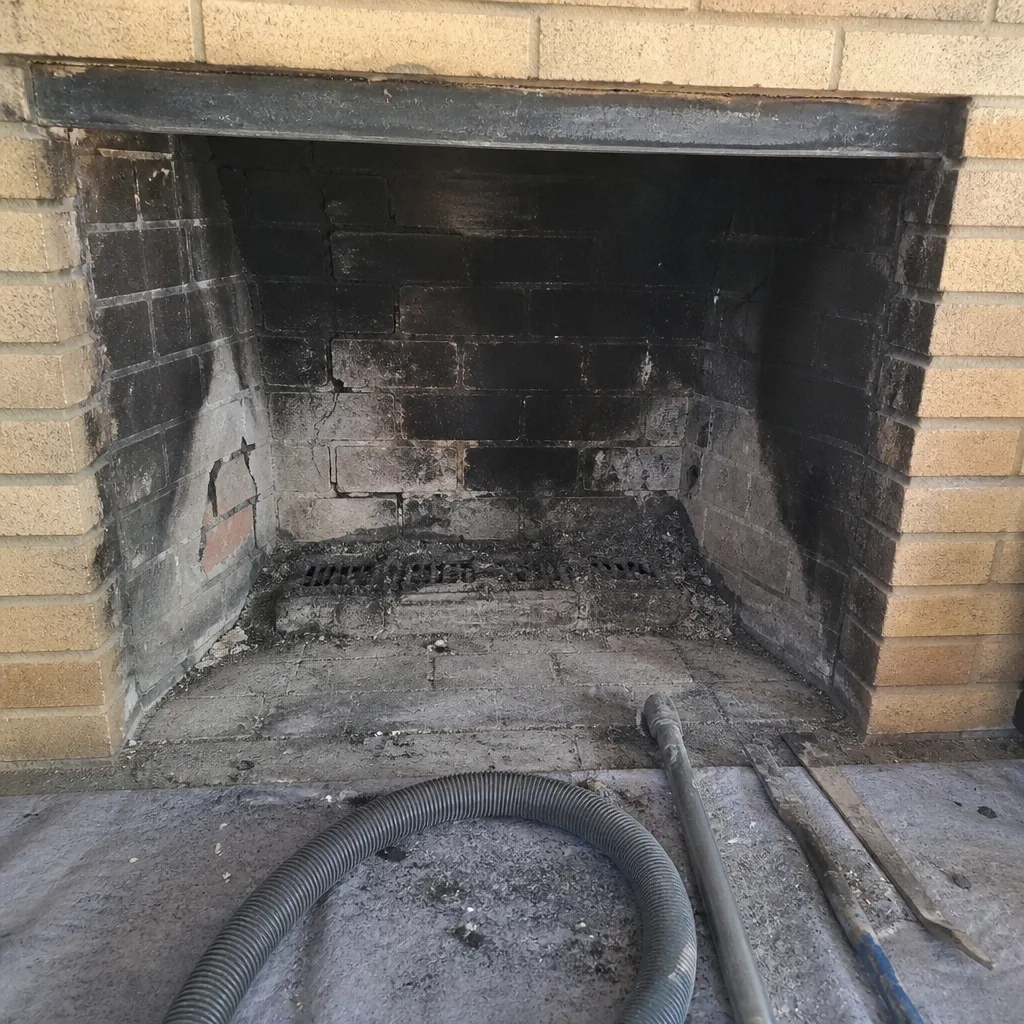 Before
 After
 Before
 After
When to Call a Professional
Call us when you notice any of the following: mid-burn smoke rollback, a sulfur or gas smell, a strong creosote smell in a closed house, visible cracking in the firebox, a missing cap or damaged crown, a damper that no longer seals, or after any strange sound or smell during a burn. Also call us for annual sweeps, pre-closing real estate inspections, and post-repair verification after another contractor has done work. A licensed local professional inspects with a camera and includes a photo report, so you can see what they see. Nothing gets recommended without camera evidence you can look at yourself.
Chimney Sweep Northglenn offers free estimates in Northglenn. Call (866) 616-5448. We answer 24/7. Fast dispatch from 7am to 7pm, Sunday through Friday.
For routine cleaning around the burn season, our chimney sweep page covers scheduling, pricing ranges, and what to expect on visit day. For interior firebox work, our fireplace repair team handles everything from damper replacement to firebox rebuilds. Or start at the Chimney Sweep Northglenn homepage if you’re new to the company and want to see all five services in one place.
Frequently Asked Questions
A campfire smell in a closed house in summer usually means the damper isn’t sealing properly or the house is under negative pressure that pulls combustion residue down the flue. It’s a warning sign that the system isn’t closed off when the fireplace isn’t in use. Call (866) 616-5448 for an exact quote on an inspection – estimates are free.
Northglenn chimney sweeps typically run from $150 to $300 depending on the flue configuration, soot and creosote level, and whether an inspection is included. The written estimate sets the final price, and the estimate itself is free. Call (866) 616-5448 for an exact quote in Northglenn.
Skipping a season is occasionally reasonable, but only after an inspection confirms the flue is clean. A fireplace that looks fine from the firebox can still carry enough creosote to matter after a busy winter. When in doubt, a sweep is cheaper than a fire. Call (866) 616-5448 for a Northglenn inspector to check it.
Cracked flue tiles often can be repaired with a resurfacing system rather than replaced entirely, which is the reason HeatShield exists. A full liner replacement is the right call when the tile structure is too far gone for resurfacing. The camera inspection tells you which is which. Call (866) 616-5448 and ask for the photo report.
Skipped sweeps allow creosote to build up on the flue walls, which increases the fire risk in the flue itself. They also let early signs of moisture damage and pressure problems go unnoticed until repair costs climb. Call (866) 616-5448 if it’s been more than a year.
No. After any chimney fire, the fireplace should stay out of service until a certified inspection confirms the flue, damper, and firebox are sound. Chimney fires can damage the liner without visible signs from the firebox. Call (866) 616-5448 for a post-fire inspection in Northglenn.
The Bottom Line
Most chimney problems give you weeks or months of warning before they become urgent. A smoky smell, a little white staining on the brick, a puff of smoke at startup, a mild rust hint on the damper – these signs tell you what’s happening inside the system long before a ladder is involved. Read them carefully. Distinguish the sweet creosote smell from the sulfur sting, the startup spill from the mid-burn spill, the cosmetic stain from the failing crown. Then call a specialist who can inspect, sweep, and repair in one place. Our technicians have up to 8 years of experience, and we install with professional-grade brands including HeatShield, Gelco, and Olympia Chimney. If anything you’ve read here matches what you’re seeing, call (866) 616-5448 for a free estimate. We answer 24/7. Fast dispatch from 7am to 7pm, Sunday through Friday.
Written by the team at Chimney Sweep Northglenn.